

Products
Vacuum Pumps
Belt Driven PumpsDuoSeal 1374DuoSeal 1376 DuoSeal 1376B-46DuoSeal 1380DuoSeal 1397 DuoSeal 1397B-46DuoSeal 1399DuoSeal 1400DuoSeal 1402DuoSeal 1402B-46 DuoSeal 1405DuoSeal 1400W-01DuoSeal 1402W-01DuoSeal 1405W-01ChemStar 1400N-90ChemStar 1402N-90ChemStar 1376NChemStar 1400NChemStar 1402NCapture CRRBelt Kit 1397ABelt Kit 1399ABelt Kit 1400ABelt Kit 1405AMajor Repair Kit 1373K-06Major Repair Kit 1376K-06Major Repair Kit 1376K-10Major Repair Kit 1380K-04Major Repair Kit 1397K-08Major Repair Kit 1399K-04Major Repair Kit 1400K-04Major Repair Kit 1400K-10Major Repair Kit 1402K-06Major Repair Kit 1402K-10Major Repair Kit 1402K-47Minor Repair Kit 1373K-05Minor Repair Kit 1376K-05Minor Repair Kit 1376K-09Minor Repair Kit 1376K-46Minor Repair Kit 1397K-07Minor Repair Kit 1380K-03Minor Repair Kit 1399K-03Minor Repair Kit 1400K-03Minor Repair Kit 1400K-09Minor Repair Kit 1402K-05Minor Repair Kit 1402K-09Minor Repair Kit 1402K-46Seal Kit 1401EDuoSeal Oil
Peristaltic Pumps
Vacuum Gauges and Controllers
Vacuum Pump Oils
Applications
Mass Spectrometry
Botanicals Processing
HVAC Pumps
Vacuum Leak Detection: Methods, Tools & Tips
Rotary Evaporator
Vacuum Concentrator
Vacuum Manifold
Freeze Dryer
Vacuum Oven
Vacuum Filtration
Vacuum Distillation
Aspiration (Cell Culture)
Glove Box
Gel Dryer
Vacuum Measurement & Control
Pick & Place
Vacuum Workhholding
Degassing / Dessicator
Service
Maintenance Kits
FAQ
About Us
News
Careers
History
Our Values
Downloads
Knowledge Base
Discover & Learn
Install & Setup
Operate & Maintain

What is Laboratory Vacuum?

Laboratory vacuum refers to pressure below atmospheric pressure, with its usefulness determined by two main factors: the depth of vacuum, indicating how far below atmospheric pressure, and the pumping speed, which determines the rate at which air, vapors, or gases can be removed from the evacuated vessel.

Achieving and maintaining the required vacuum conditions is made possible through laboratory vacuum pumps.

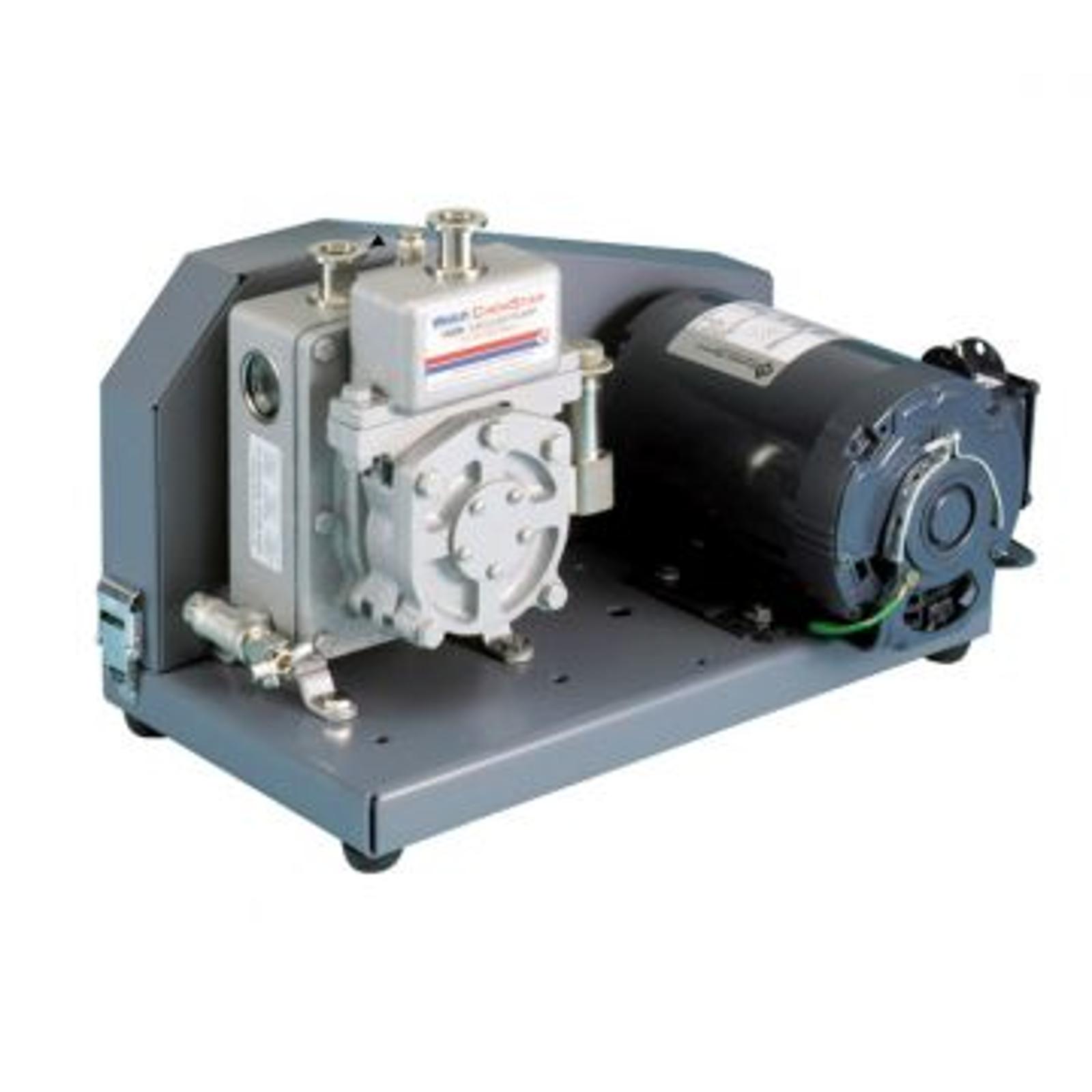
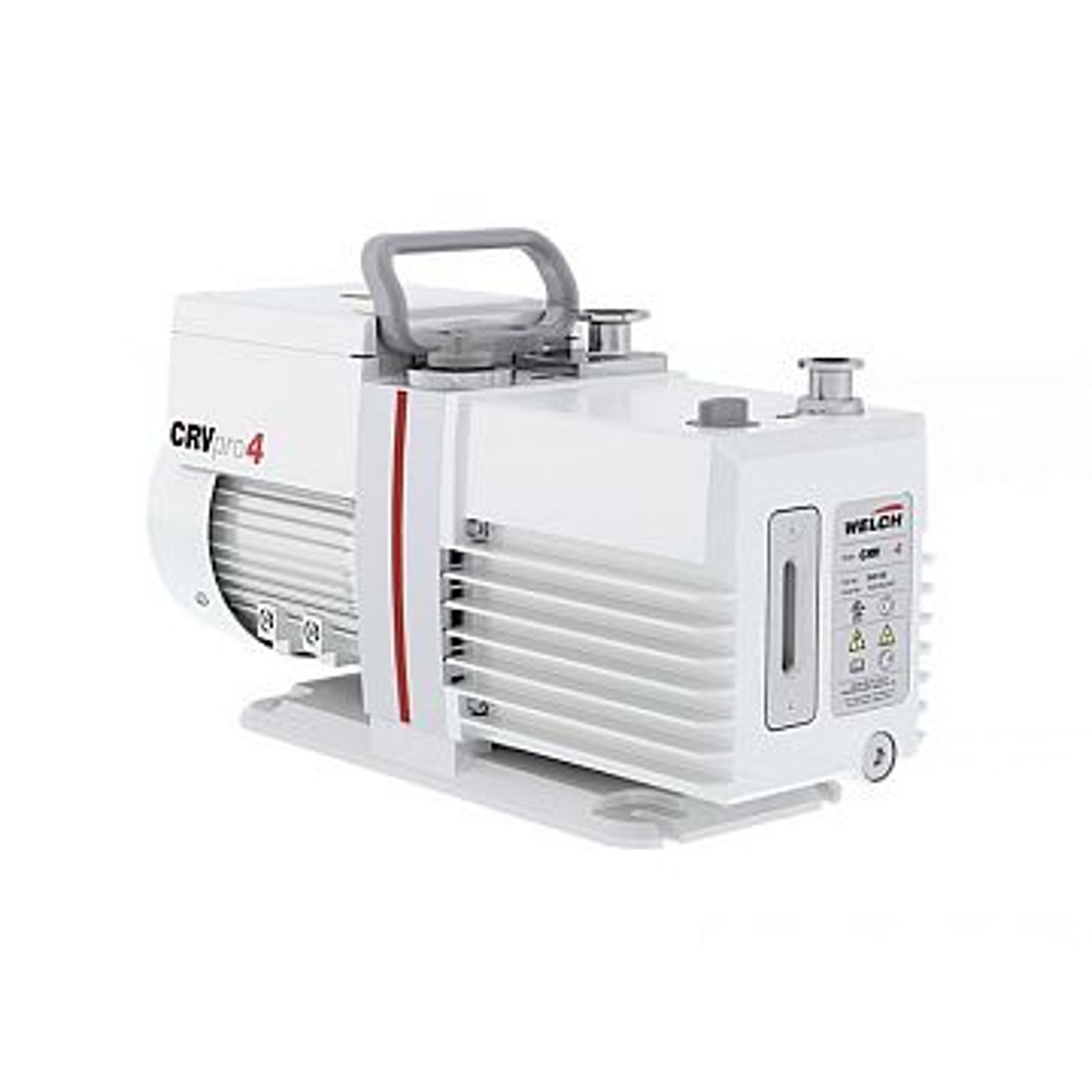
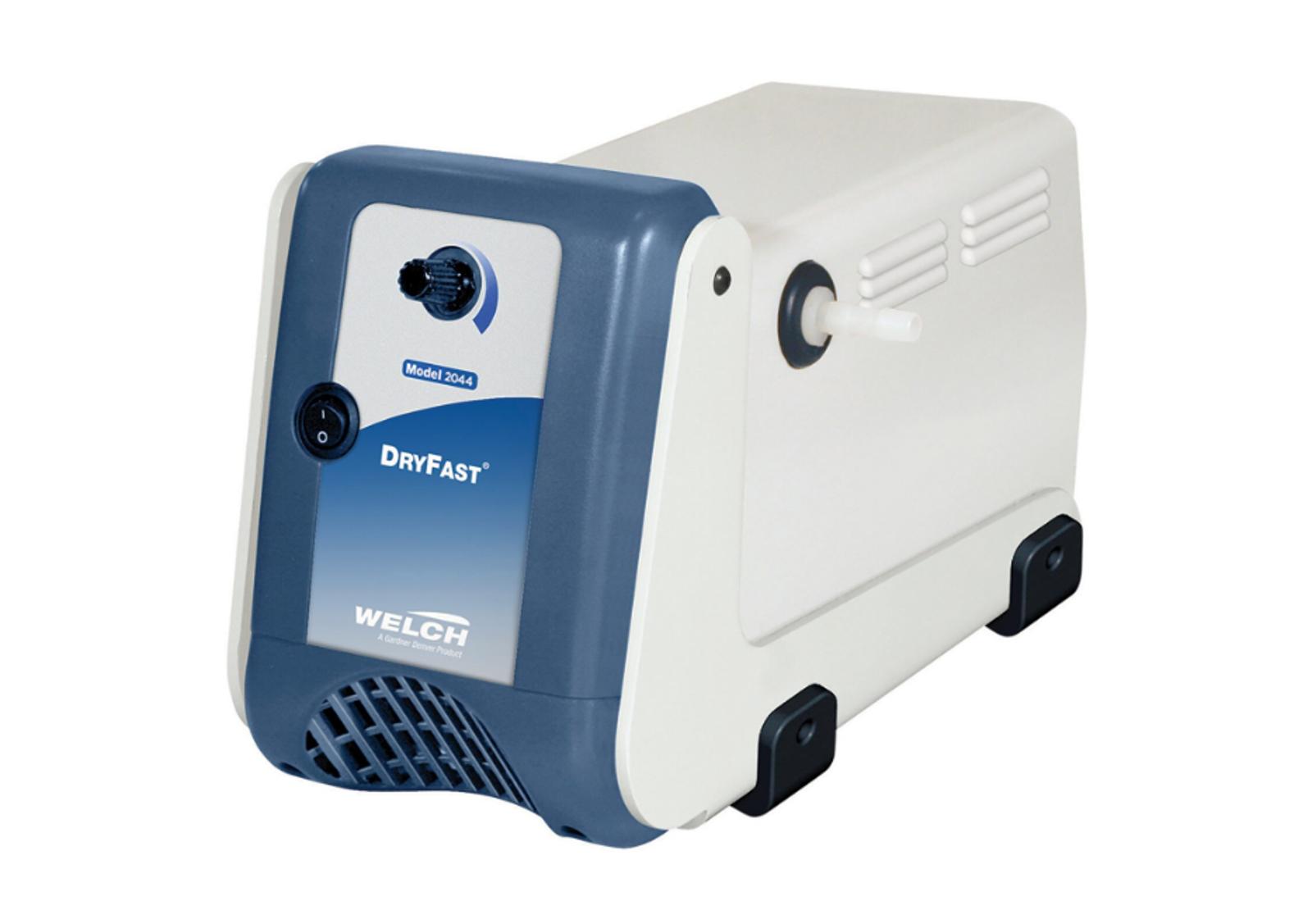
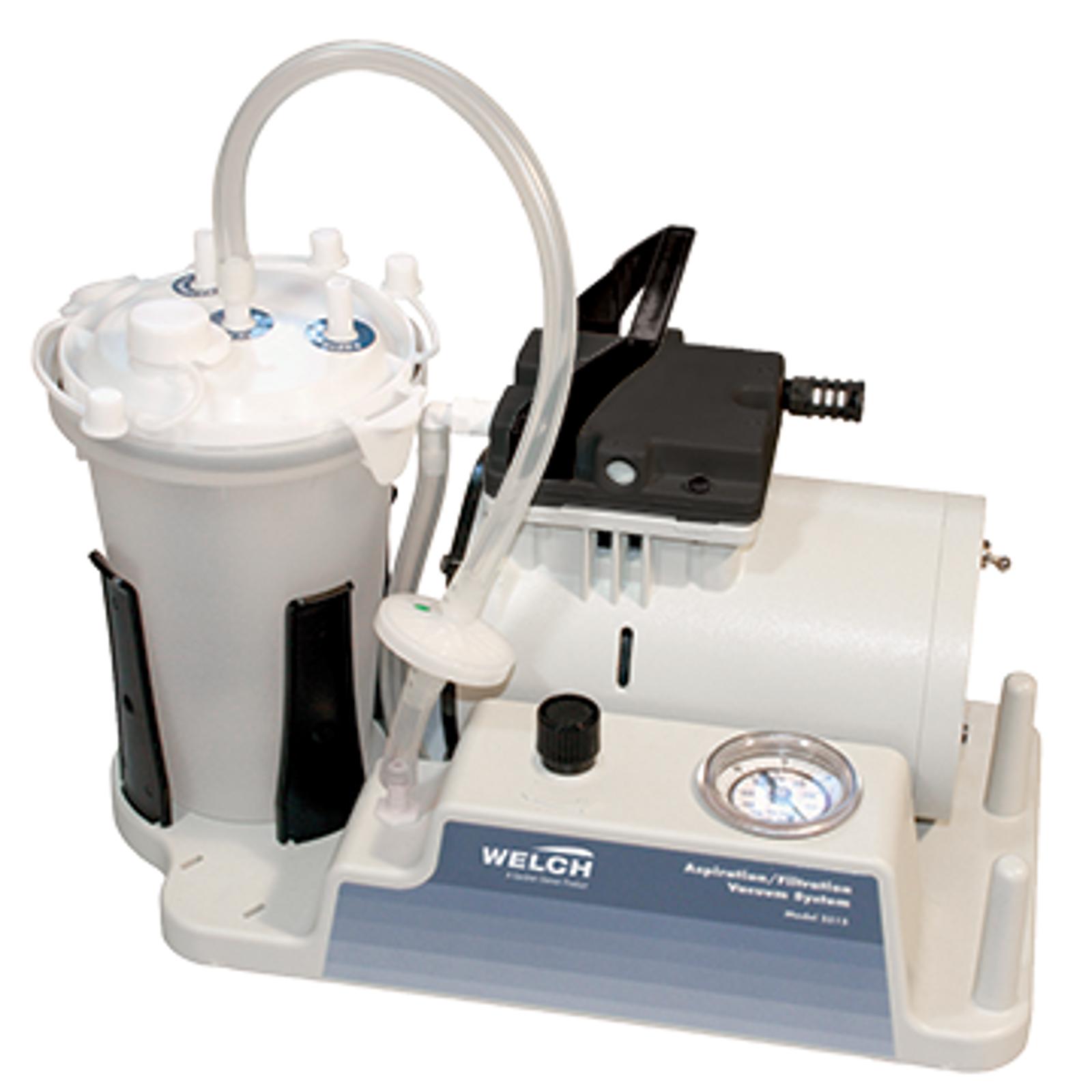
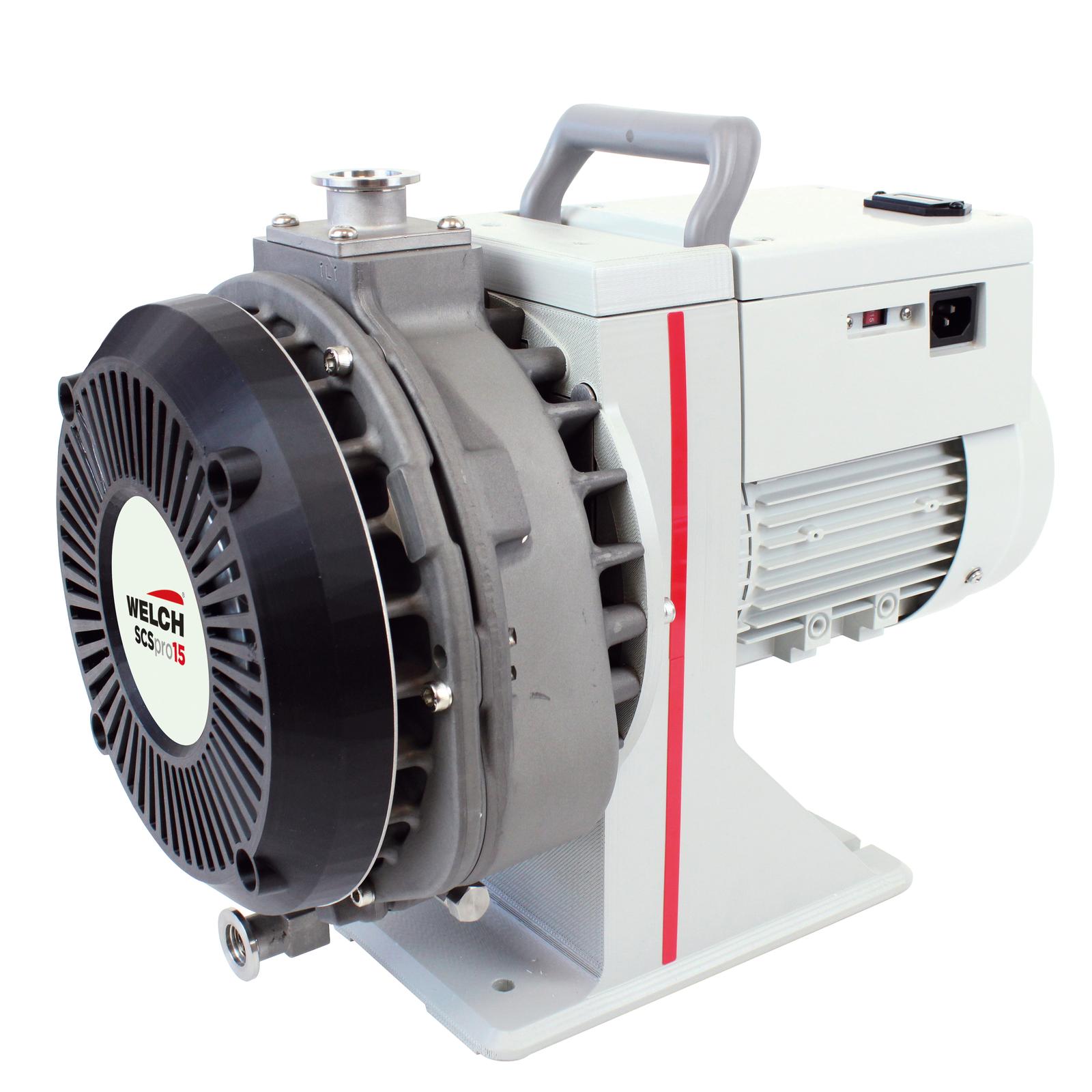
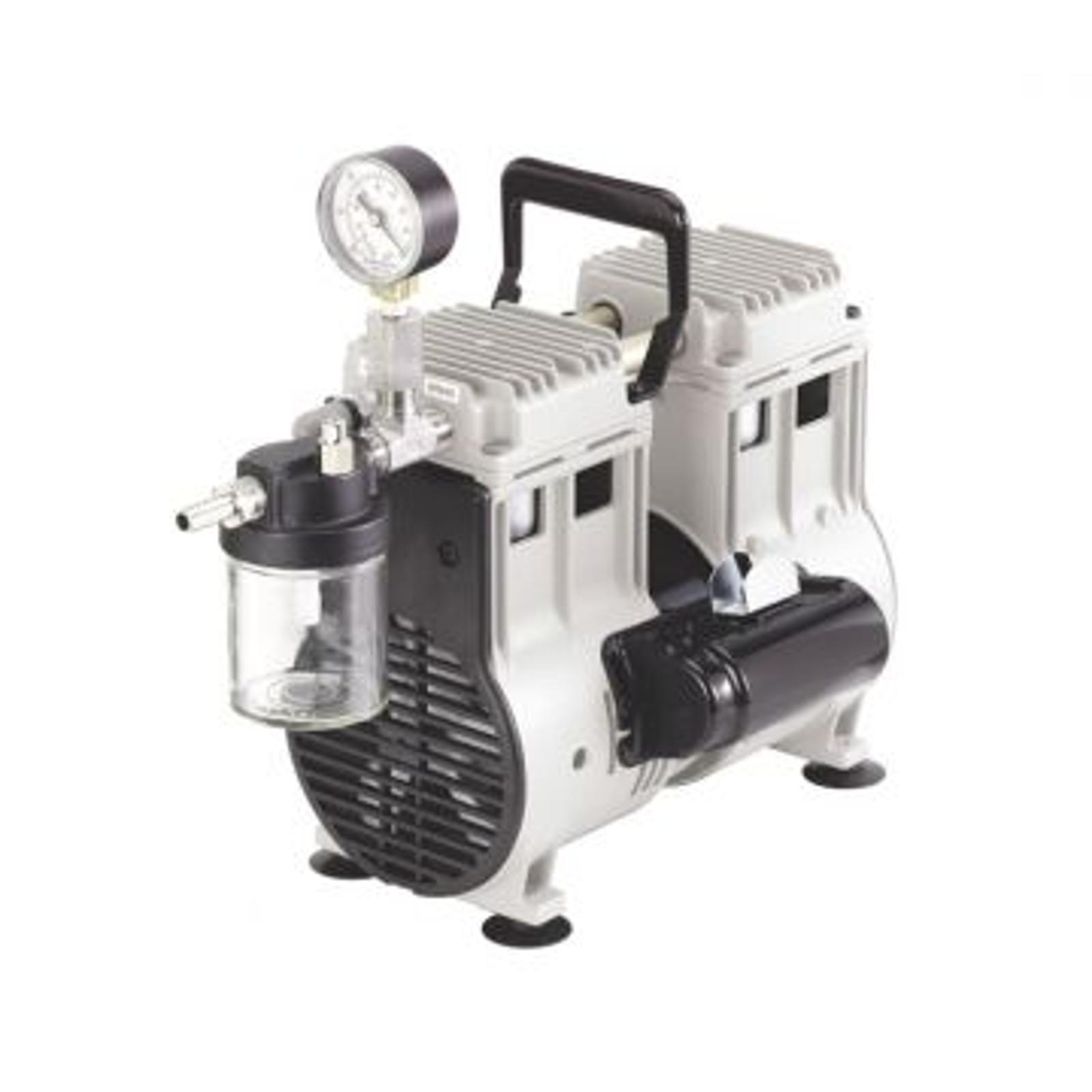
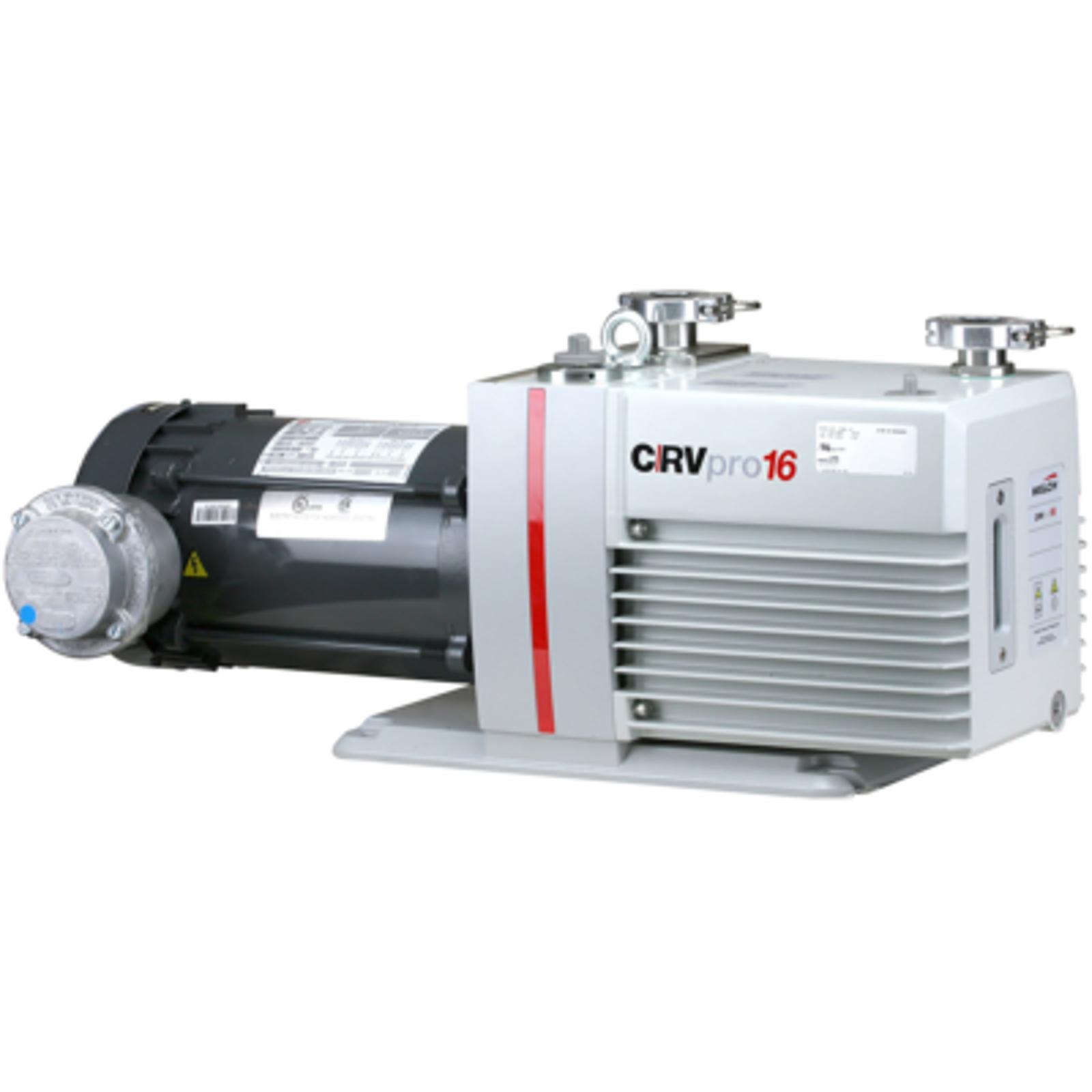
A laboratory vacuum pump is an essential tool that creates and maintains vacuum conditions, playing a crucial role in a variety of scientific applications. Welch offers a wide range of high-performance pumps, including rotary vane, belt-driven, diaphragm, scroll, and piston, as well as fluid aspiration systems. Each pump is designed to meet the specific needs of any laboratory or industrial application, ensuring efficiency and reliability in your research.


Looking to learn more about vacuum pumps? Explore our resources to read the Welch vacuum product brochure.

Why Use a Laboratory Vacuum Pump?

Laboratory vacuum pumps are used to create controlled vacuum conditions for a wide range of scientific and industrial processes. By removing air and other gases from a system, they help improve process efficiency, accuracy, and repeatability.

Benefit

How It Helps

Faster Processing

Vacuum conditions accelerate evaporation, drying, and filtration processes, helping laboratories save time and improve productivity.

Improved Sample Protection

Reducing exposure to air and moisture helps preserve sensitive samples and prevent contamination.

Greater Process Control

Vacuum environments support precise reactions, accurate measurements, and repeatable results.

Cleaner Separation and Filtration

Vacuum-assisted filtration improves efficiency while reducing the risk of clogging and cross-contamination.

Reliable Laboratory Performance

Consistent vacuum levels help ensure dependable operation across research, analytical, and production workflows.

Versatile Applications

Laboratory vacuum pumps are used in chemistry, life sciences, material science, analytical testing, and education.

How to Choose the Right Laboratory Vacuum Pump?

When selecting a laboratory vacuum pump, consider the following key factors:

Factor

Why It Matters

Maximum Vacuum Flow Rate

Ensure the pump delivers the vacuum level and pumping speed required for your application.

Lubrication Type

Oil-lubricated and dry-running pumps differ in maintenance requirements, noise levels, and application suitability.

Motor Power

Select a motor with sufficient power to provide the required suction performance.

Noise Level

Consider operating noise, especially in shared laboratory environments.

Weight Portability

A lightweight design can be beneficial when the pump needs to be moved frequently.

Inlet Outlet Connection Size

Verify that the hose barb connections are compatible with your existing setup.

How can we help you?

If you have any questions or need help finding the perfect vacuum pump for your application, please click the button below and leave us a message. Our team of consultants will be more than happy to assist you!

Common Laboratory Vacuum Pump Applications

Laboratory vacuum pumps support a wide range of scientific, analytical, and educational applications.

Application Area

Typical Uses

Chemistry Research Laboratories

Chemical processes, rotary evaporation, and vacuum oven applications.

Analytical Laboratories

Gas chromatography, mass spectrometry, and sample concentration.

Life Sciences

Filtration, freeze-drying, DNA/RNA purification, and other biological workflows.

Material Science

Thin film deposition, surface analysis, and sputtering processes.

Education Teaching Labs

Hands-on demonstrations, experiments, and laboratory instruction.

Which Laboratory Vacuum Pump Is Best for Your Application?

The best vacuum pump depends on the vacuum level, process requirements, and operating conditions of your application. The table below provides a quick overview of common laboratory vacuum pump technologies and their typical uses.

Pump Type

Best Suited For

Rotary Vane Pumps

Rotary evaporation, freeze drying, vacuum ovens, and other general laboratory applications.

Belt Drive Pumps

Schlenk lines, rotary evaporation, freeze drying, and high-vacuum laboratory processes.

Diaphragm Vacuum Pumps

Clean, oil-free pumping for analytical laboratories, life sciences, and filtration applications.

Fluid Aspiration Systems

Precise liquid aspiration, pipetting, and laboratory fluid handling.

Piston Pumps

Research, education, and general-purpose laboratory applications requiring reliable vacuum performance.

Scroll Pumps

Dry vacuum applications, freeze dryers, glove boxes, turbopump backing, and diffusion pump backing.

Vacuum Blower Systems

Demanding industrial and research processes requiring high flow rates and strong suction capabilities.

Oil Diffusion Pumps

High-vacuum and ultra-high-vacuum environments used in advanced research and scientific applications.

When selecting a vacuum pump, consider your required vacuum level, flow rate, operating environment, maintenance requirements, and application type to identify the most suitable solution.

What Vacuum Level Can a Laboratory Vacuum Pump Achieve?

Laboratory vacuum pumps can achieve a wide range of vacuum levels, from rough vacuum applications to high-vacuum environments used in advanced research. The required vacuum level depends on your application, equipment, and process requirements.

Typical Vacuum Ranges by Pump Type

Pump Type

Typical Vacuum Range

Common Applications

Rotary Vane Pumps

1 to 10 mbar

Rotary evaporation, freeze drying, vacuum ovens, and general laboratory processes.

Belt Drive Pumps

0.0001 to 0.095 Torr

Schlenk lines, rotary evaporation, freeze drying, and high-vacuum laboratory applications.

Diaphragm Vacuum Pumps

1.5 to 150 Torr

Oil-free pumping for analytical laboratories, filtration, and life science applications.

Piston Pumps

0.1 to 1 mbar

Research laboratories, education, and general-purpose vacuum applications.

Scroll Pumps

0.01 to 0.12 Torr

Freeze dryers, glove boxes, backing pumps for turbomolecular and diffusion pumps.

Vacuum Blower Systems

0.04 to 0.095 Torr

Industrial and research processes requiring high flow rates and strong suction.

Oil Diffusion Pumps

Up to 10⁻⁵ Torr

High-vacuum and ultra-high-vacuum research applications.


When selecting a laboratory vacuum pump, consider the required vacuum level alongside factors such as flow rate, application type, maintenance requirements, and operating environment. Choosing the right technology will help ensure optimal performance and long-term reliability.

Ready to Find the Right Vacuum Pump?

Use our expertise to identify the best vacuum solution for your laboratory application. Contact our team for guidance on selecting the right technology, vacuum level, and performance requirements.

FAQ

A vacuum pump for laboratory use is a critical tool for researchers and scientists across diverse fields. It serves as a versatile workhorse that helps to create and maintain vacuum conditions essential for various applications.  Whether you need to remove air and moisture from a reaction vessel, concentrate samples, or assist in filtration, Welch lab vacuum pumps are designed to meet your specific needs. From basic tasks to complex processes, our pumps play an imporant role in advancing scientific discoveries.