

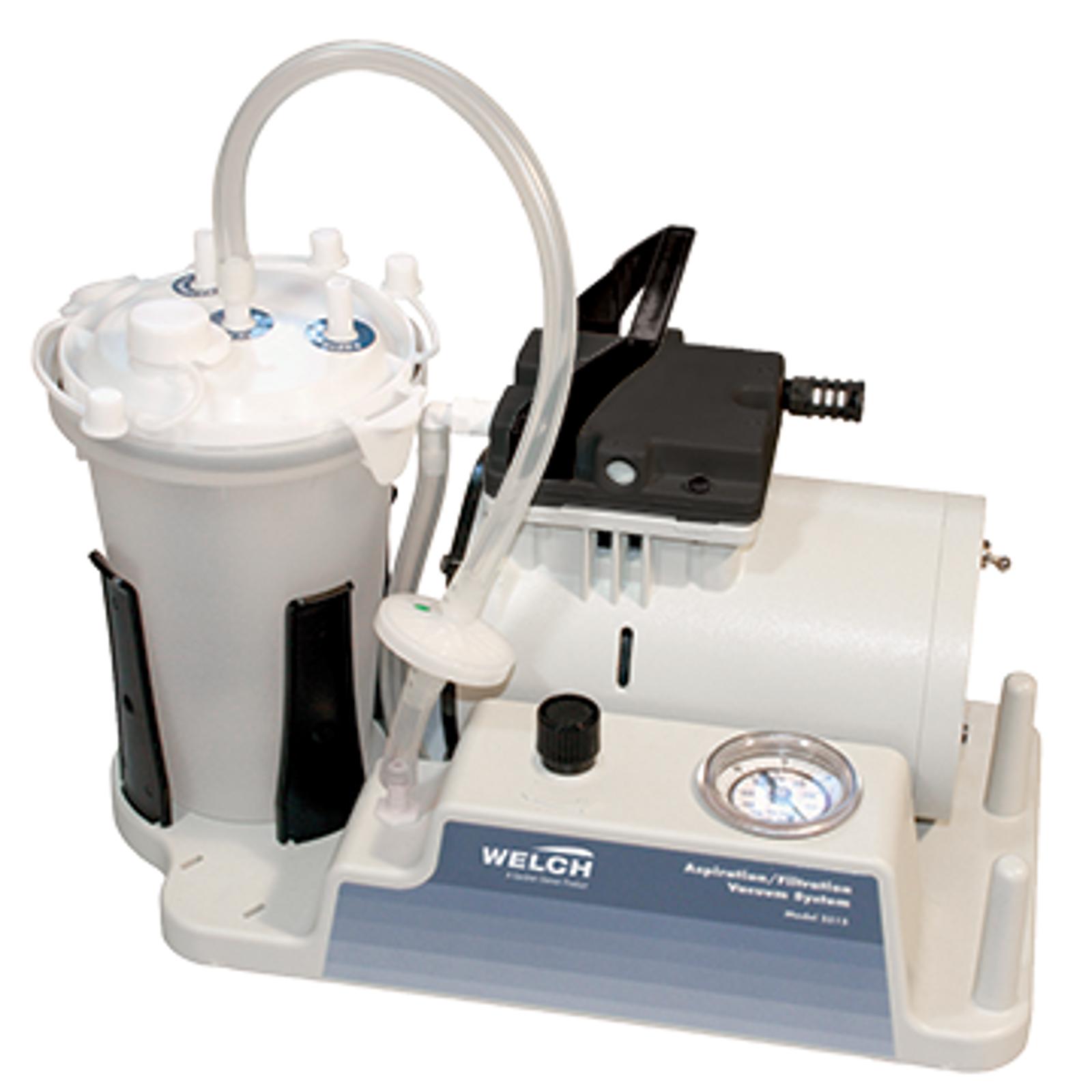
Understanding Laboratory Vacuum Systems

Laboratory vacuum describes any pressure level below atmospheric pressure. Its effectiveness is determined by two key factors: vacuum depth, which indicates how far pressure has been reduced below atmospheric conditions, and pumping speed, which defines how quickly air, vapors, or gases are removed from a closed system.

Laboratory vacuum pumps are used to create and maintain these vacuum conditions, enabling a wide range of scientific and industrial processes.

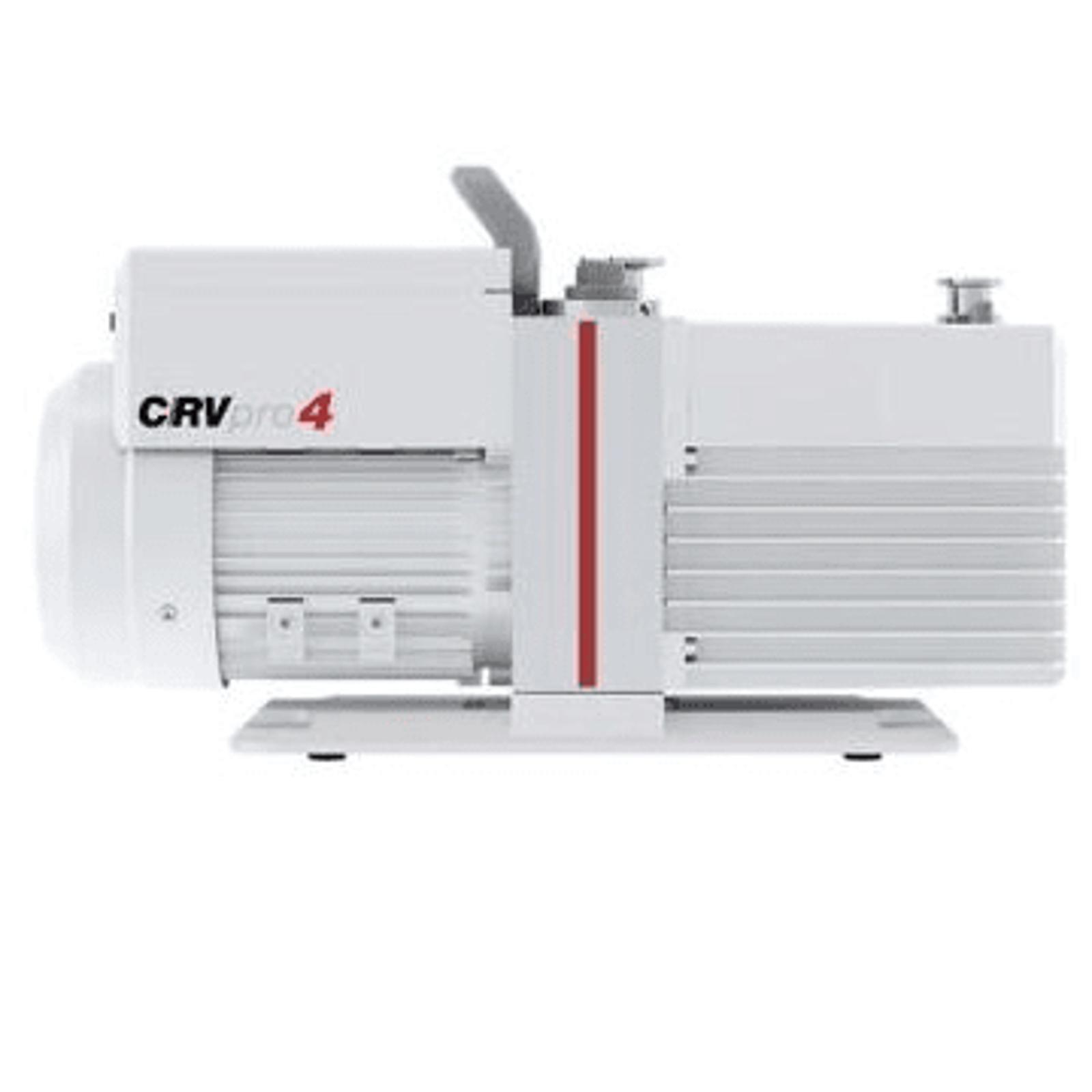
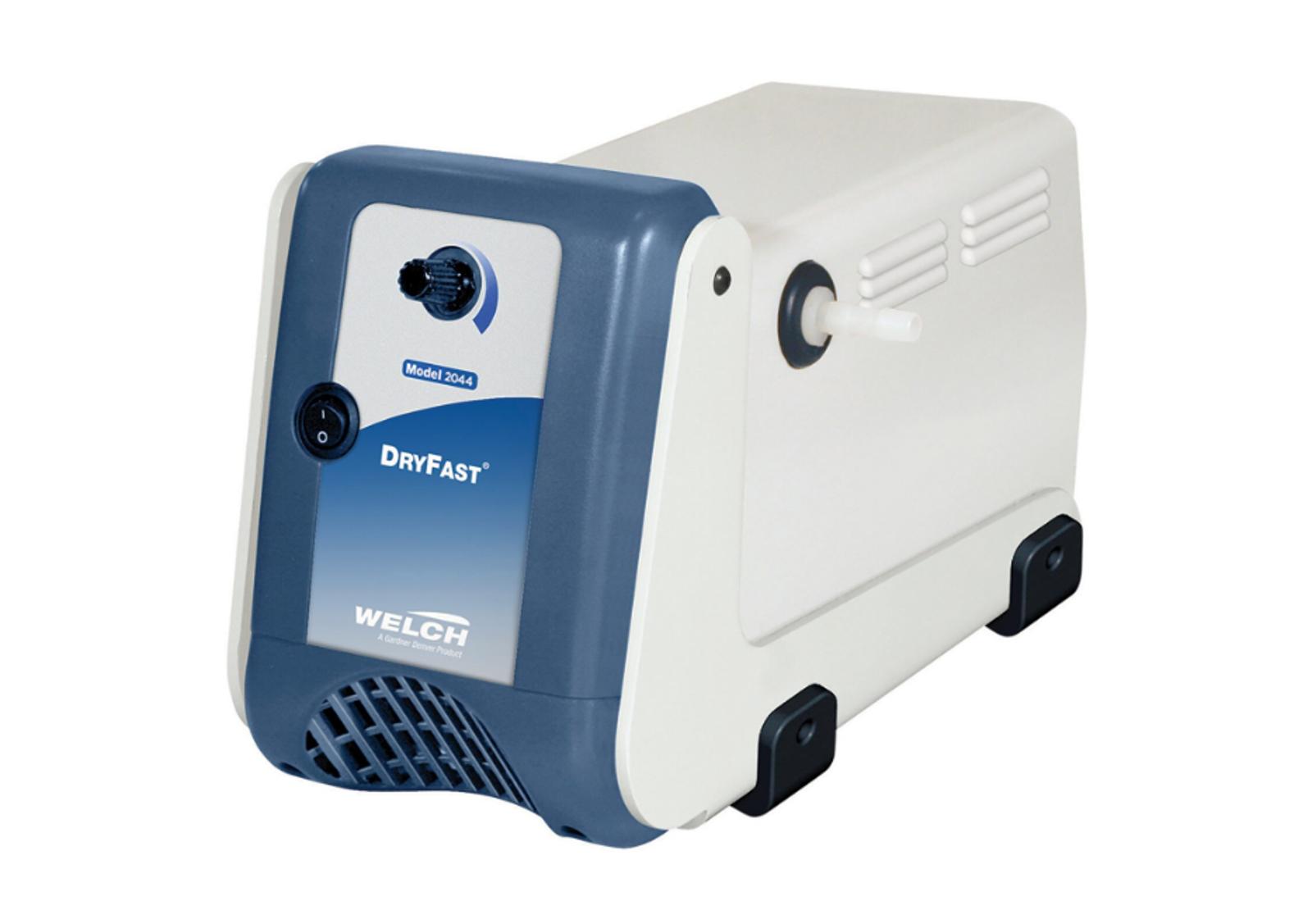
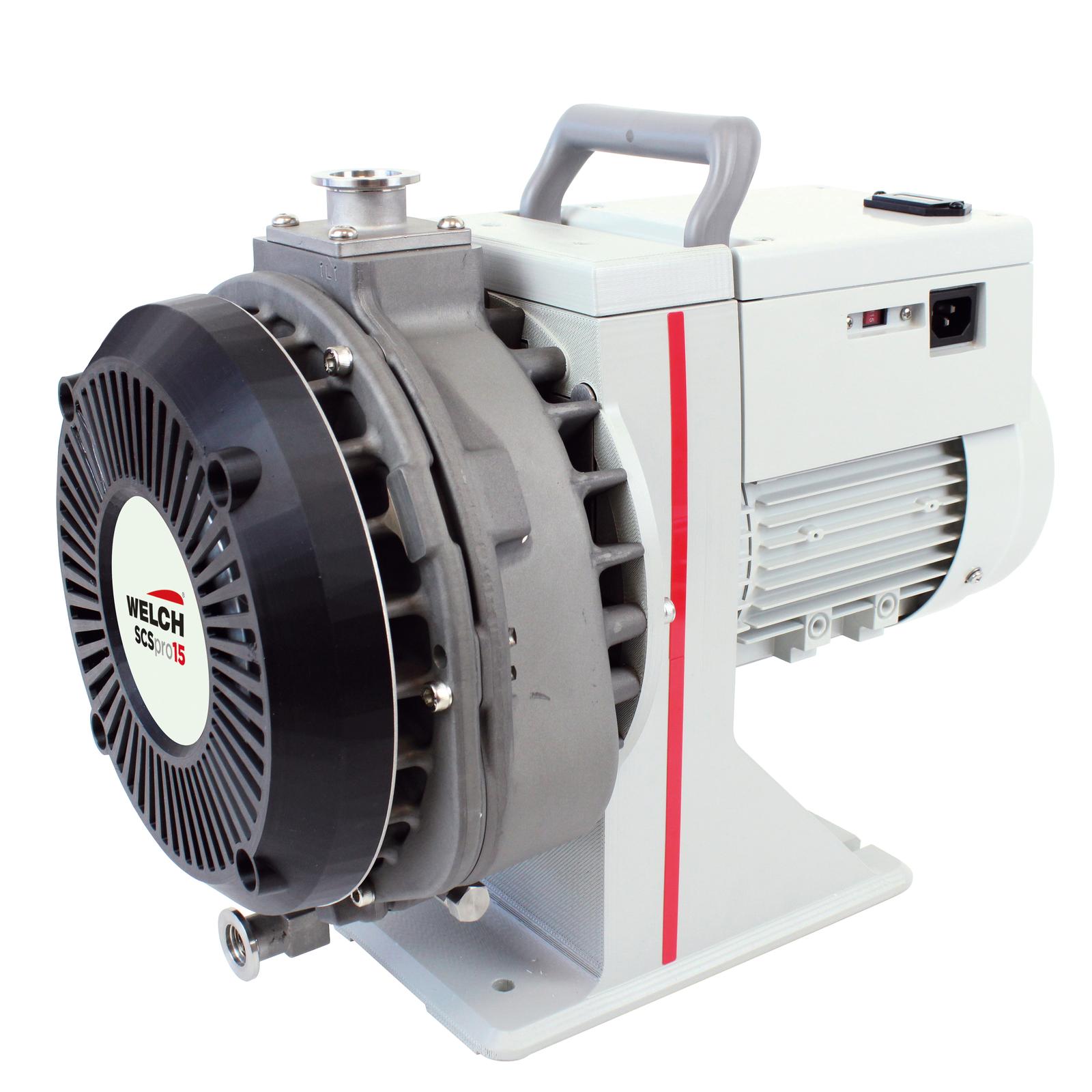
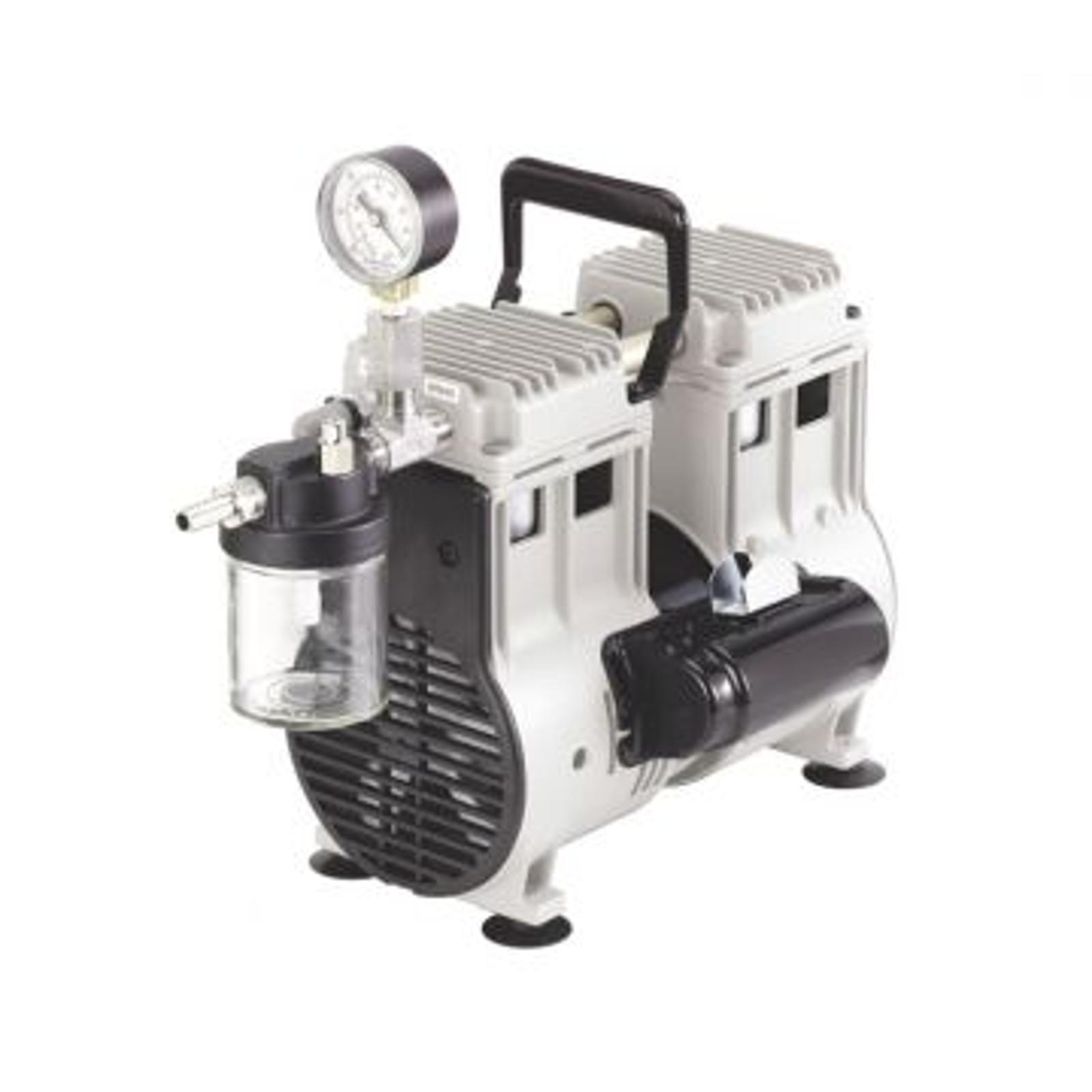
A laboratory vacuum pump is a critical component in many research environments, helping support applications that require controlled vacuum performance. Welch offers a broad portfolio of vacuum technologies, including rotary vane, belt-driven, diaphragm, scroll, and piston pumps, as well as fluid aspiration systems. Each solution is engineered to meet specific laboratory and industrial requirements while delivering reliable and efficient operation.

How Laboratory Vacuum Pumps Improve Laboratory Processes

Laboratory vacuum pumps are used to create controlled vacuum conditions for a wide range of scientific and industrial processes. By removing air and other gases from a system, they help improve process efficiency, accuracy, and repeatability.

Benefit

How It Helps

Increased Process Efficiency

Vacuum conditions help speed up evaporation, drying, and filtration, reducing processing time and supporting more efficient laboratory workflows.

Better Sample Preservation

Limiting exposure to air and moisture helps maintain sample integrity and reduces the risk of contamination.

Improved Process Accuracy

Controlled vacuum environments enable precise reactions, reliable measurements, and consistent experimental results.

More Effective Filtration & Separation

Vacuum-assisted filtration can increase throughput while helping prevent clogging and cross-contamination.

Consistent Vacuum Performance

Stable vacuum levels support dependable operation across research, analytical, and production applications.

Wide Application Range

Laboratory vacuum pumps support a variety of disciplines, including chemistry, life sciences, material science, analytical testing, and education.

Choosing a Laboratory Vacuum Pump for Your Application

When selecting a laboratory vacuum pump, consider the following:

Selection Criteria

Considerations

Vacuum Level & Pumping Speed

Choose a pump capable of delivering the vacuum performance and flow rate required for your specific process.

Pump Lubrication

Oil-lubricated and oil-free technologies offer different advantages in terms of maintenance, operating noise, and application compatibility.

Motor Capacity

Ensure the motor provides enough power to achieve the desired suction and overall vacuum performance.

Operating Noise

Noise levels may be an important consideration, particularly in shared laboratory or educational environments.

Mobility & Weight

A more compact and lightweight design may be preferable when equipment needs to be transported or repositioned regularly.

Connection Compatibility

Confirm that inlet and outlet connection sizes are suitable for your existing laboratory setup and equipment.

How can we help you?

If you have any questions or need help finding the perfect vacuum pump for your application, please click the button below and leave us a message. Our team of consultants will be more than happy to assist you!

Where Are Laboratory Vacuum Pumps Used?

Laboratory vacuum pumps are used across a broad range of research, analytical, and educational environments.


Field

Common Applications

Chemistry & Research Laboratories

Supporting chemical processing, rotary evaporation, and vacuum oven operations.

Analytical Testing Laboratories

Used for gas chromatography, mass spectrometry, and sample preparation workflows.

Life Science Applications

Assisting with filtration, freeze drying, DNA/RNA purification, and related biological processes.

Material Science Research

Supporting thin film deposition, surface characterization, and sputtering applications.

Educational Laboratories

Providing dependable vacuum technology for demonstrations, experiments, and hands-on learning.

Choosing the Best Vacuum Pump for Your Application

Selecting the right vacuum pump depends on factors such as vacuum requirements, operating conditions, and the demands of your process. The comparison below outlines common laboratory vacuum technologies and the applications they are typically used for.


Vacuum Technology

Typical Applications

Rotary Vane Pumps

Well suited for rotary evaporation, freeze drying, vacuum ovens, and a variety of general laboratory processes.

Belt-Driven Pumps

Commonly used with Schlenk lines, rotary evaporators, freeze dryers, and other high-vacuum laboratory systems.

Diaphragm Vacuum Pumps

Designed for clean, oil-free vacuum generation in analytical laboratories, life science workflows, and filtration applications.

Fluid Aspiration Systems

Ideal for liquid aspiration, pipetting procedures, and laboratory fluid management tasks.

Piston Pumps

Suitable for research, teaching laboratories, and other applications requiring dependable vacuum performance.

Scroll Pumps

Frequently used for dry vacuum processes, freeze dryers, glove boxes, and as backing pumps for turbomolecular and diffusion pumps.

Vacuum Blower Systems

Used in demanding research and industrial environments where high flow capacity and strong vacuum performance are required.

Oil Diffusion Pumps

Designed for advanced scientific applications requiring high-vacuum and ultra-high-vacuum conditions.


To determine the best fit, evaluate factors such as vacuum level, pumping speed, operating environment, maintenance considerations, and the specific requirements of your application.

Typical Vacuum Levels by Pump Technology

Laboratory vacuum pumps are capable of generating vacuum levels ranging from rough vacuum conditions to the high-vacuum environments required in advanced scientific applications. The ideal vacuum range depends on the process, equipment, and performance requirements of the application.


Vacuum Performance by Pump Technology


Vacuum Technology

Typical Vacuum Range

Representative Applications

Rotary Vane Pumps

1 to 10 mbar

Suitable for rotary evaporation, freeze drying, vacuum ovens, and a range of general laboratory applications.

Belt-Driven Pumps

0.0001 to 0.095 Torr

Commonly used with Schlenk lines, rotary evaporators, freeze dryers, and other high-vacuum laboratory processes.

Diaphragm Vacuum Pumps

1.5 to 150 Torr

Provide clean, oil-free vacuum performance for analytical laboratories, filtration tasks, and life science workflows.

Piston Pumps

0.1 to 1 mbar

Used in research facilities, educational laboratories, and general-purpose vacuum applications.

Scroll Pumps

0.01 to 0.12 Torr

Well suited for freeze dryers, glove boxes, and as backing pumps for turbomolecular and diffusion pump systems.

Vacuum Blower Systems

0.04 to 0.095 Torr

Designed for industrial and research environments that require high flow rates and strong vacuum performance.

Oil Diffusion Pumps

Up to 10⁻⁵ Torr

Used in advanced research applications requiring high-vacuum and ultra-high-vacuum conditions.


When evaluating laboratory vacuum pump technologies, consider not only the required vacuum level but also pumping speed, operating conditions, maintenance needs, and application requirements. Selecting the appropriate technology can help maximize performance, efficiency, and system reliability.

Ready to Find the Right Vacuum Pump?

Use our expertise to identify the best vacuum solution for your laboratory application. Contact our team for guidance on selecting the right technology, vacuum level, and performance requirements.

FAQ

A vacuum pump for laboratory use is a critical tool for researchers and scientists across diverse fields. It serves as a versatile workhorse that helps to create and maintain vacuum conditions essential for various applications.  Whether you need to remove air and moisture from a reaction vessel, concentrate samples, or assist in filtration, Welch lab vacuum pumps are designed to meet your specific needs. From basic tasks to complex processes, our pumps play an imporant role in advancing scientific discoveries.