

welch-logo.png

Glove boxes are used to create a controlled environment, either for isolation of sensitive substances, or to protect users from hazardous materials. The boxes feature built-in gloves for safe handling of the contents.

A vacuum pump is used to remove ambient air from the glove box, which is backfilled with an inert gas, such as argon. This process can be repeated to further lower oxygen concentration. The transfer chambers should also be evacuated to prevent external atmosphere from entering the glove box.

Vacuum Systems for Controlled Atmosphere Enclosures

Glove boxes require stable, low-pressure environments to protect sensitive materials from moisture, oxygen, or other contaminants. Welch Vacuum systems are engineered to support these enclosures with consistent vacuum performance, long-term reliability, and compatibility with inert gas workflows. 

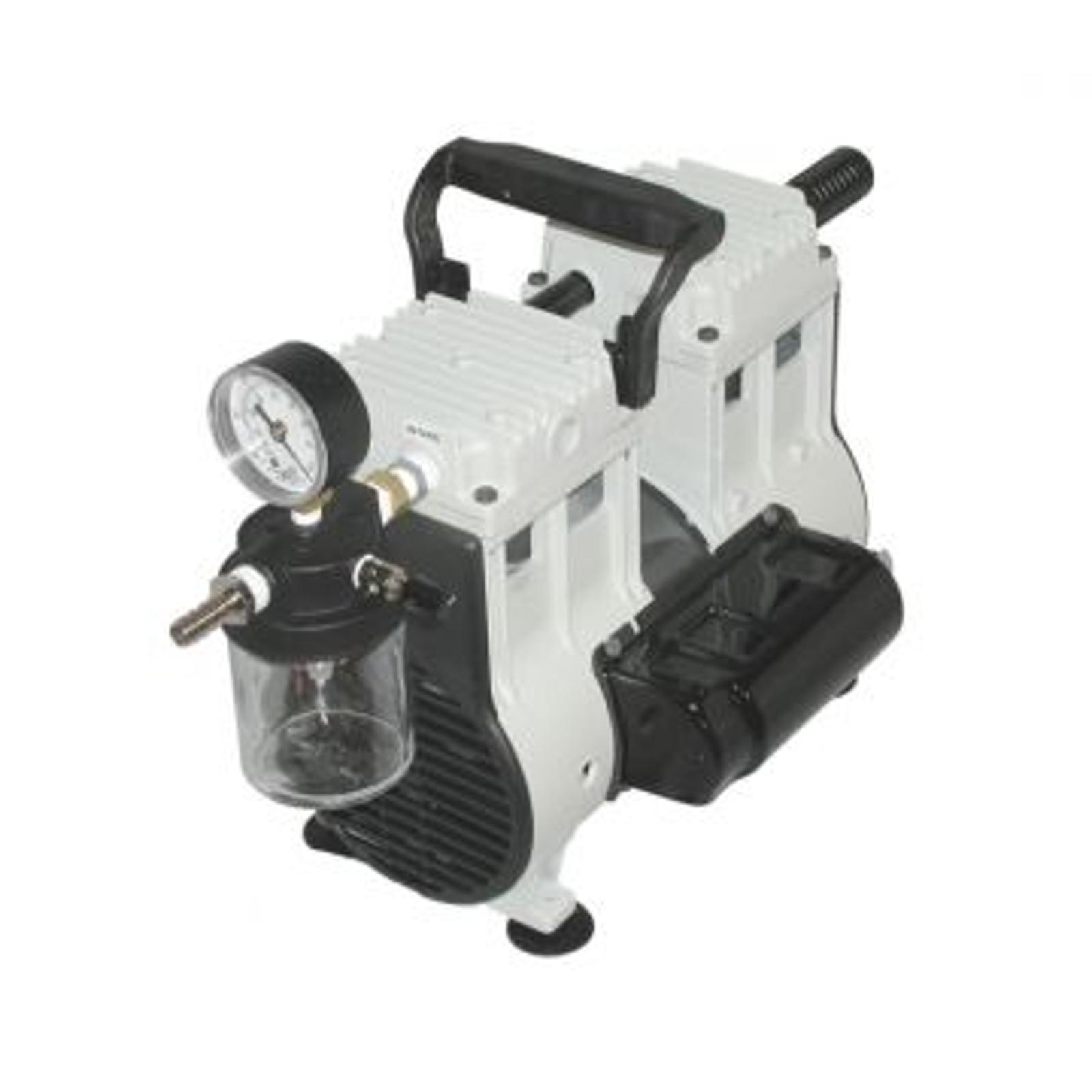
Welch’s oil-free diaphragm pumps are the preferred choice for glove box applications. They maintain clean vacuum conditions without introducing oil vapor or requiring frequent maintenance. This is especially important in labs handling air-sensitive compounds, lithium batteries, or semiconductor materials. 
Why Diaphragm Pumps Work Best

Welch diaphragm pumps offer: 

  • Oil-free operation: Prevents contamination and simplifies maintenance. 

  • Corrosion resistance: Handles reactive gases without degradation. 

  • Stable vacuum levels: Supports precise control of glove box pressure. 

  • Compact footprint: Fits easily into lab setups without sacrificing performance. 

These pumps are often paired with gas purification systems to maintain inert atmospheres, such as nitrogen or argon. Welch’s models are compatible with most glove box brands and configurations. 

Application Fit

Typical glove box use cases include: 

  • Battery R&D: Handling lithium and other reactive metals. 

  • Pharmaceuticals: Protecting hygroscopic or oxygen-sensitive compounds. 

  • Semiconductor fabrication: Maintaining clean environments for wafer processing. 

  • Chemical synthesis: Supporting air-free reactions and sample transfers. 

Welch pumps are designed to integrate seamlessly into these workflows, offering quiet operation and long service intervals. 

Product Selection Guidance

When choosing a pump for your glove box, consider: 

  • Required vacuum level (typically between 1–100 mbar) 

  • Gas compatibility (inert, corrosive, or reactive) 

  • Flow rate needs based on box volume and purge cycles 

  • Noise and vibration constraints in lab environments 

Welch’s technical team can assist with sizing and configuration. # or refer to the # for tailored recommendations. 

FAQs

Most glove boxes operate between 1–100 mbar. The exact level depends on the materials and processes involved.