
Products
Vacuum Pumps
Belt Driven PumpsDuoSeal 1374DuoSeal 1376 DuoSeal 1376B-46DuoSeal 1380DuoSeal 1397 DuoSeal 1397B-46DuoSeal 1399DuoSeal 1400DuoSeal 1402DuoSeal 1402B-46 DuoSeal 1405DuoSeal 1400W-01DuoSeal 1402W-01DuoSeal 1405W-01ChemStar 1400N-90ChemStar 1402N-90ChemStar 1376NChemStar 1400NChemStar 1402NCapture CRRBelt Kit 1397ABelt Kit 1399ABelt Kit 1400ABelt Kit 1405AMajor Repair Kit 1373K-06Major Repair Kit 1376K-06Major Repair Kit 1376K-10Major Repair Kit 1380K-04Major Repair Kit 1397K-08Major Repair Kit 1399K-04Major Repair Kit 1400K-04Major Repair Kit 1400K-10Major Repair Kit 1402K-06Major Repair Kit 1402K-10Major Repair Kit 1402K-47Minor Repair Kit 1373K-05Minor Repair Kit 1376K-05Minor Repair Kit 1376K-09Minor Repair Kit 1376K-46Minor Repair Kit 1397K-07Minor Repair Kit 1380K-03Minor Repair Kit 1399K-03Minor Repair Kit 1400K-03Minor Repair Kit 1400K-09Minor Repair Kit 1402K-05Minor Repair Kit 1402K-09Minor Repair Kit 1402K-46Seal Kit 1401EDuoSeal Oil
Vacuum Gauges and Controllers
Vacuum Pump Oils
Applications
Mass Spectrometry
Botanicals Processing
HVAC Pumps
Rotary Evaporator
Vacuum Concentrator
Vacuum Manifold
Freeze Dryer
Vacuum Oven
Vacuum Filtration
Vacuum Distillation
Aspiration (Cell Culture)
Glove Box
Gel Dryer
Vacuum Measurement & Control
Pick & Place
Vacuum Workhholding
Degassing / Dessicator
Vacuum Leak Detection: Methods, Tools & Tips
Service
Maintenance Kits
FAQ
About Us
News
Careers
History
Our Values
Downloads
Knowledge Base
Discover & Learn
Install & Setup
Operate & Maintain

About vacuum for mass spectrometry


Mass Spectrometry is used for many analytical purposes including:

  • Identify unknown compounds
  • Determine elemental composition
  • Determine the abundance of a compound in a sample
  • Determine the structure of a molecule
  • Measure the physical, chemical, or biological properties of a great variety of compounds

In analytical laboratories, the most common applications involving a mass spectrometer are Pharmaceutical, Biopharma, Drug screening, Environmental testing, Food & beverage testing, Petrochemical.

The vacuum system in a mass spectrometer typically operates below in the micron range to allow the free flight of molecular fragments to travel to the detector.

Mass spectrometers can analyze atoms, molecules and biological material ranging in size from protons to macro-compounds such as DNA. Compounds injected into Mass Spectrometer are fragmented into molecular fragments.

Selecting Vacuum Pumps and Systems for Mass Spectrometers

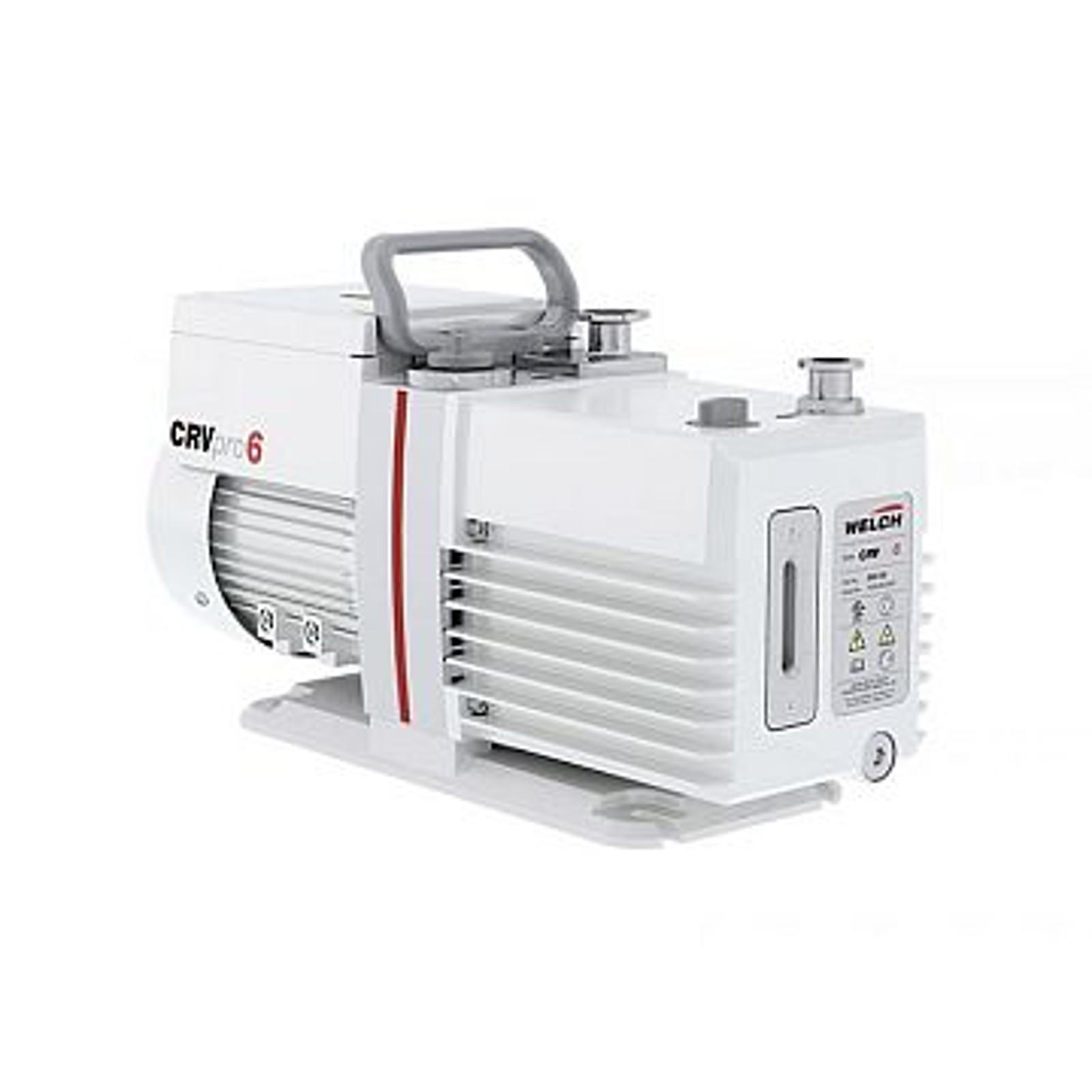
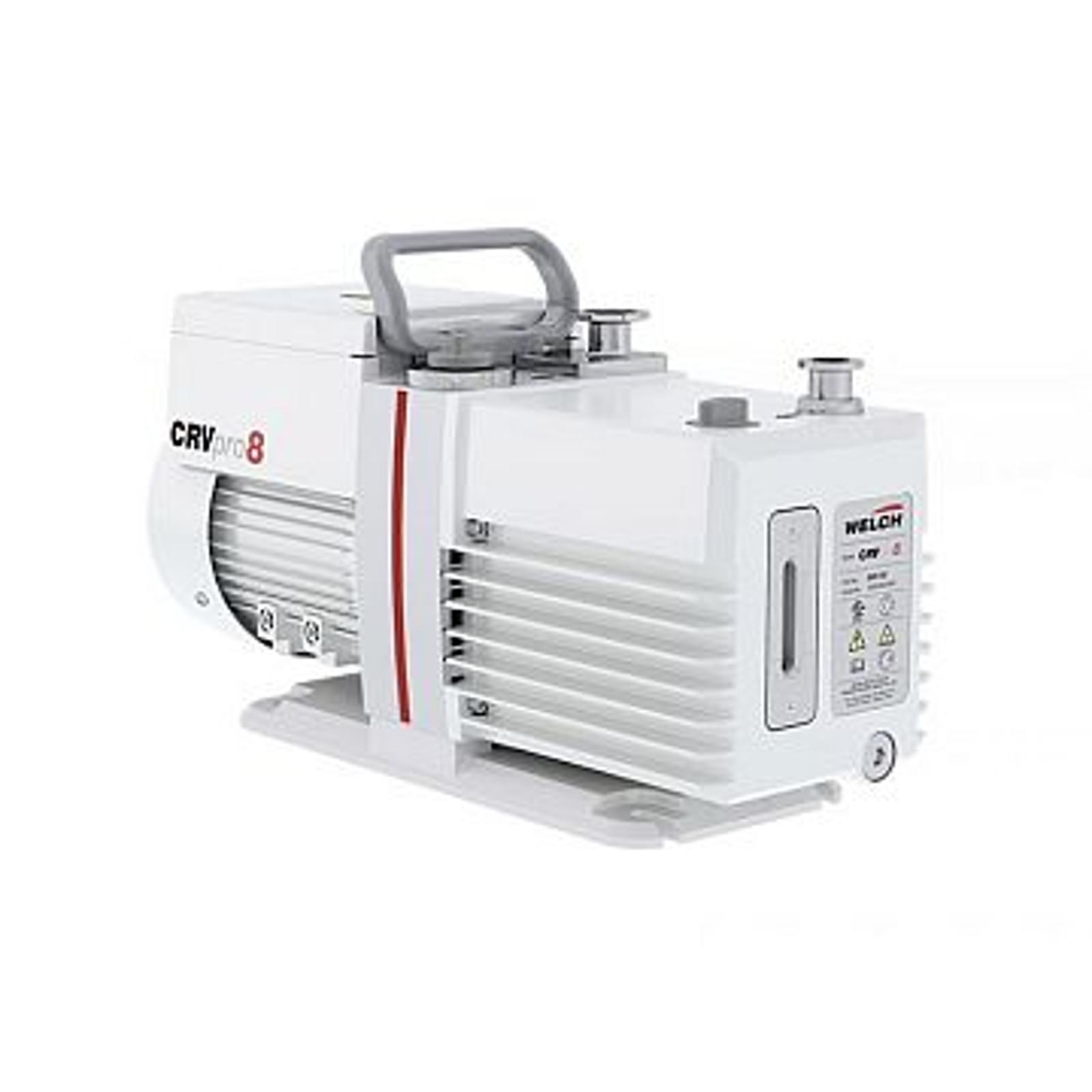
Common issues in vacuum pumps backing a mass spectrometer include hot running pumps, contamination of the oil, and chemical attack of pump internal components. Welch’s CRVpro series operates at lower operating temperature which reduces oil breakdown. The large oil reservoir in the pump dilutes chemical contaminants, which reduces chemical attack of the pump internal components. The hardened internal pump components resist chemical attack by chemical contaminants.

Welch offers a variety of rotary vane pumps to be used as backing pumps for various types of Mass Specs.

Refer to the table below for guidance in choosing the right vacuum pump for your mass spec device. For advice and guidance feel free to also reach out to our application experts, using the buttons above.
MANUFACTURER

GC-MS / SMALL TOF

GC-MS / SMALL TOF

ICP-MS / LOW END LC-MS

ICP-MS / LOW END LC-MS

ICP-MS / LOW END LC-MS

LC-MS

Welch

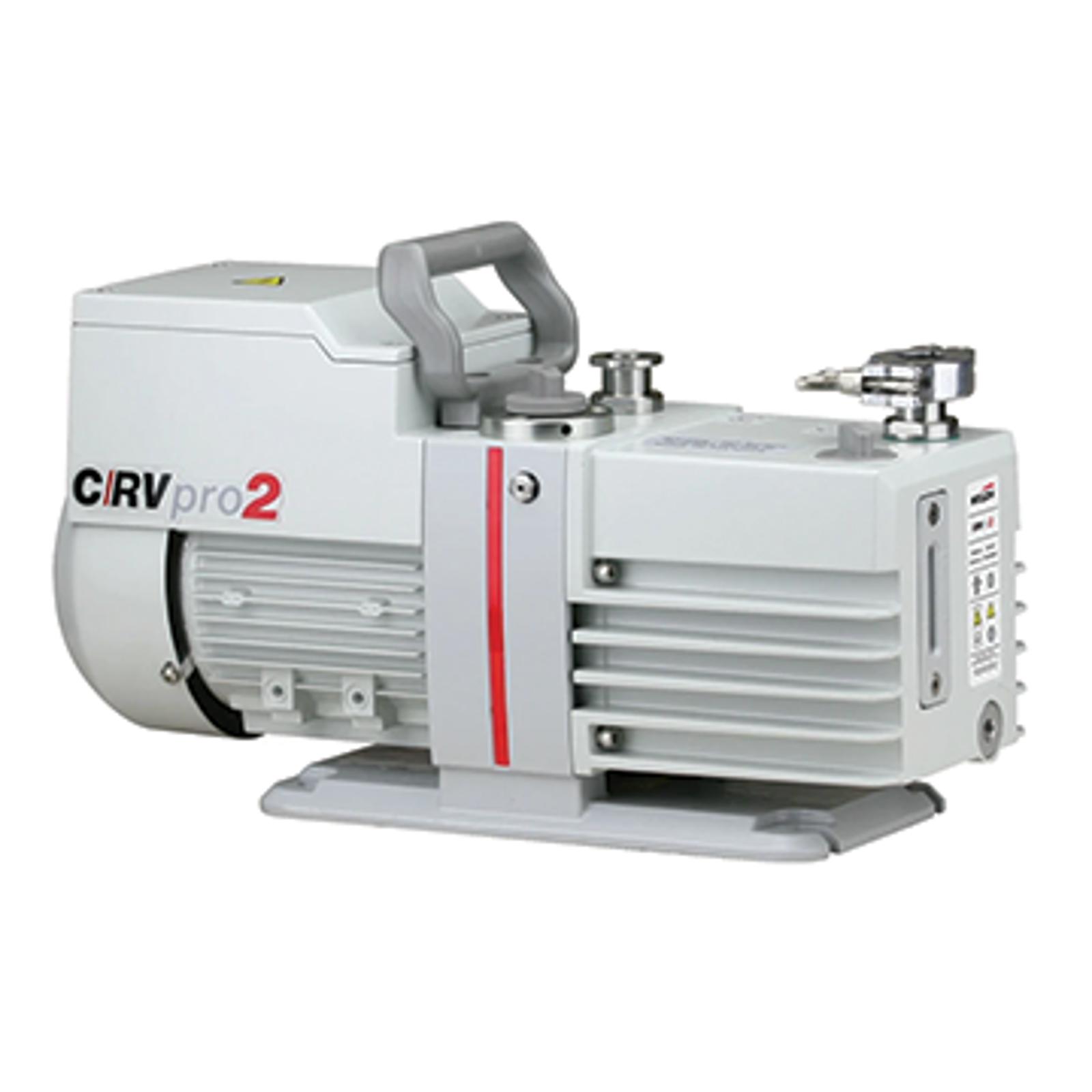
CRVpro 2(1.8 CFM)

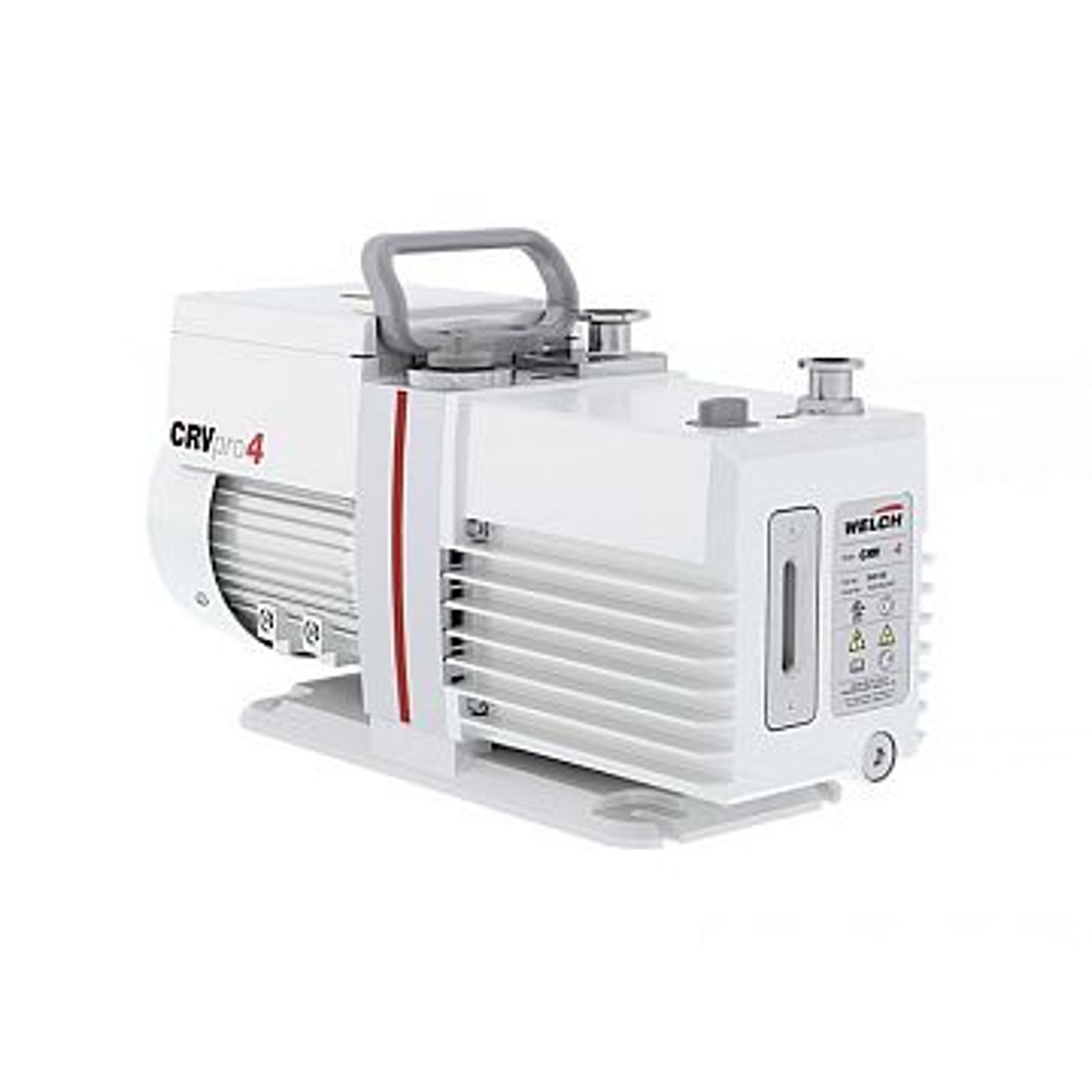
CRVpro 4(2.8 CFM)

CRVpro 8(5.6 CFM)

CRVpro 16(12.8 CFM)

CRVpro 24(12.8 CFM)

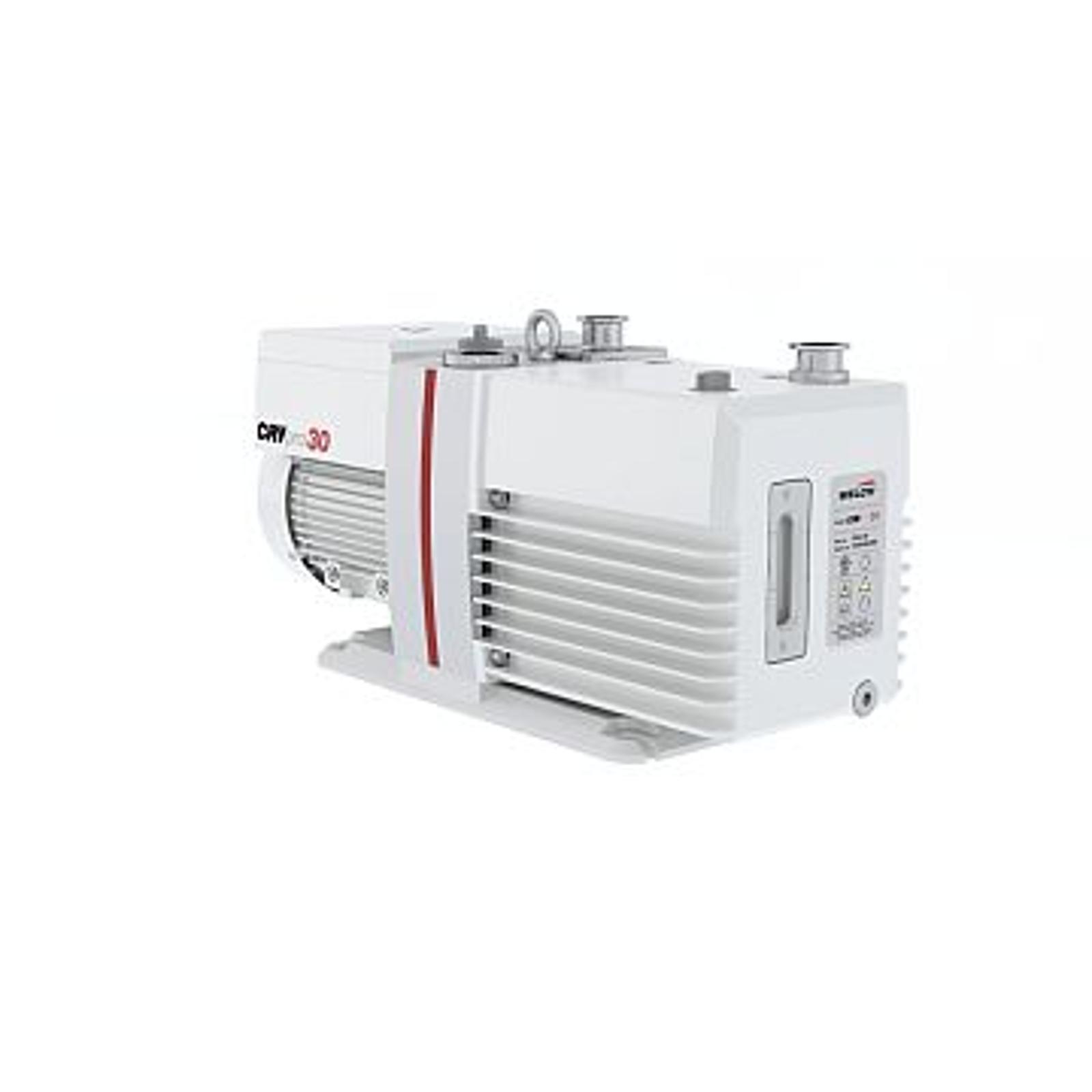
CRVpro 30(22.1 CFM)

FAQs

Most MS systems operate in the high vacuum range (10⁻³ to 10⁻⁶ mbar), with some requiring ultra-high vacuum. The exact requirement depends on the ion source and detector type.