

Products
Vacuum Pumps
Vacuum Gauges and Controllers
Vacuum Pump Oils
Applications
Mass Spectrometry
Botanicals Processing
HVAC Pumps
Rotary Evaporator
Vacuum Concentrator
Vacuum Manifold
Freeze Dryer
Vacuum Oven
Vacuum Filtration
Vacuum Distillation
Aspiration (Cell Culture)
Glove Box
Gel Dryer
Vacuum Measurement & Control
Pick & Place
Vacuum Workhholding
DEGASSING / DESSICATOR
Gas Analysis
Vacuum Leak Detection: Methods, Tools & Tips
Service
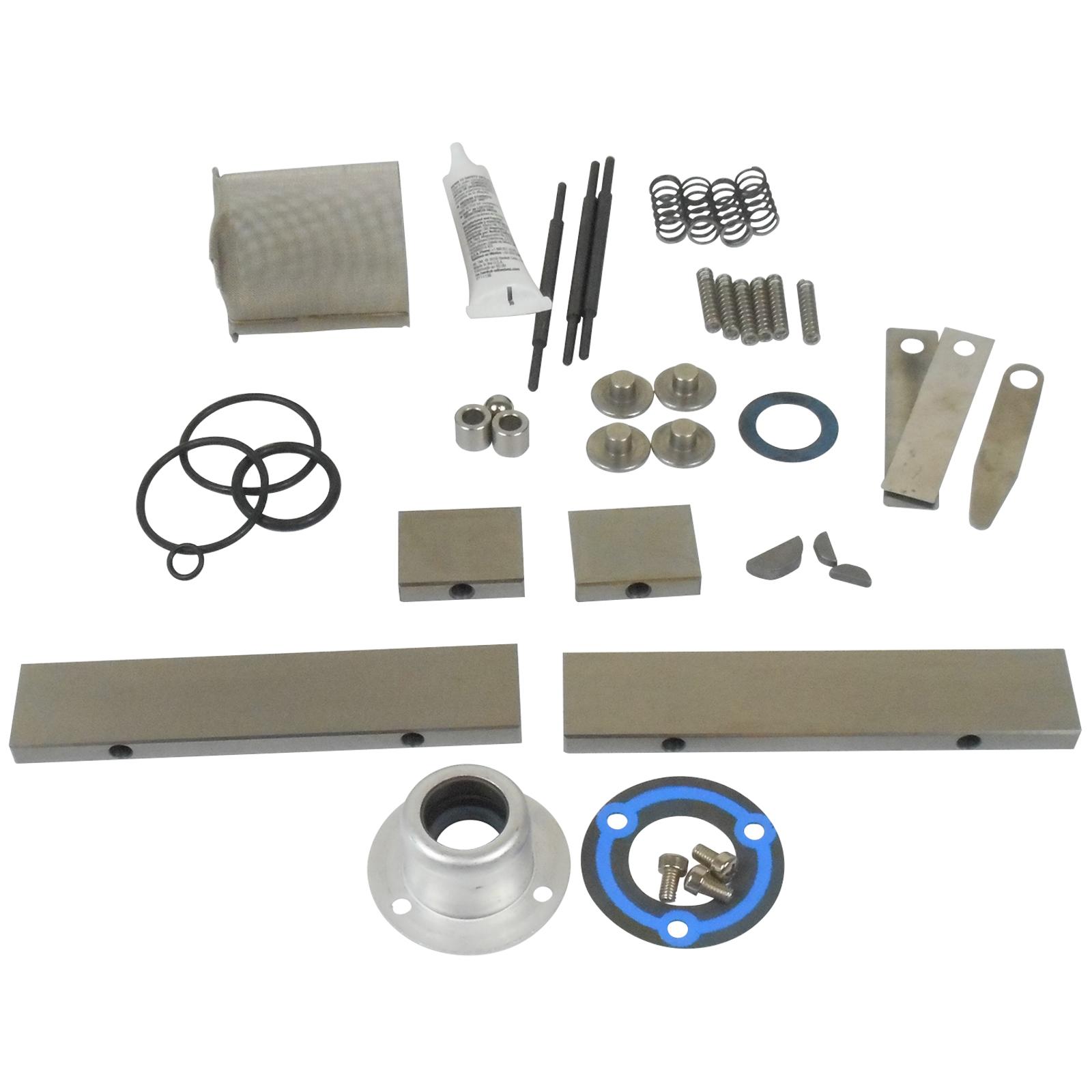
Maintenance Kits
FAQ
About Us
News
Careers
History
Our Values
Downloads
Global Presence

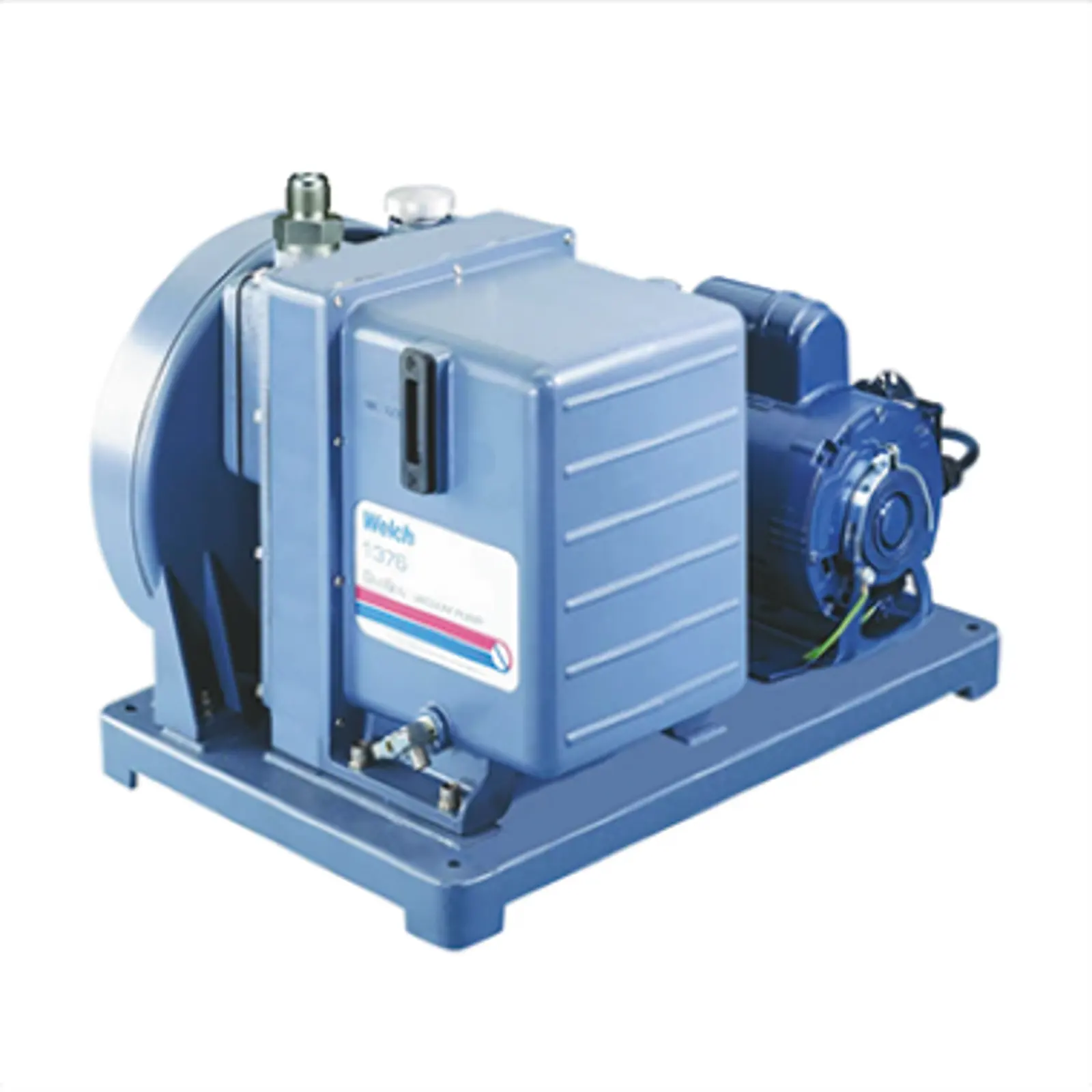
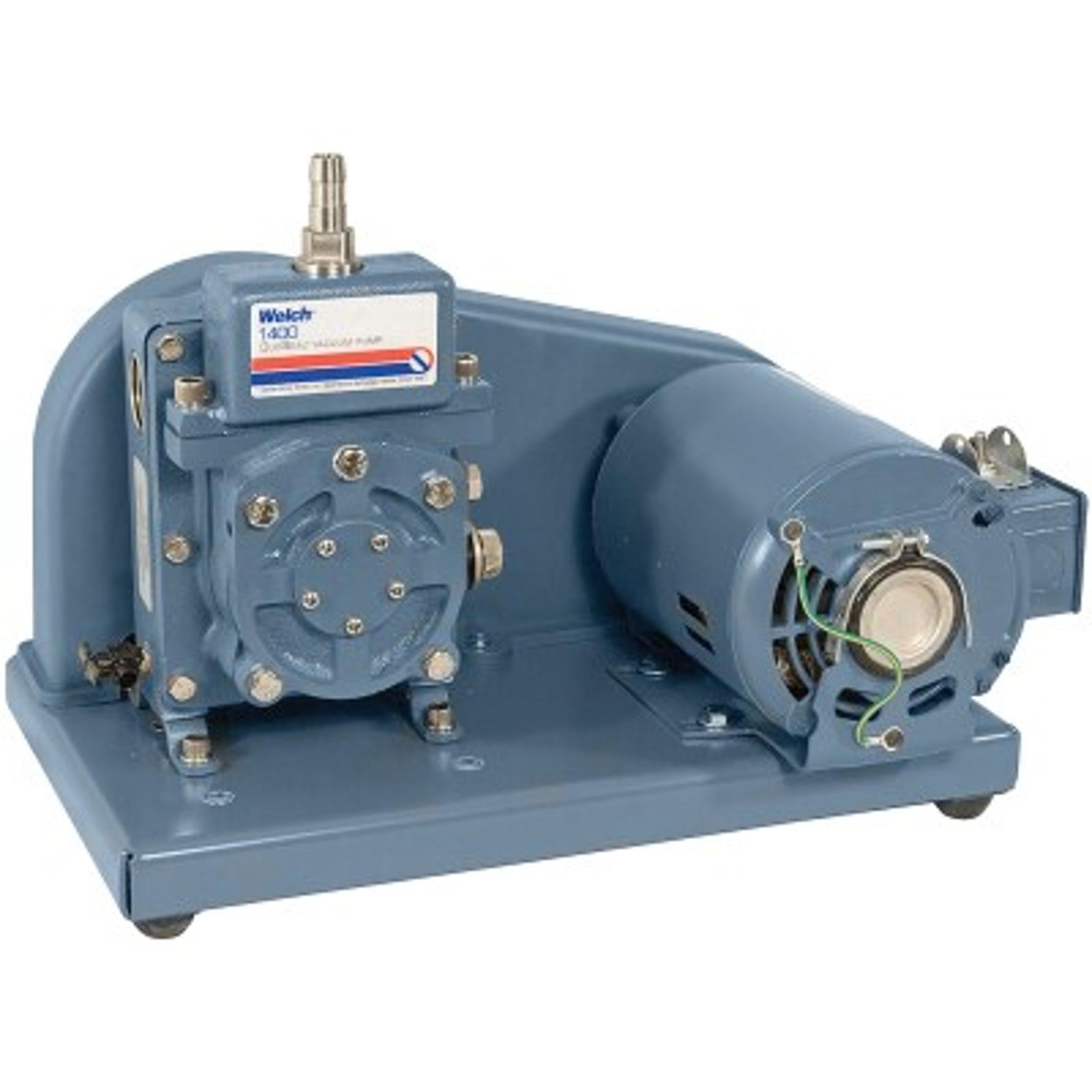
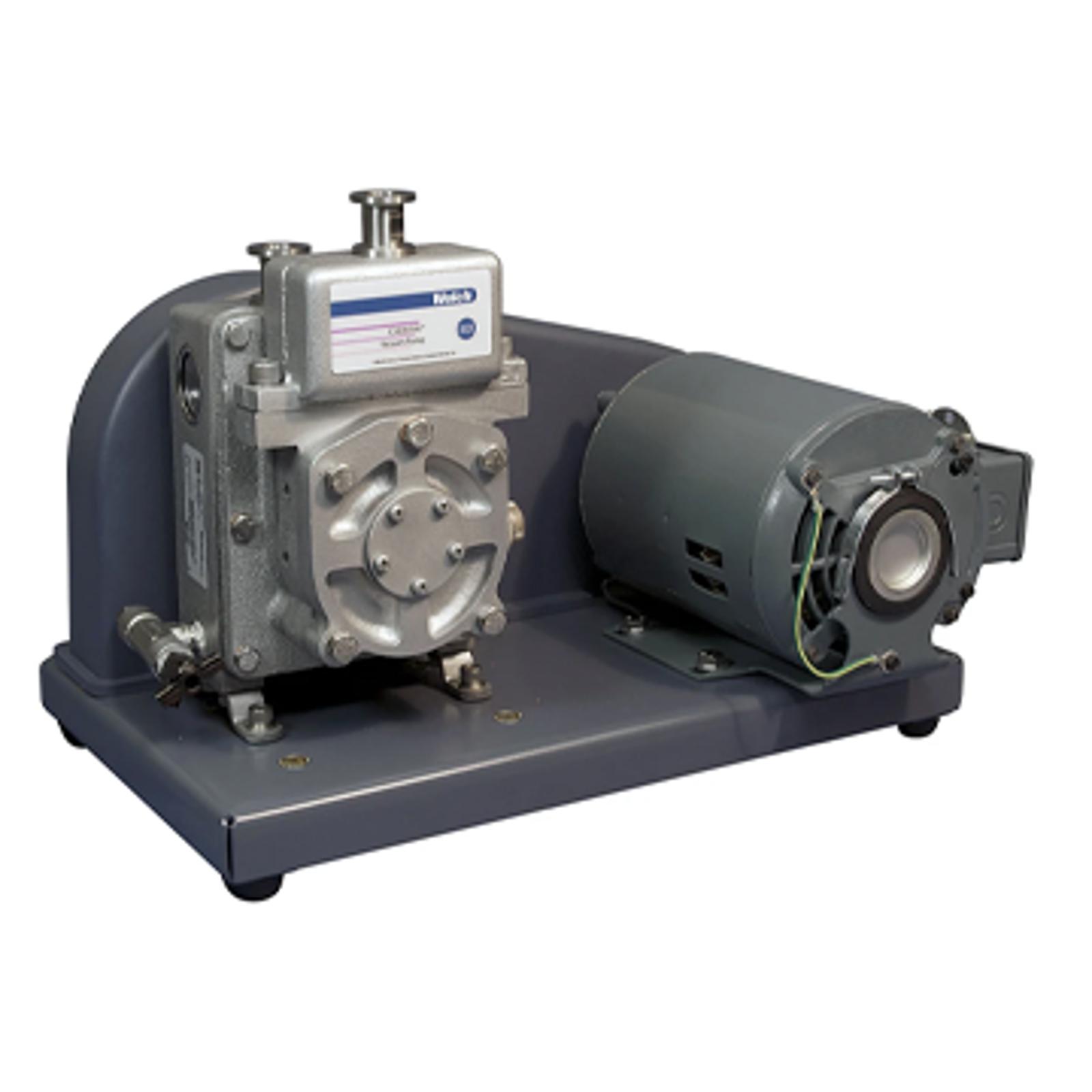
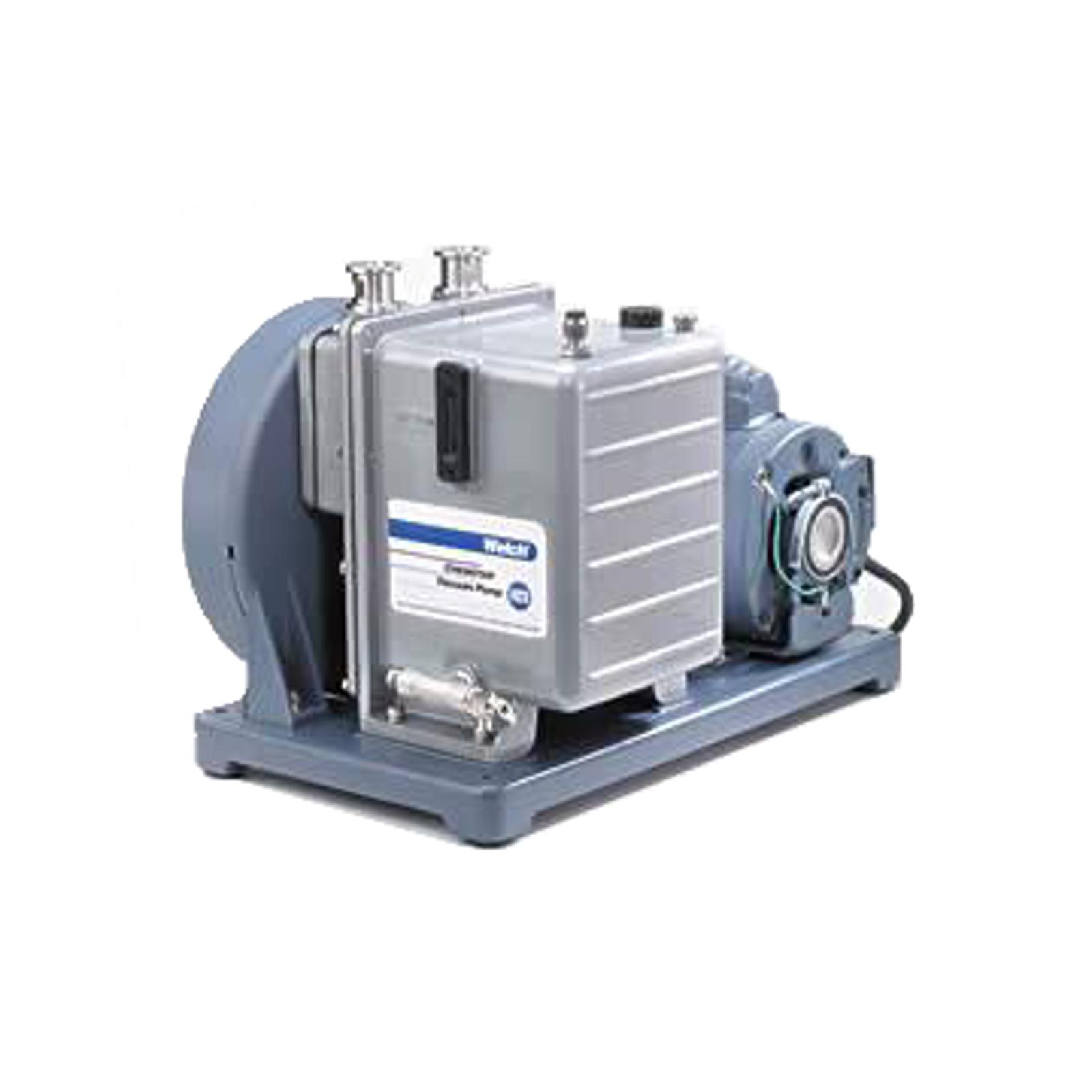
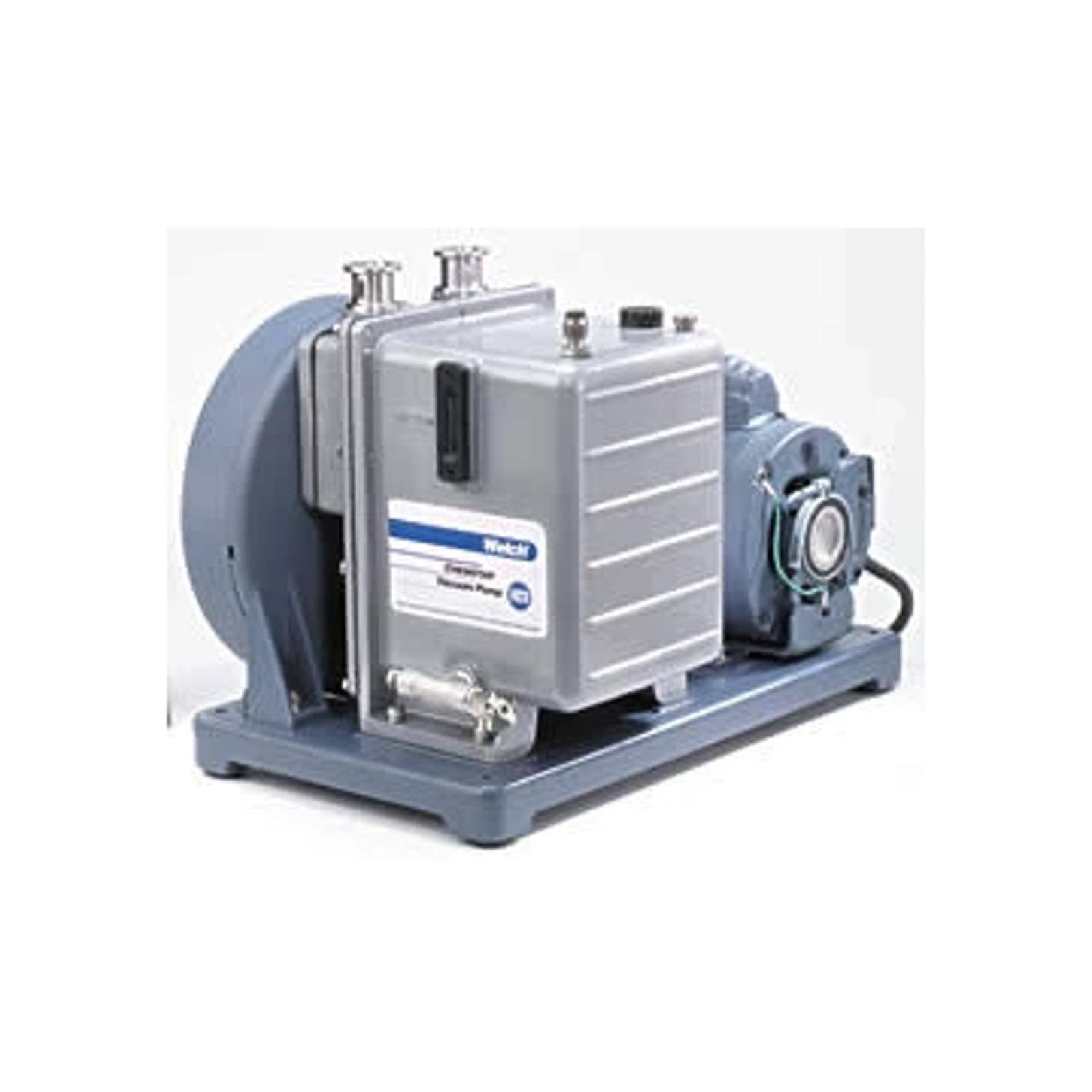
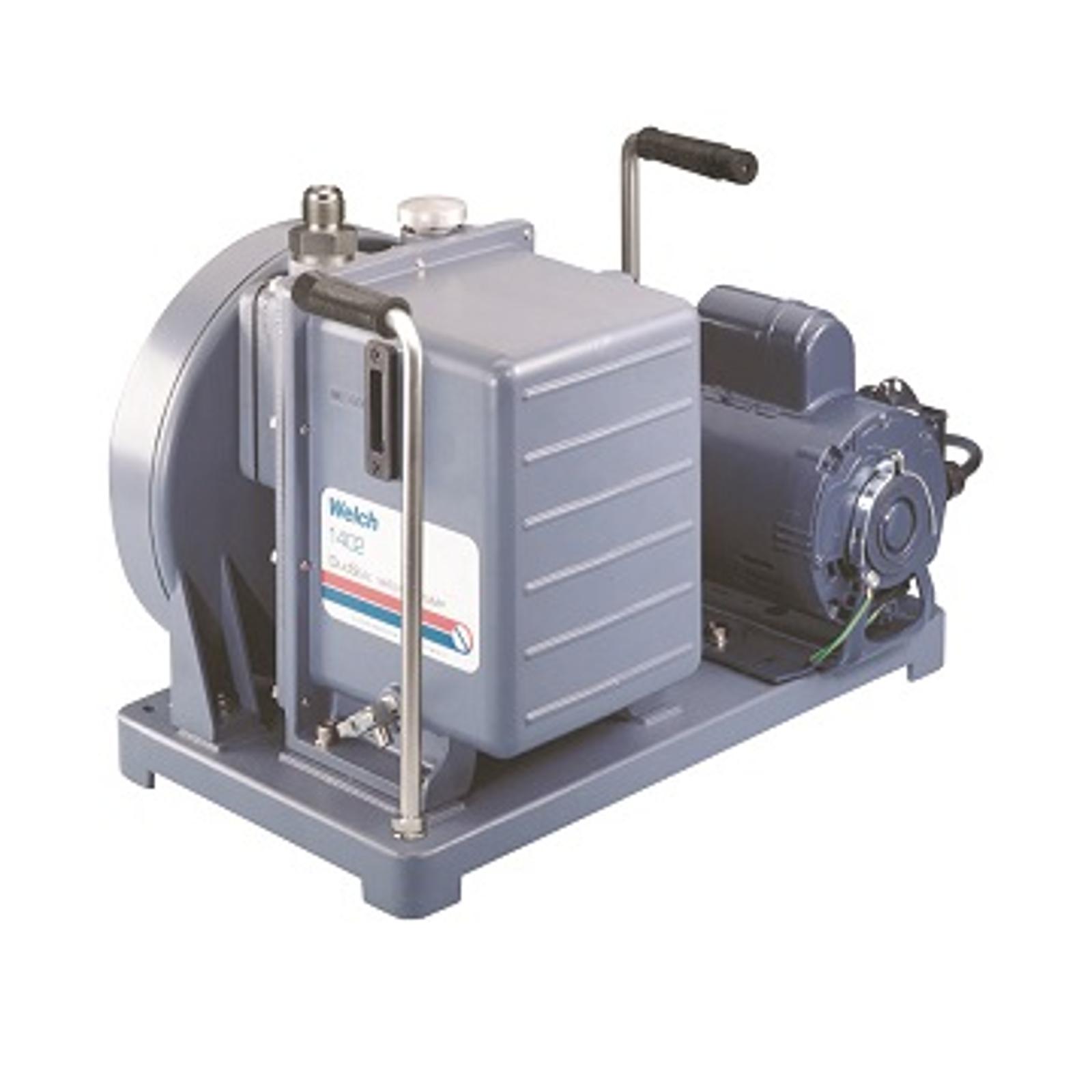
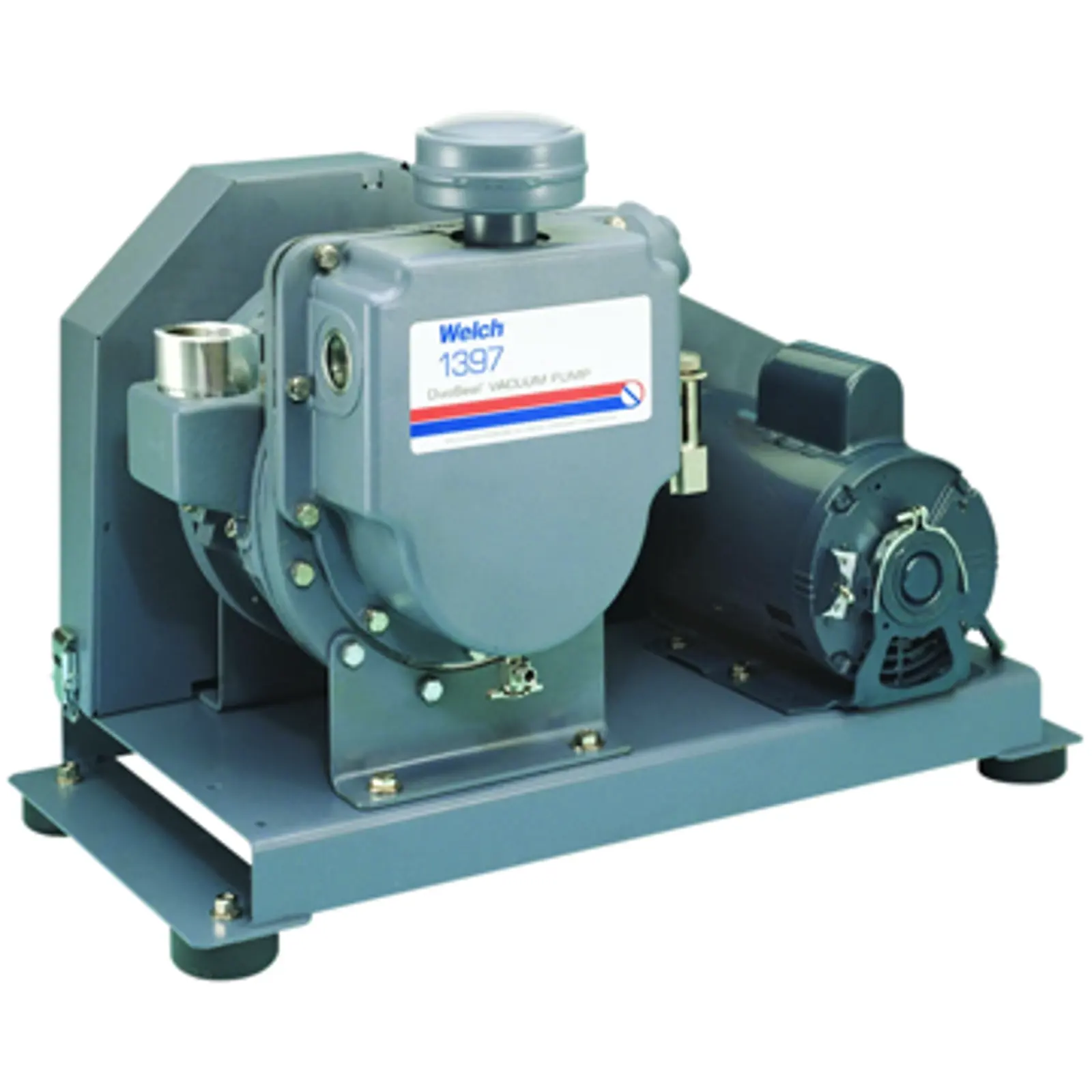
A belt-driven vacuum pump is a rotary vane pump that uses a flexible V-belt to efficiently transfer power from the motor to the pump module. Compared to direct-drive models, belt-driven pumps operate at roughly one-third the speed, reducing wear, lowering operating temperatures, and minimizing oil degradation for longer service life. 

Welch’s belt-driven pumps are engineered for precision and consistent performance. Designed for durability and efficiency, they deliver reliable operations across diverse applications from research laboratories to industrial and academic environments.

Types of Welch Belt-driven Vacuum Pumps

Welch offers a range of belt-driven vacuum pumps, including four main types:

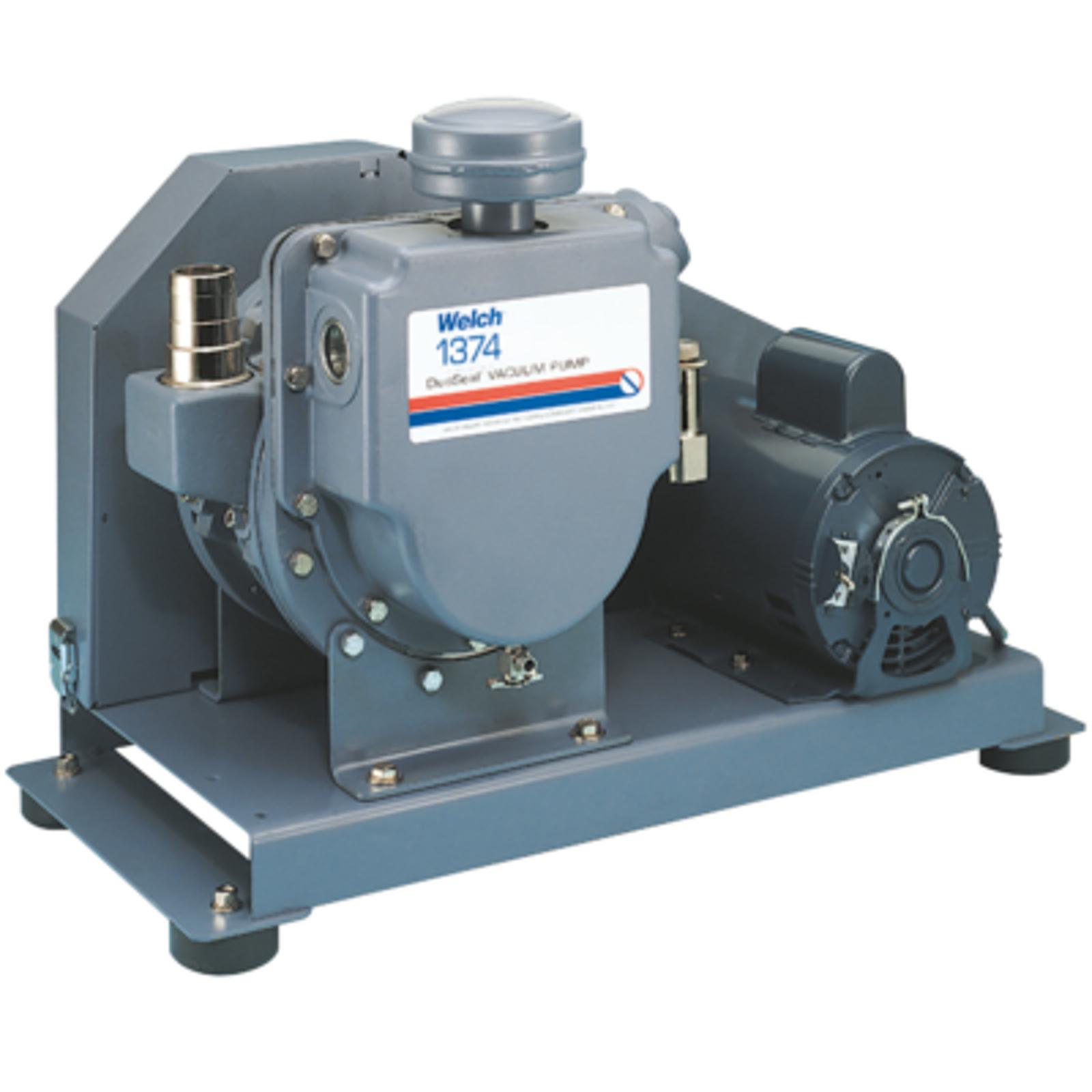
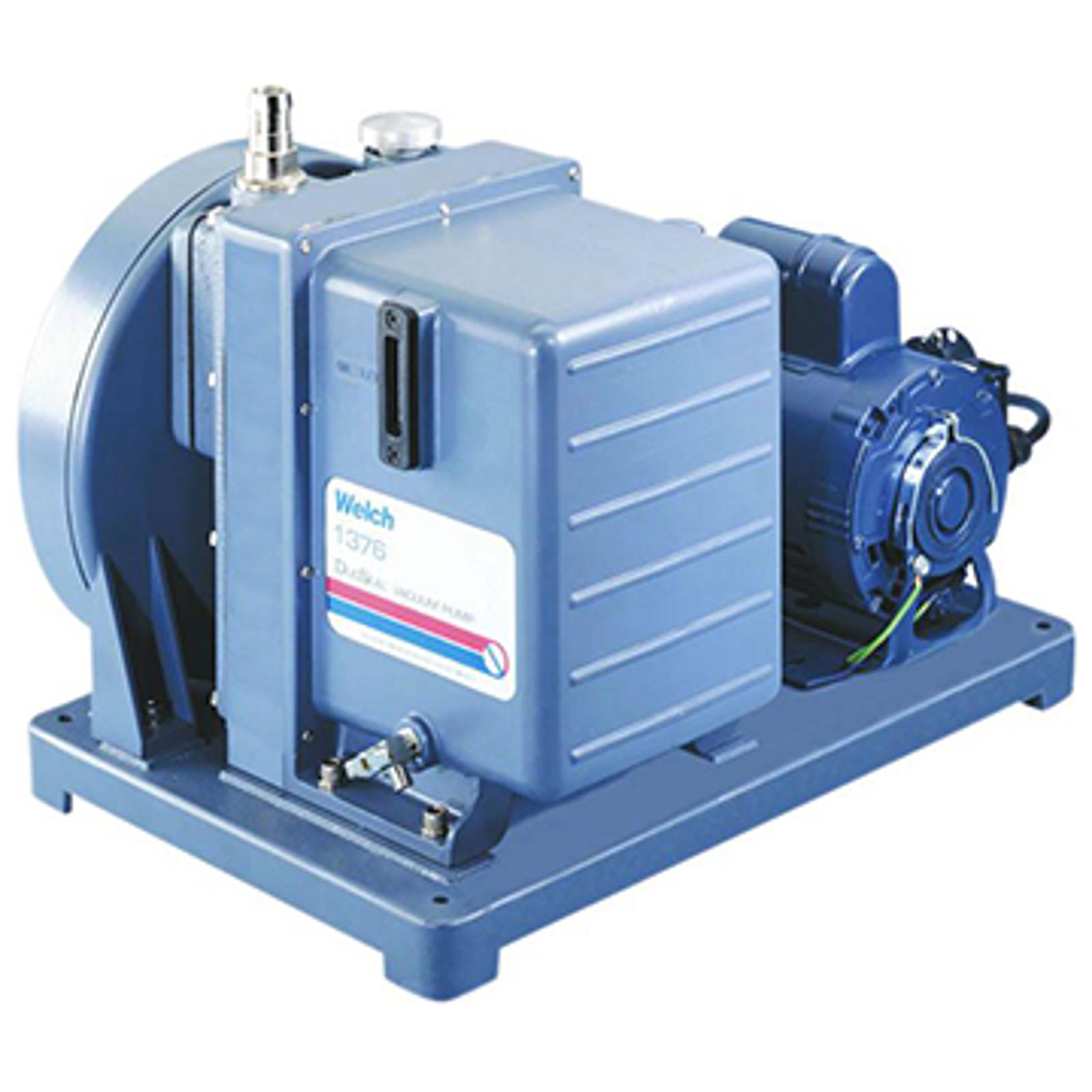
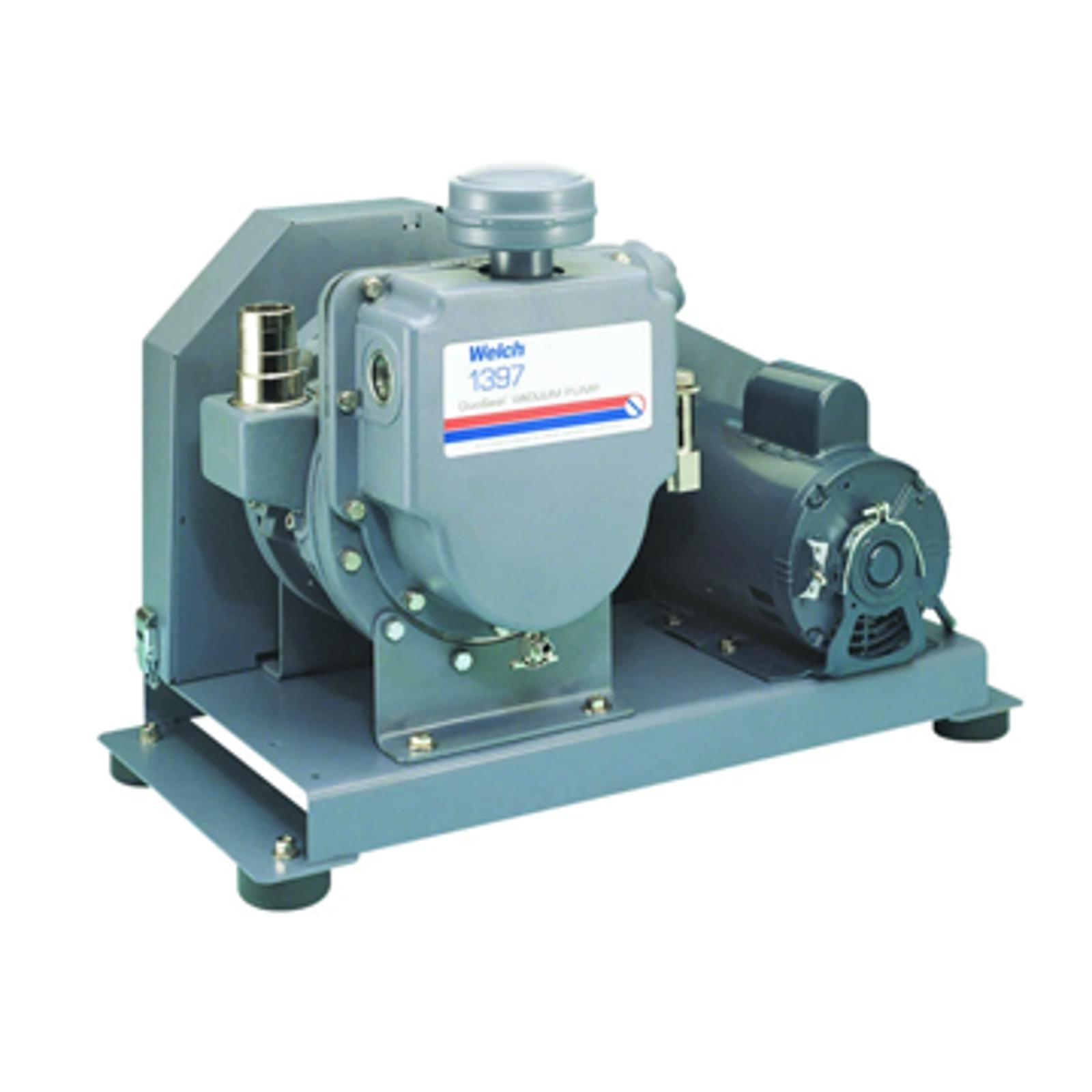
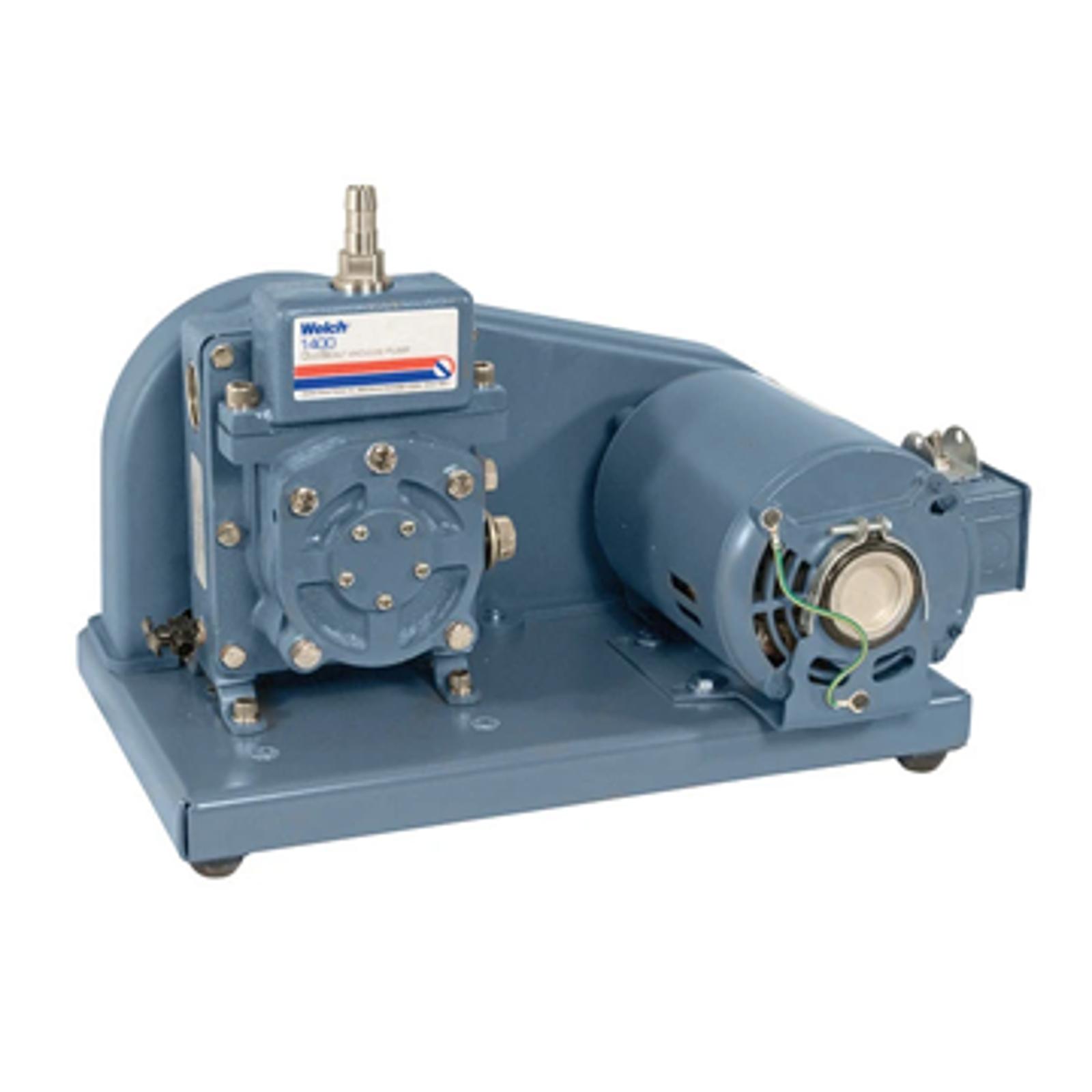
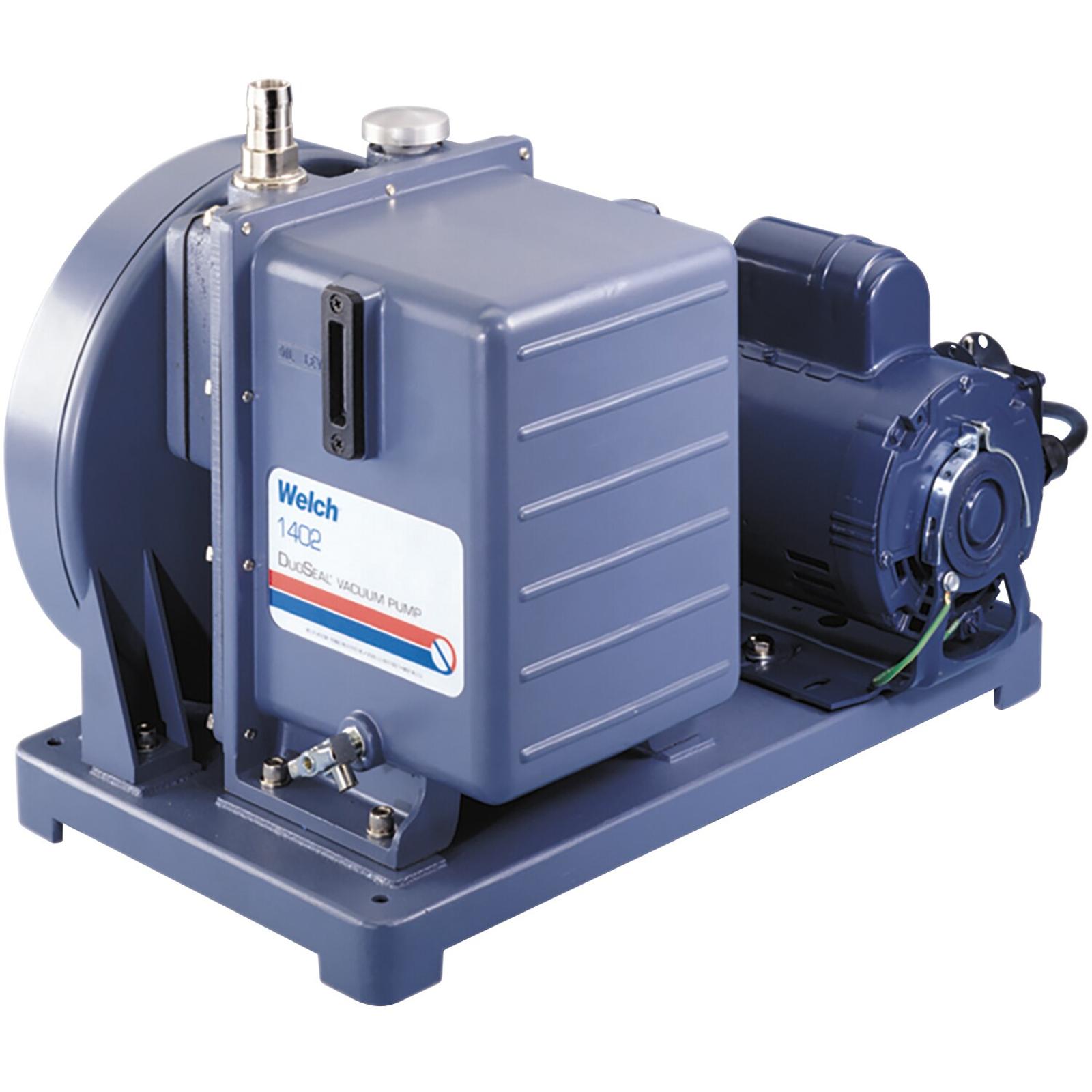
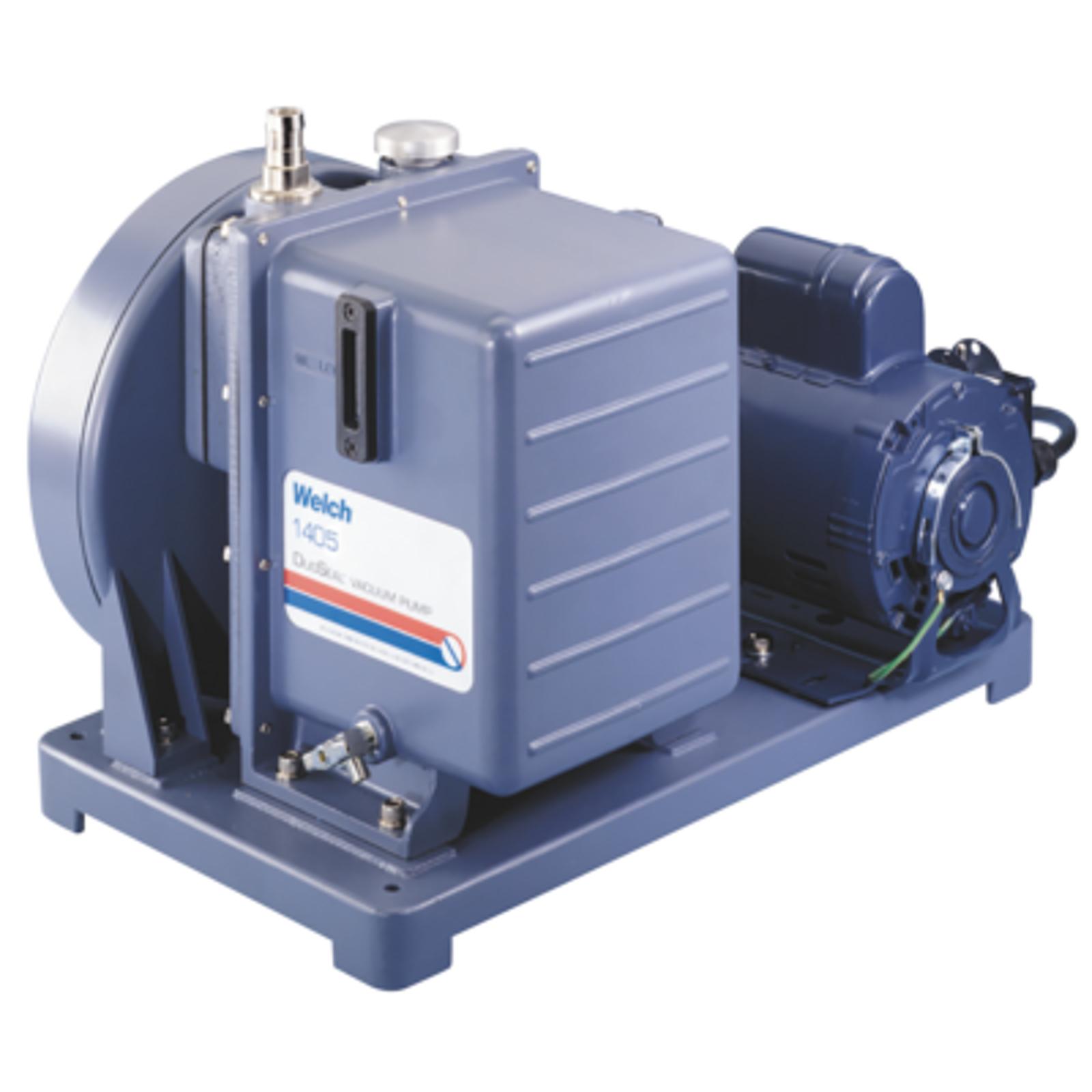
DUOSEAL® Vacuum Pumps

  • Common and versatile, known for low RPM design.
  • Maintains high pumping efficiencies into the low millitorr range.
  • Most DUOSEAL pumps are two-stage, providing a lower ultimate pressure.
  • Utilizes Welch DUOSEAL oil for optimal performance.
Explore our  DuoSeal® brochure to discover product features, performance details, and key advantages of this proven belt‑driven pump technology.

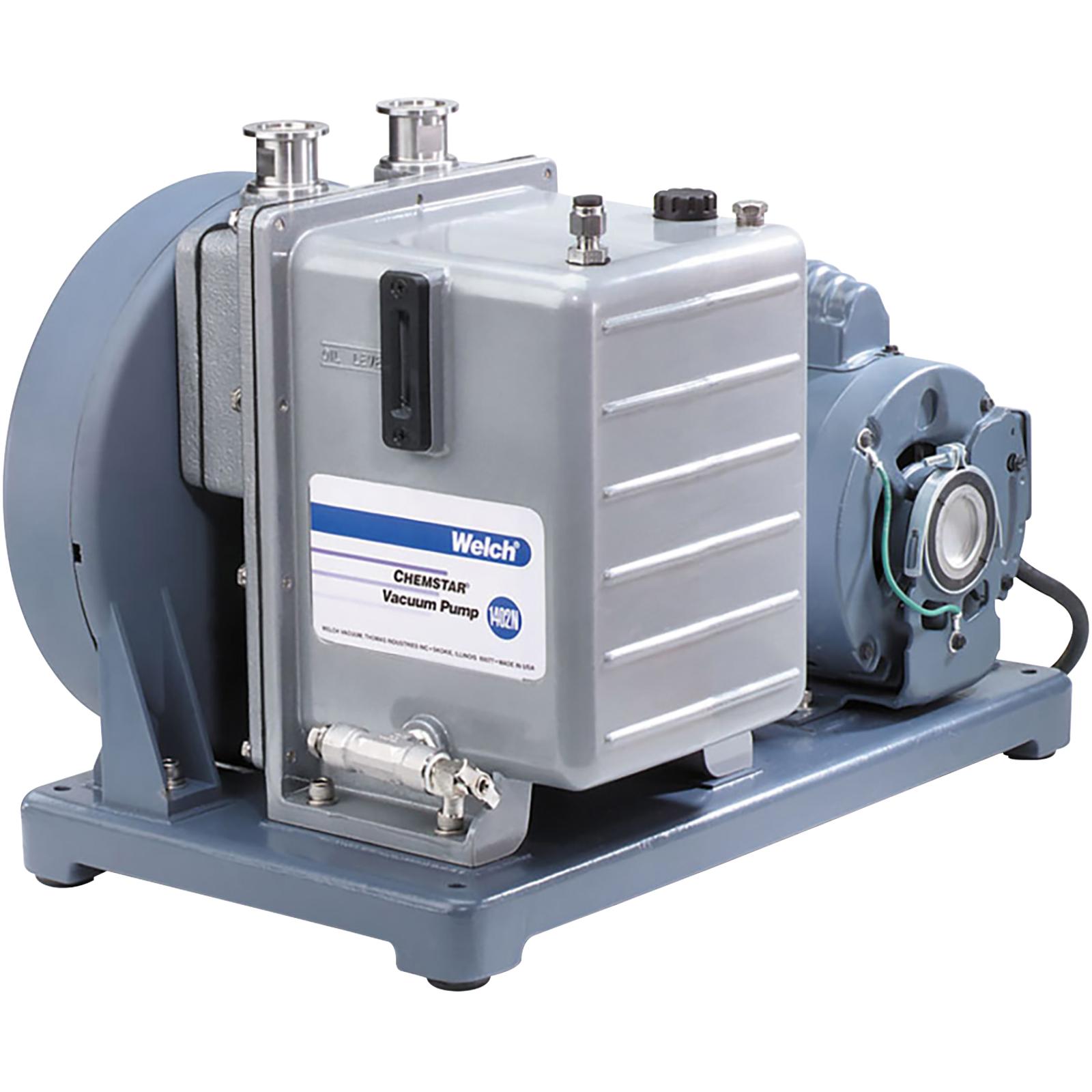
CHEMSTAR® Vacuum Pumps

  • Specially designed for pumping corrosive gases.
  • Features corrosion-resistant components for enhanced durability.
  • Includes an oil bubbler for inert gas purging, extending the pump's service life.
  • Equipped with Welch Gold Oil for resistance to corrosive gases or vapors.

HVAC Service Vacuum Pumps

  • Proven performers in HVAC applications.
  • Low pump RPM ensures a long service life.
  • Large oil reservoir dilutes contaminants, providing deep vacuum for fast evacuation and dehydration.
  • Comes with refrigeration intake fittings for easy attachment to HVAC systems.

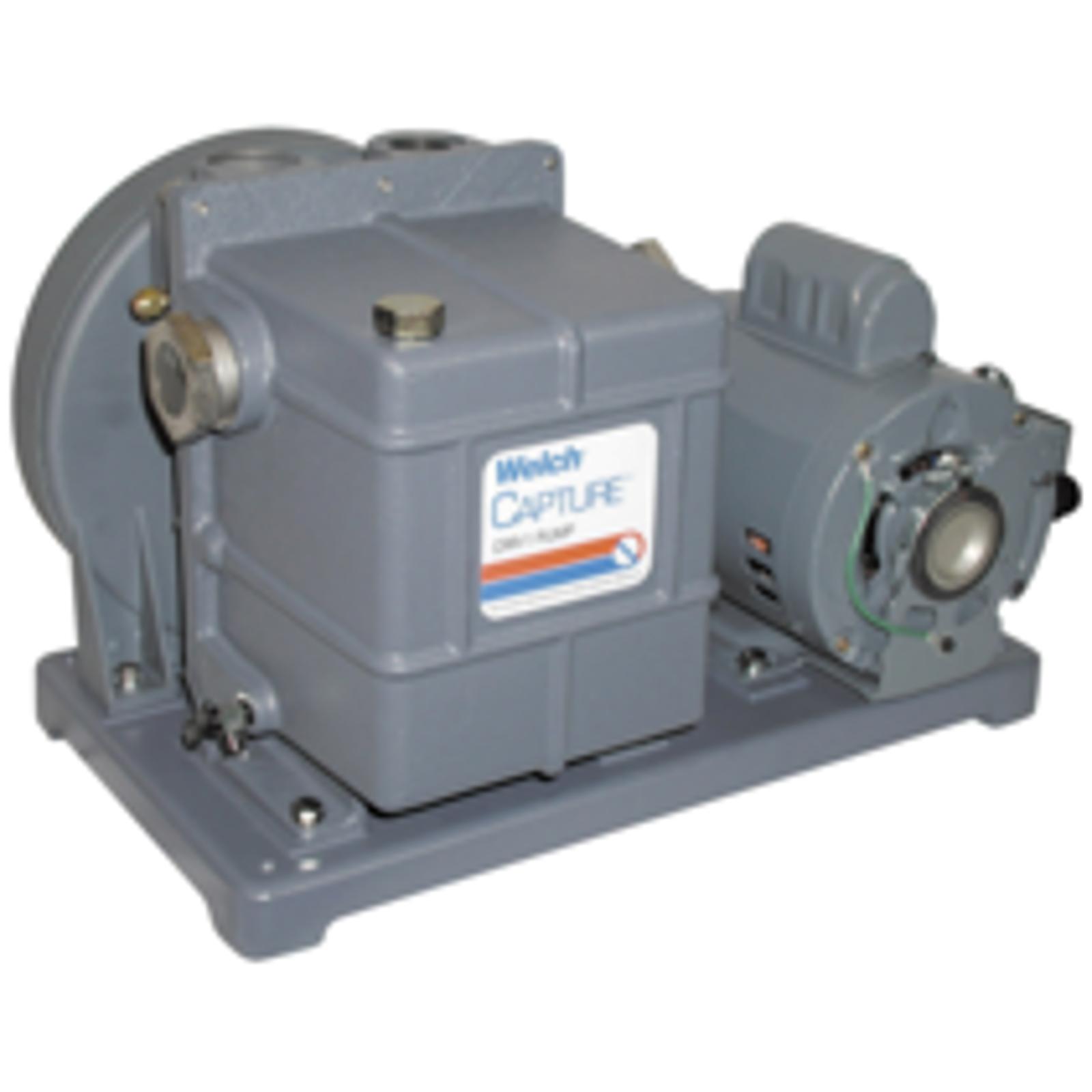
CAPTURE Pump (Model CRR-1A)

  • Specifically designed for low-pressure refrigerant recovery and recycling systems.
  • Ductile iron oil case allows maximum boosting of refrigerant vapor.
  • Accommodates evacuation pressures greater than 29.9 in. Hg.
  • Comes with DUOSEAL oil for optimal oil separation.

Welch Essential Accessories for Your Belt-driven Vacuum Pumps 

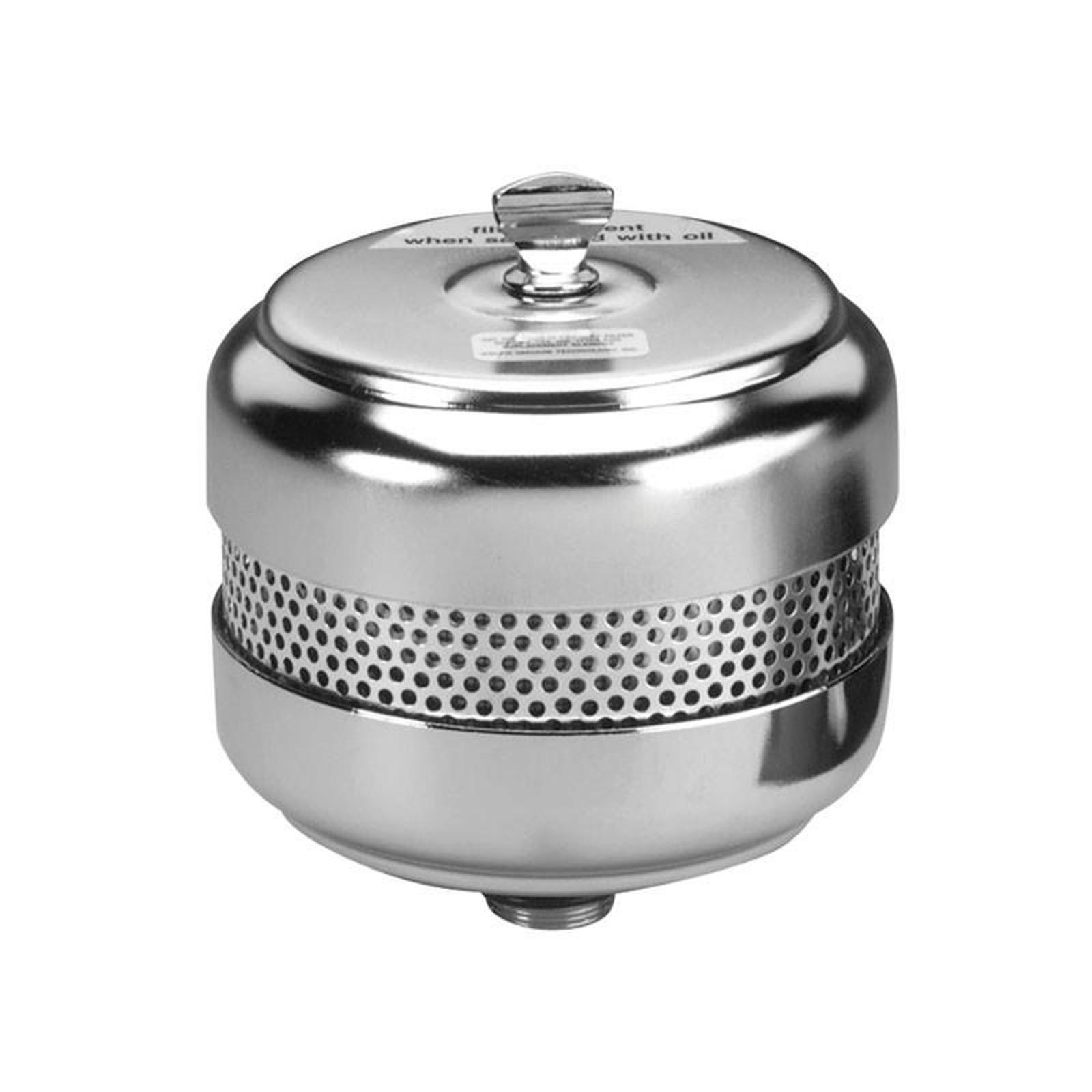
welch also provides the system add-ons that further protect your pump and your environment. Select the equipment that augments your vacuum system needs – traps, oil mist eliminators, and system components. 

ChemStar® are delivered with Gold Oil, motor overload protection, gas ballast valve, hinge clamp ring, centering ring, hose connector and ready to use after oil filling. 


Welch vacuum pump oil is specifically formulated for the unique needs of vacuum pumps. Use of non-Welch vacuum pump oil voids any performance claims and product warranties. 

  • In Duoseal belt driven rotary vane pumps, use Welch Duoseal or Welch Gold Oil
  • In CRVpro rotary vane pumps use Welch premium or Welch gold oil
  • In Chemstar belt driven rotary vane pumps use Welch gold oil

Welch Belt-driven Vacuum Pumps Applications

Belt-driven vacuum pumps find common applications in laboratory, industrial, and HVAC settings where extended service life is crucial. Some key uses include: 

Schlenk Line (Vacuum Manifold) 

  • Widely used in organic and inorganic laboratories.
  • Ideal for achieving low ultimate pressure in the final drying step of samples from a rotary evaporator.
  • Suitable for manipulating oxygen and water-sensitive compounds.
  • Recommendations include a cold trap and an acid neutralization trap, particularly when dealing with strong acids.
  • Larger capacity pumps may be required for optimal performance.

Glove Box Transfer Chamber 

  • Effective in high-purity atmosphere metal glove boxes.
  • Draws a deep vacuum in the transfer chamber before backfilling with dry nitrogen.
  • Ideal for rapid cycling.

Refrigeration Servicing 

  • Known for providing a deep vacuum for quick evacuation and dehydration of HVAC systems.
  • Enables efficient and swift completion of servicing tasks.

Vacuum Oven Drying 

  • Well-suited for applications requiring sample drying, back-out, and curing to low millitorr range with short cycle times.
  • Recognized for durability and ruggedness in vacuum oven applications.
  • An in-line cold trap is recommended when pumping chemical vapors.

Freeze Drying for Corrosive Vapors 

  • Tolerant of chemical contamination due to the design of belt-driven vacuum pumps.
  • Using a synthetic hydrocarbon oil, such as Gold oil, provides resistance to chemical attack.

Roughing Vacuum Chambers 

  • Selected based on the type and free air displacement needed for evacuating chambers, annular spaces, and transfer lines.
  • Pumping capacity determined by the rule of thumb (1 to 1.5 times the volume of space).
  • Chosen for fast pumping speed below 100 millitorr.

FAQs

A belt-driven vacuum pump is a mechanical system utilizing a flexible V-shaped belt to efficiently transmit mechanical power from the motor to the vacuum pump module. Distinguished by its approximately 1/3 slower rotational speed compared to direct-driven vacuum pumps, this design offers multiple benefits. 
These include minimized friction and wear on internal rotary vane components, leading to extended service intervals and a longer pump lifetime. The reduced rotational speed also results in cooler pump operation, approximately 20°F lower than many high RPM direct-driven vacuum pumps, mitigating chemical activity within the pump and reducing rates of oil consumption. 
Furthermore, the slower rotational speed allows for an extended gas-filling time in the internal pump cavity during rotation, enhancing pumping efficiency and facilitating shorter pump-down times for vacuum chambers to achieve low millitorr pressures.