Products
Vacuum Pumps
welch-logo.png

What Is a Vacuum Leak?

A vacuum leak is any unintended opening that allows gas to enter a vacuum system, preventing it from reaching or maintaining the required vacuum level. Even very small leaks can cause pressure instability, longer pump down times, and reduced system performance. In vacuum technology, no system is perfectly sealed; what really matters is ensuring that any leakage is small enough not to interfere with the system’s performance.

red pipe leaking icon

Common Causes of Vacuum Leaks

  • Worn or damaged O-rings, gaskets, and seals
  • Microcracks or porosity in metal parts, welds, or glassware
  • Hoses that have hardened or cracked
  • Misaligned or overtightened flanges and fittings
Red warning sign

Signs Your System Has a Leak

  • Inability to reach the expected ultimate pressure
  • Pump down curve slower than normal
  • Hissing sounds or visible wear on hoses and seals
  • Pump working harder than usual or overheating

How to Detect a Vacuum Leak (Step-by-step) 

Leak detection relies on observing how a system behaves once a vacuum has been created. With the help of a Welch pump, the chamber is evacuated and isolated. If vacuum performance decreases over time, this indicates the presence of a leak or internal outgassing.  


Perform Visual & Mechanical Checks  

Start by inspecting hoses, clamps, connectors, seals, and flanges. Look for cracks, brittleness, deformation, or poor clamp contact. Even small mechanical imperfections can introduce leaks.  

Use Pump Down or Pressure Rise Testing  

  • Pressure rise test: Pump the chamber down, isolate it, and monitor the pressure increase over time. A rising pressure profile indicates a leak or internal outgassing. 
  • Pump down comparison: Compare your actual pump down curve to the expected one. Poor performance often indicates leakage or restricted flow. 


Confirm With a Vacuum Leak Detector  

A vacuum leak detector, commonly a helium mass spectrometer detector, is the most accurate tool for identifying very small leaks.   

To accurately confirm the presence of a vacuum leak, the system must first reach a stable vacuum level. This is where Welch vacuum pumpsplay a critical role: they create the controlled low-pressure environment required for reliable leak checks. Once the pump establishes the correct vacuum, any leak detection method used on the system, whether basic pressure rise testing or an external helium based test, can operate effectively and provide meaningful results.  


Accuracy and Expectations During Leak Checks  

The accuracy of any leak check depends on how well the system holds the vacuum created. A properly functioning Welch pump ensures:  

  • Fast and consistent pump down 
  • A stable base pressure 
  • Repeatable test conditions 

This makes it easier to judge whether pressure changes are caused by real leaks or by other factors (e.g., contamination, outgassing, or insufficient evacuation).  

Vacuum Leak Detection Methods

Direct vs Indirect Leak Detection 


Indirect methods: pressure rise tests, decay tests, soap bubble tests. These detect the presence of leaks but not the exact location. 


Direct methods: helium tracer gas testing, which allows precise localization and quantification of leaks. 

Vacuum Leak Detectors: Types & When to Use Them

For applications requiring very low pressures and high accuracy, helium mass spectrometer leak detection is the most reliable choice. For simpler systems or gross leaks, ultrasonic or soap based methods may suffice. 

Helium red symbol

Helium mass spectrometer leak detectors

Highest accuracy for small leaks 

red speaker icon

Ultrasonic detectors

 for atmospheric or positive pressure components 

detector icon dark

Gas specific detectors

for systems tested with alternative tracer gases 

Common Leak Points in Vacuum Systems 

red rubber hose

Hoses, Clamps & Connections

Hoses degrade from heat, chemical exposure, and mechanical stress. Incorrect clamp pressure or distortion can create leak paths.  

Red Valve icon

Pump Seals, Valves & O-rings 

Pump shaft seals, valve stems, and O-rings flatten or crack over time, becoming common sources of leaks.

Red flange icon

Chambers, Flanges & Glassware 

Flange surfaces must be clean and aligned. CF copper gasket seals provide excellent performance when properly installed. Glass components can develop microcracks from stress or thermal shock. 

Troubleshooting: When You Can’t Reach Ultimate Pressure

Leak vs Outgassing: Key Differences

  • Leak: continuous gas ingress from outside the system 
  • Outgassing: release of trapped internal gases; decreases over time 
    A pressure rise test helps distinguish between the two. 
Red checklist

Quick Diagnostics Checklist

  • Inspect hoses, clamps, seals, and flanges 
  • Run a pressure rise test 
  • Confirm with helium leak detection 
  • Clean or service pumps if contamination is suspected 
red pipe leaking icon

How Leaks Affect Pump Down Time

Leaks introduce a constant gas load, flattening the pump down curve and making it impossible to reach low pressures. Vacuum decay testing often provides clearer results than pressure decay.

Welch Products for Leak Detection

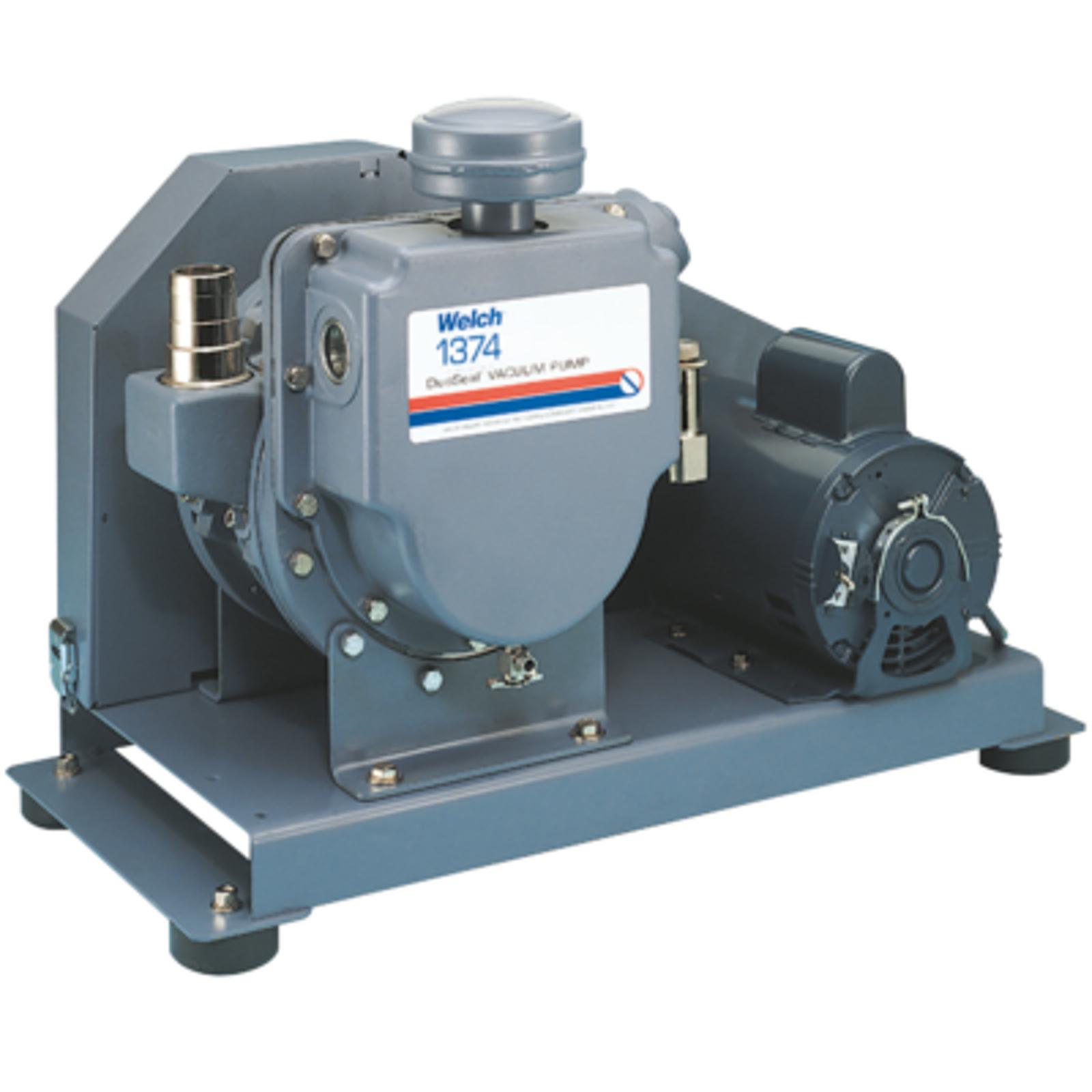
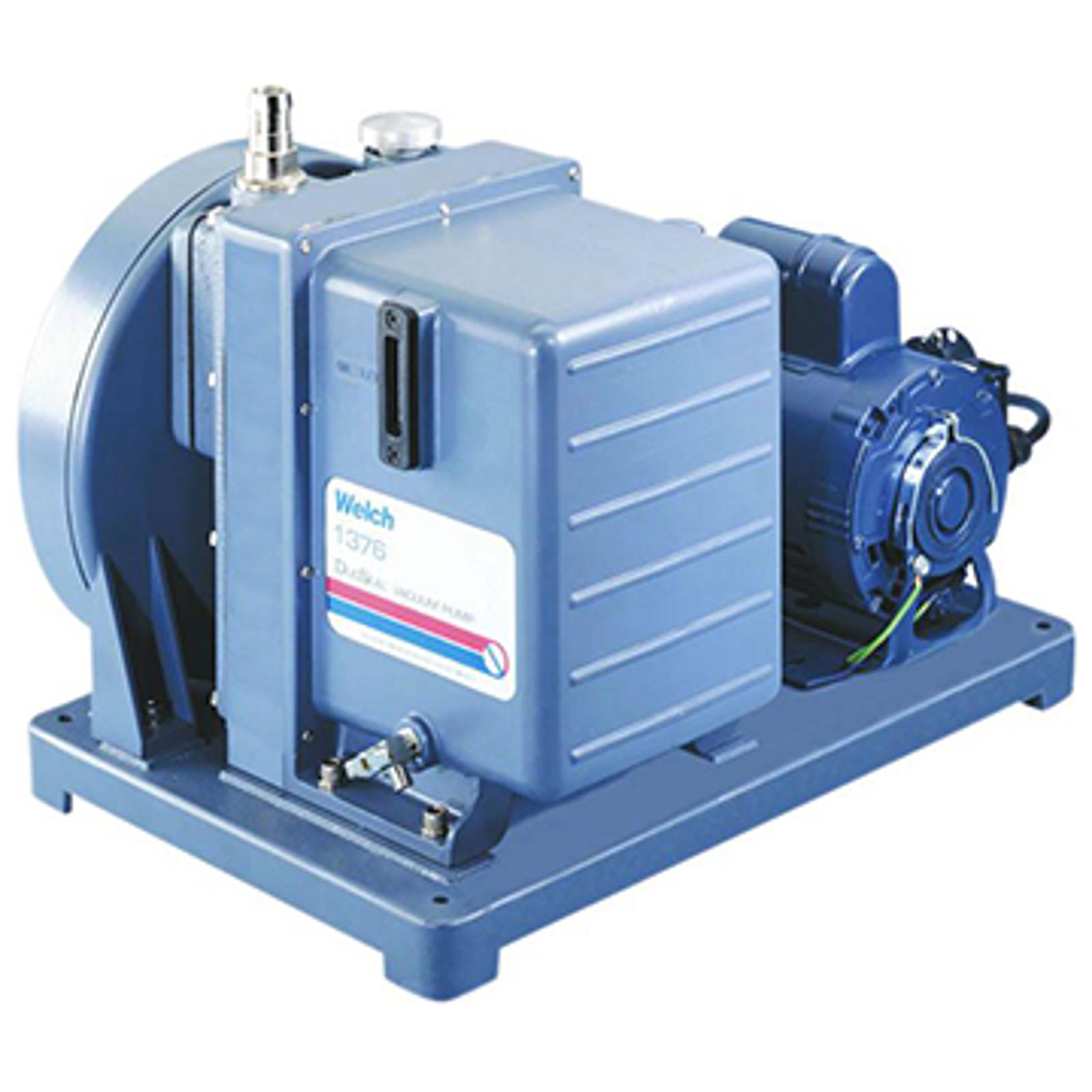
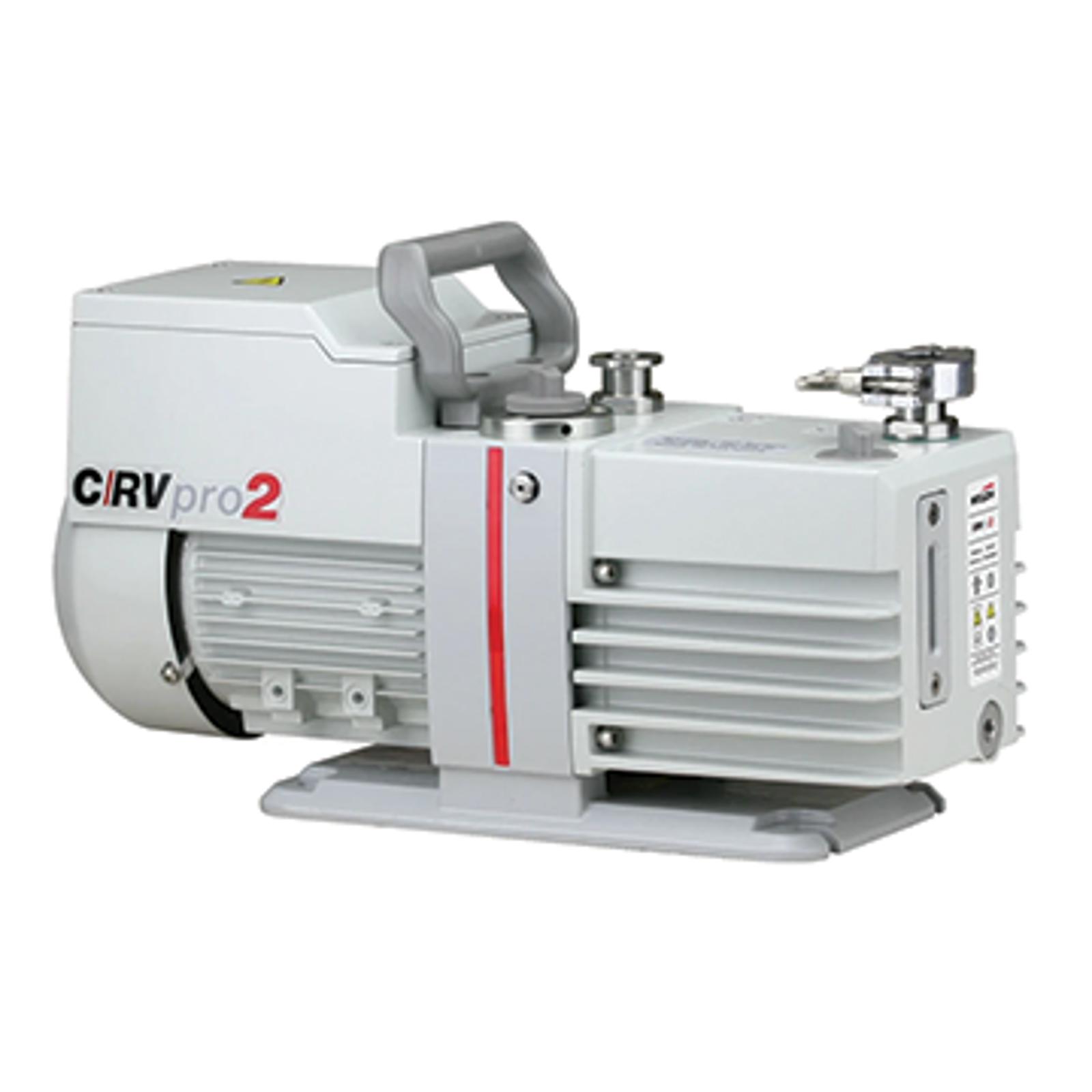
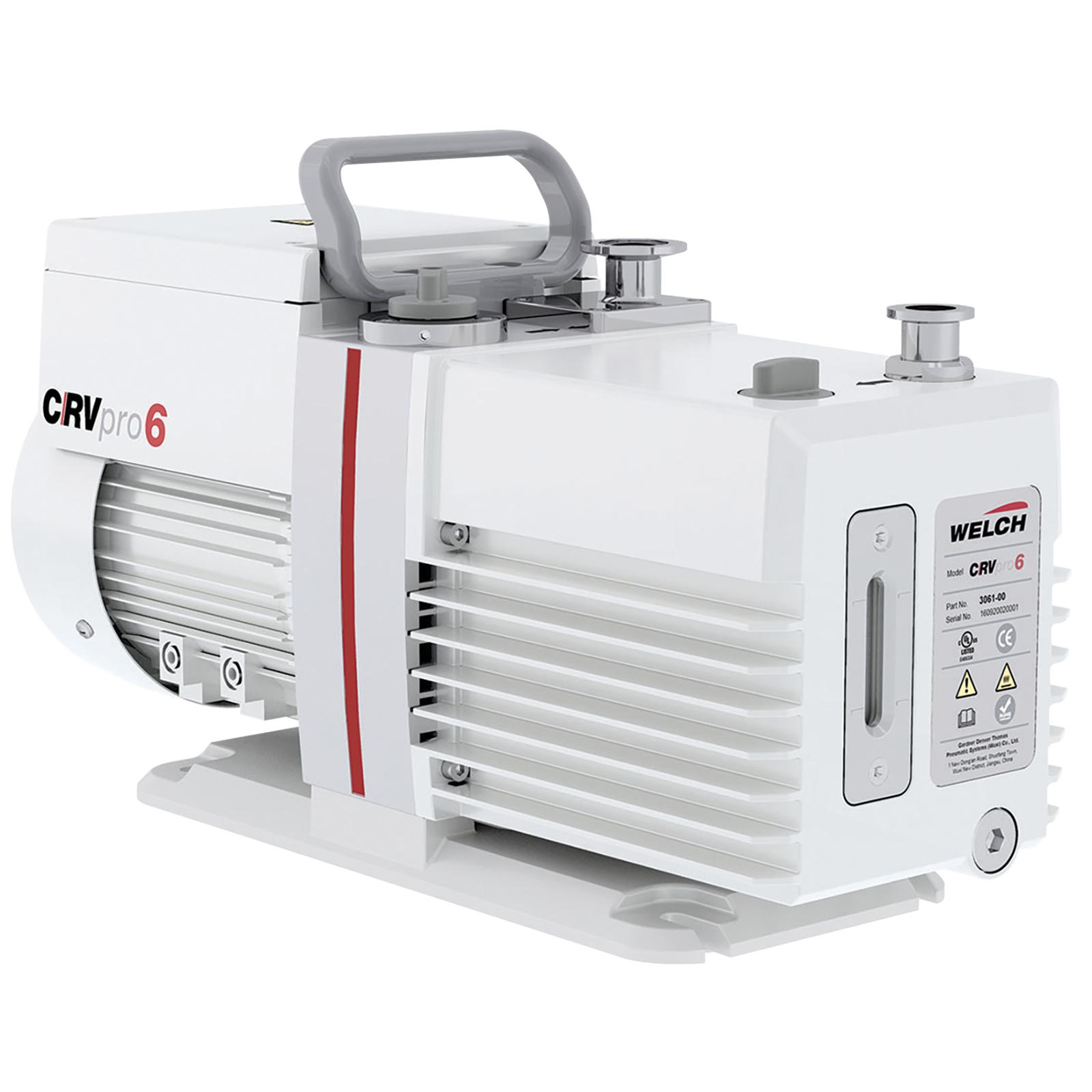
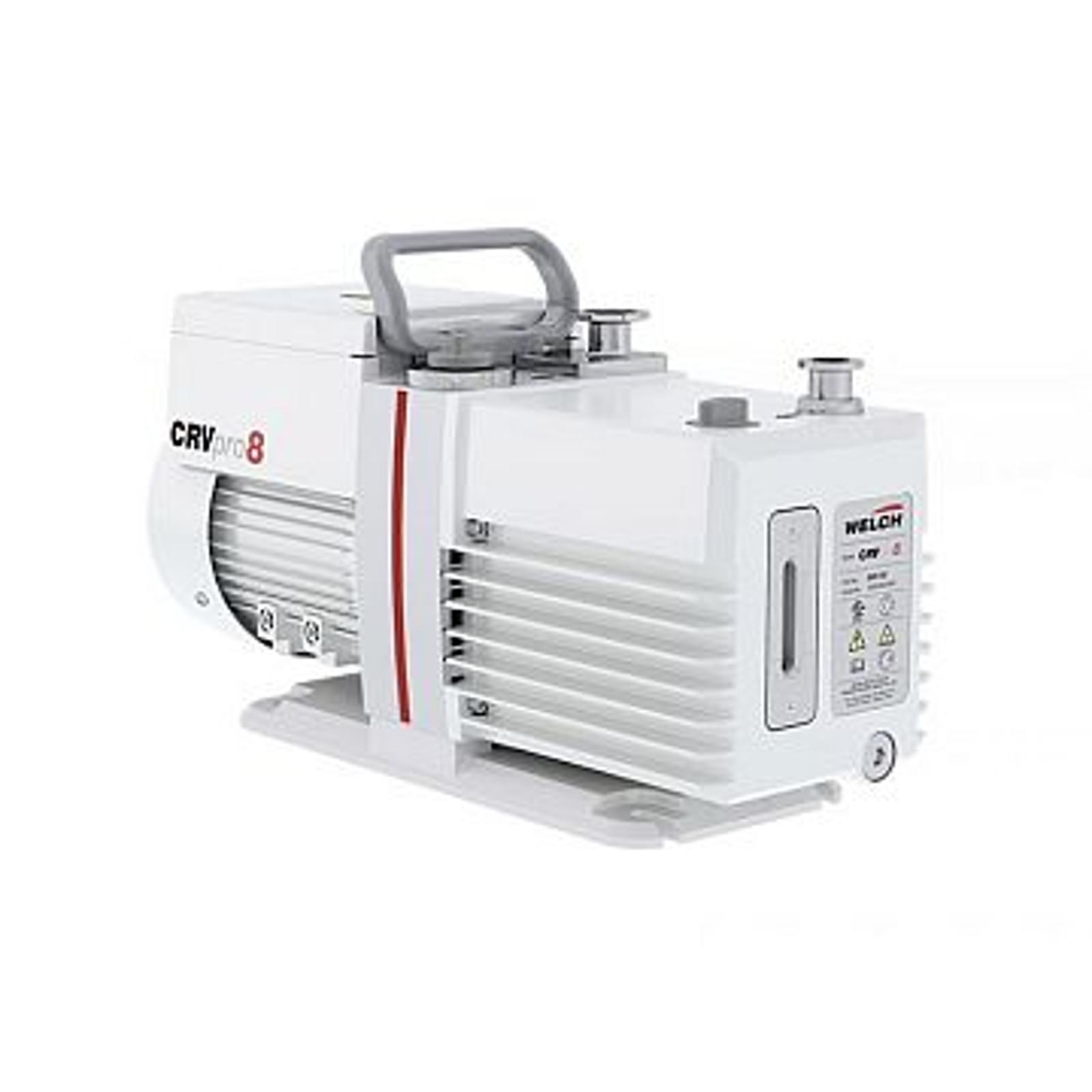
Welch provides vacuum pumps specifically designed for leak testing workflows. These pumps deliver stable vacuum levels essential for accurate and efficient leak detection. Our range of equipment features advanced helium, hydrogen, vacuum, and refrigerant leak detection systems, along with many other solutions designed for a wide array of industries and applications.  

Applications include laboratory equipment, pressure vessel components, housings, and various sealed products requiring reliable verification.

FAQs on Vacuum Leak Detection

By combining visual inspection, pressure rise testing, and final confirmation with a helium vacuum leak detector.