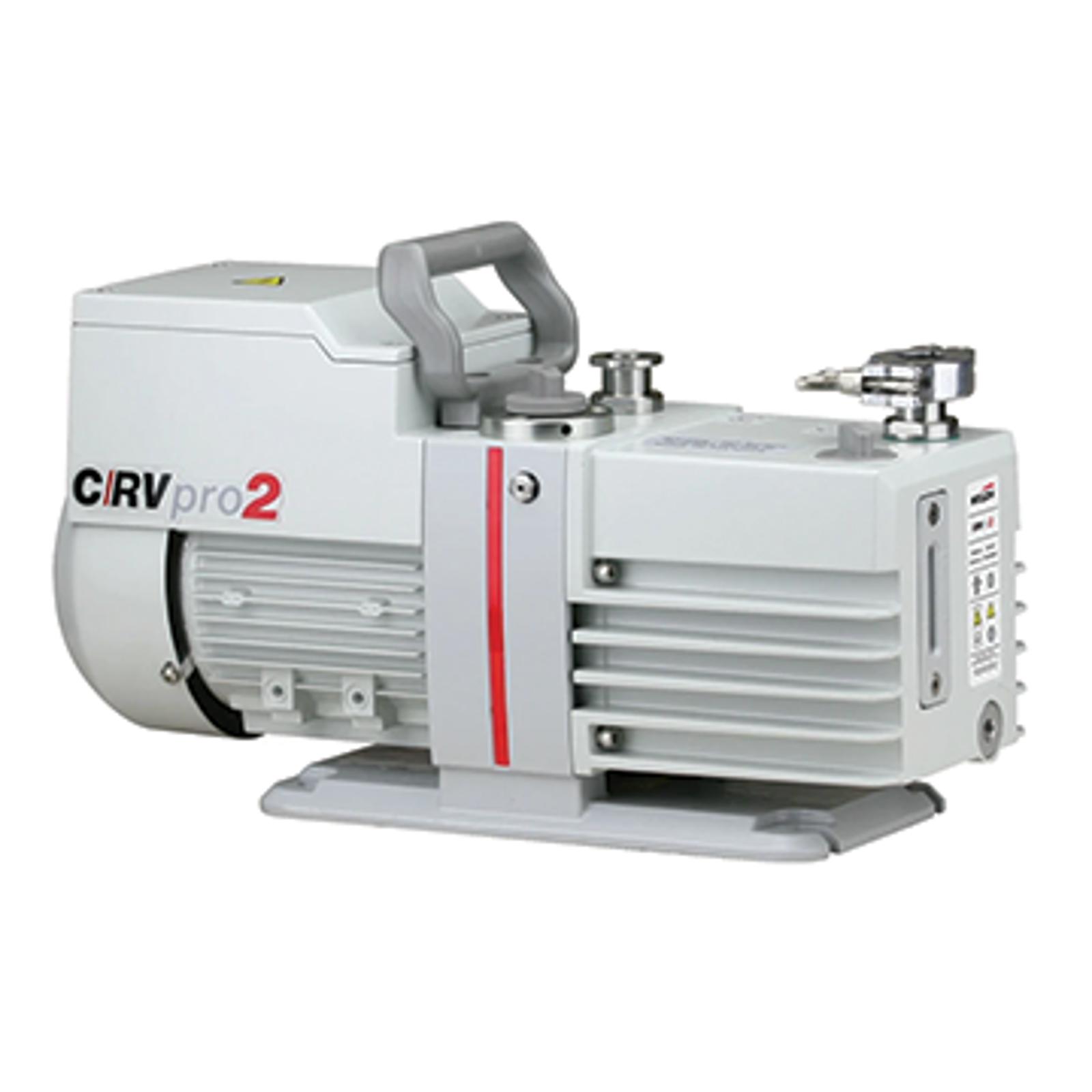
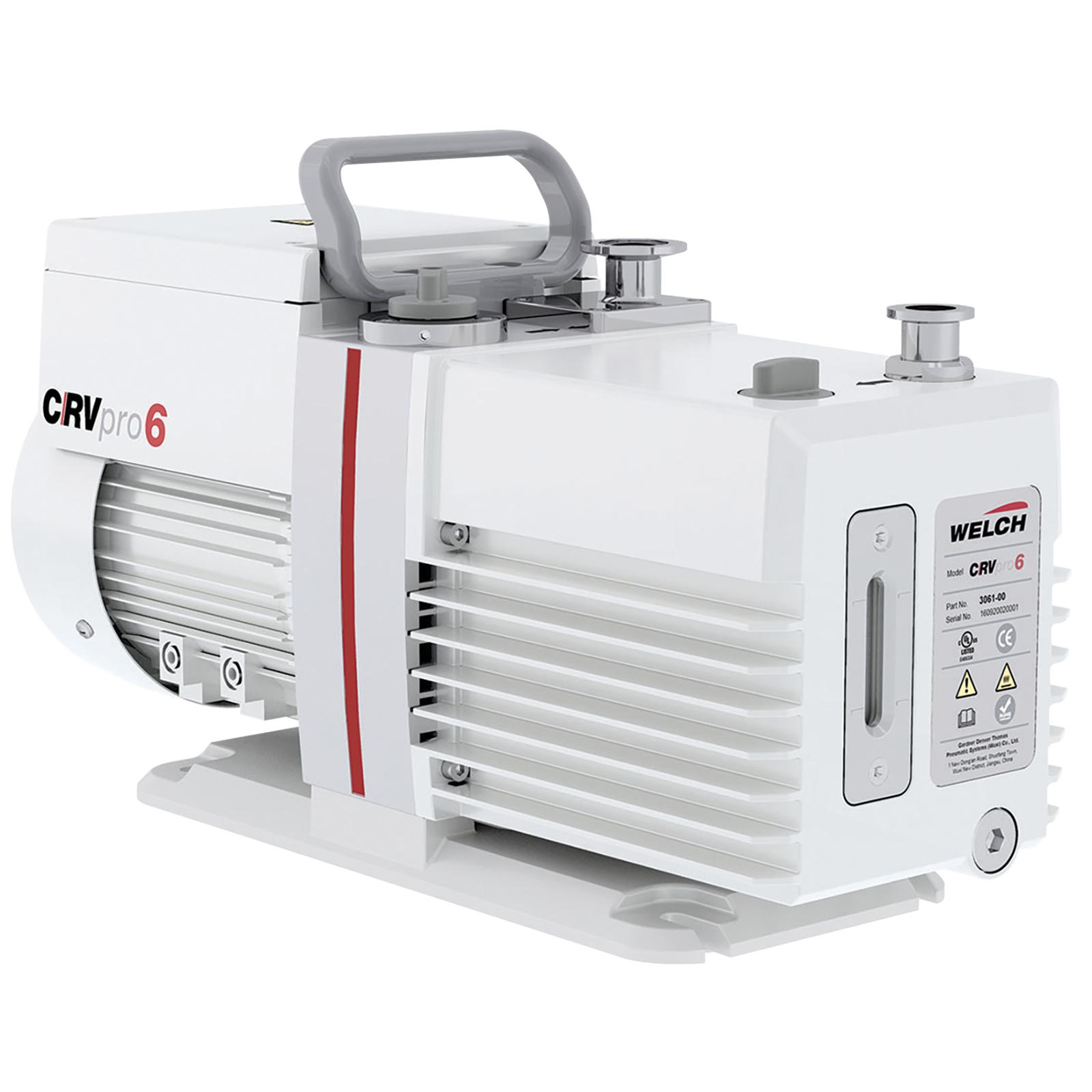
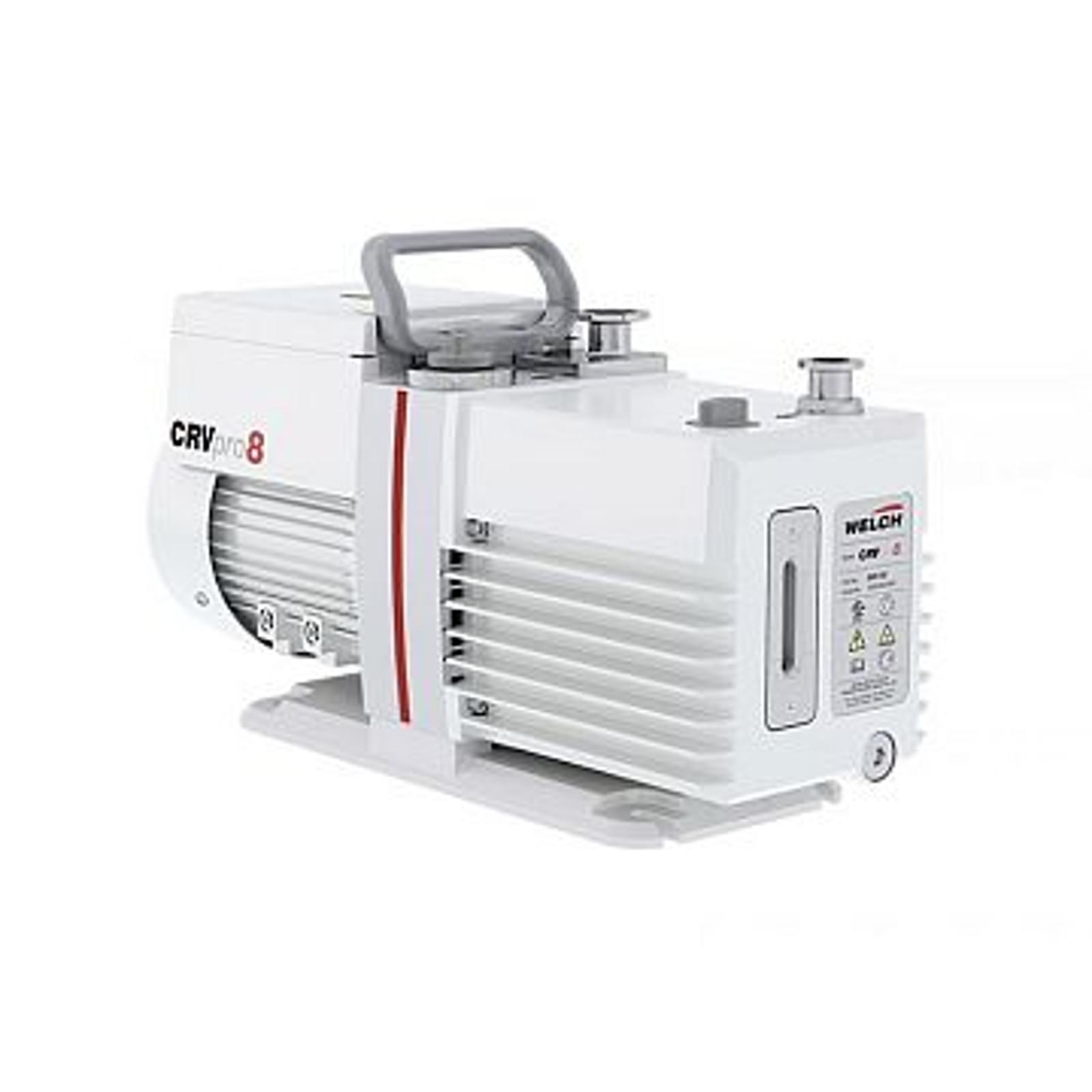
Leak detection relies on observing how a system behaves once a vacuum has been created. With the help of a Welch pump, the chamber is evacuated and isolated. If vacuum performance decreases over time, this indicates the presence of a leak or internal outgassing.
Perform Visual & Mechanical Checks
Start by inspecting hoses, clamps, connectors, seals, and flanges. Look for cracks, brittleness, deformation, or poor clamp contact. Even small mechanical imperfections can introduce leaks.
Use Pump Down or Pressure Rise Testing
- Pressure rise test: Pump the chamber down, isolate it, and monitor the pressure increase over time. A rising pressure profile indicates a leak or internal outgassing.
- Pump down comparison: Compare your actual pump down curve to the expected one. Poor performance often indicates leakage or restricted flow.
Confirm With a Vacuum Leak Detector
A vacuum leak detector, commonly a helium mass spectrometer detector, is the most accurate tool for identifying very small leaks.
To accurately confirm the presence of a vacuum leak, the system must first reach a stable vacuum level. This is where Welch vacuum pumps play a critical role: they create the controlled low-pressure environment required for reliable leak checks. Once the pump establishes the correct vacuum, any leak detection method used on the system, whether basic pressure rise testing or an external helium based test, can operate effectively and provide meaningful results.
Accuracy and Expectations During Leak Checks
The accuracy of any leak check depends on how well the system holds the vacuum created. A properly functioning Welch pump ensures:
- Fast and consistent pump down
- A stable base pressure
- Repeatable test conditions
This makes it easier to judge whether pressure changes are caused by real leaks or by other factors (e.g., contamination, outgassing, or insufficient evacuation).