Products
Vacuum Pumps
Vacuum Gauges and Controllers
Vacuum Pump Oils
Applications
Mass Spectrometry
Botanicals Processing
HVAC Pumps
Leak Detection
Rotary Evaporator
Vacuum Concentrator
Vacuum Manifold
Freeze Dryer
Vacuum Oven
Vacuum Filtration
Vacuum Distillation
Aspiration (Cell Culture)
Glove Box
Gel Dryer
Vacuum Measurement & Control
Pick & Place
Vacuum Workhholding
DEGASSING / DESSICATOR
Gas Analysis
Service
Maintenance Kits
FAQ
About Us
News
Careers
History
Our Values
Downloads
Global Presence

Before a refrigeration or air conditioning system can be charged with refrigerant, air and moisture must be removed from the system. HVAC vacuum pumps are designed for this evacuation process and are used across a wide range of refrigeration and cooling applications. This guide explains how HVAC vacuum pumps work, what to consider when selecting one, and which Welch solutions are available for different system requirements.

Why HVAC Vacuum Pumps Are Essential for Refrigeration Systems

HVAC vacuum pumps play an important role in the installation and maintenance of refrigeration and air conditioning systems. During service procedures, a vacuum pump is used to remove air, moisture, and other non-condensable gases from refrigerant lines before the system is recharged with refrigerant.

Moisture and trapped gases can affect system performance and may contribute to operational issues. Creating a deep vacuum helps prepare the system for reliable operation after maintenance or repair.

Welch HVAC vacuum pumps are designed for refrigeration systems, industrial and commercial chillers, rooftop units (RTUs), cold storage applications, and other HVAC service environments. The product portfolio includes rotary vane vacuum pumps developed to support deep vacuum requirements and moisture removal during evacuation processes.

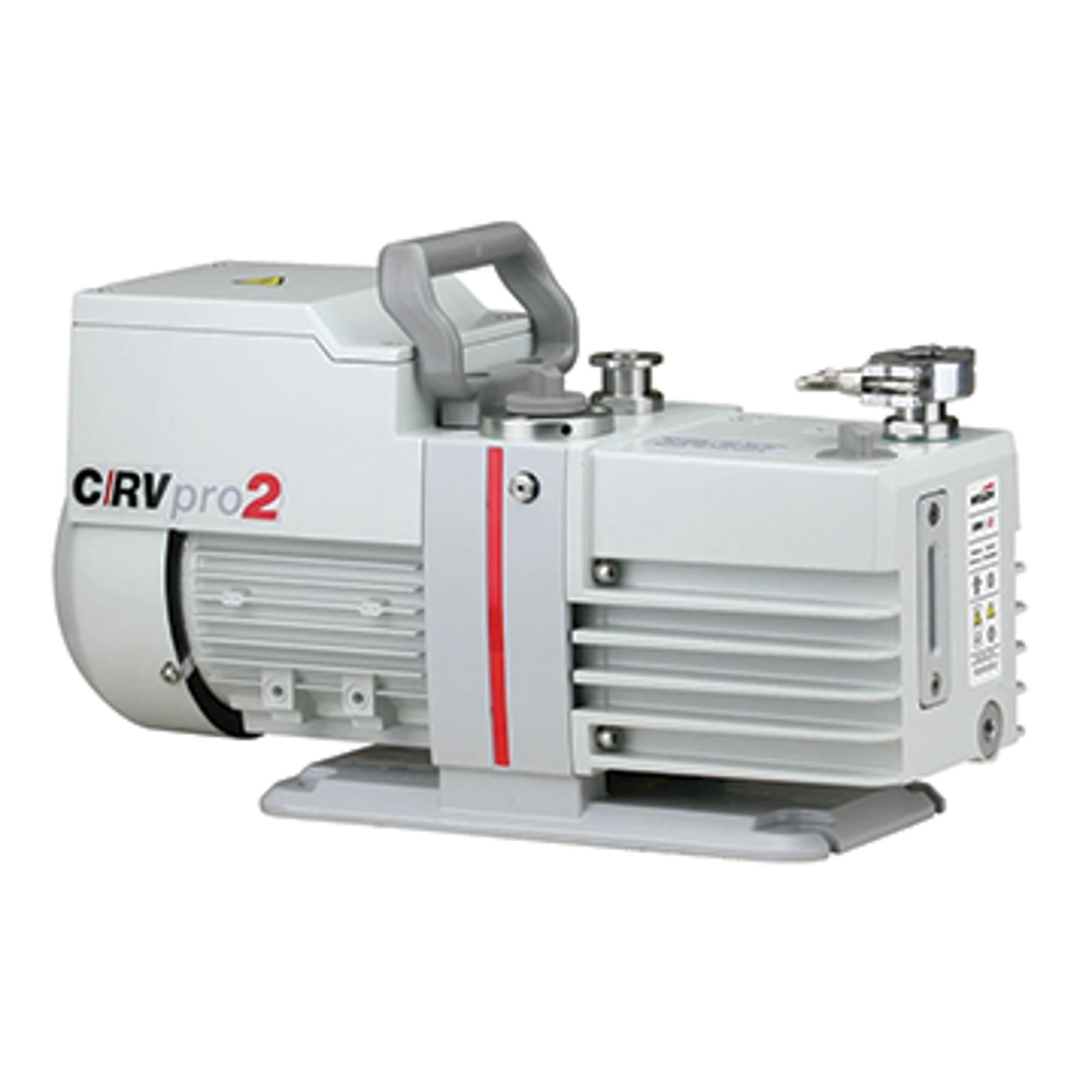
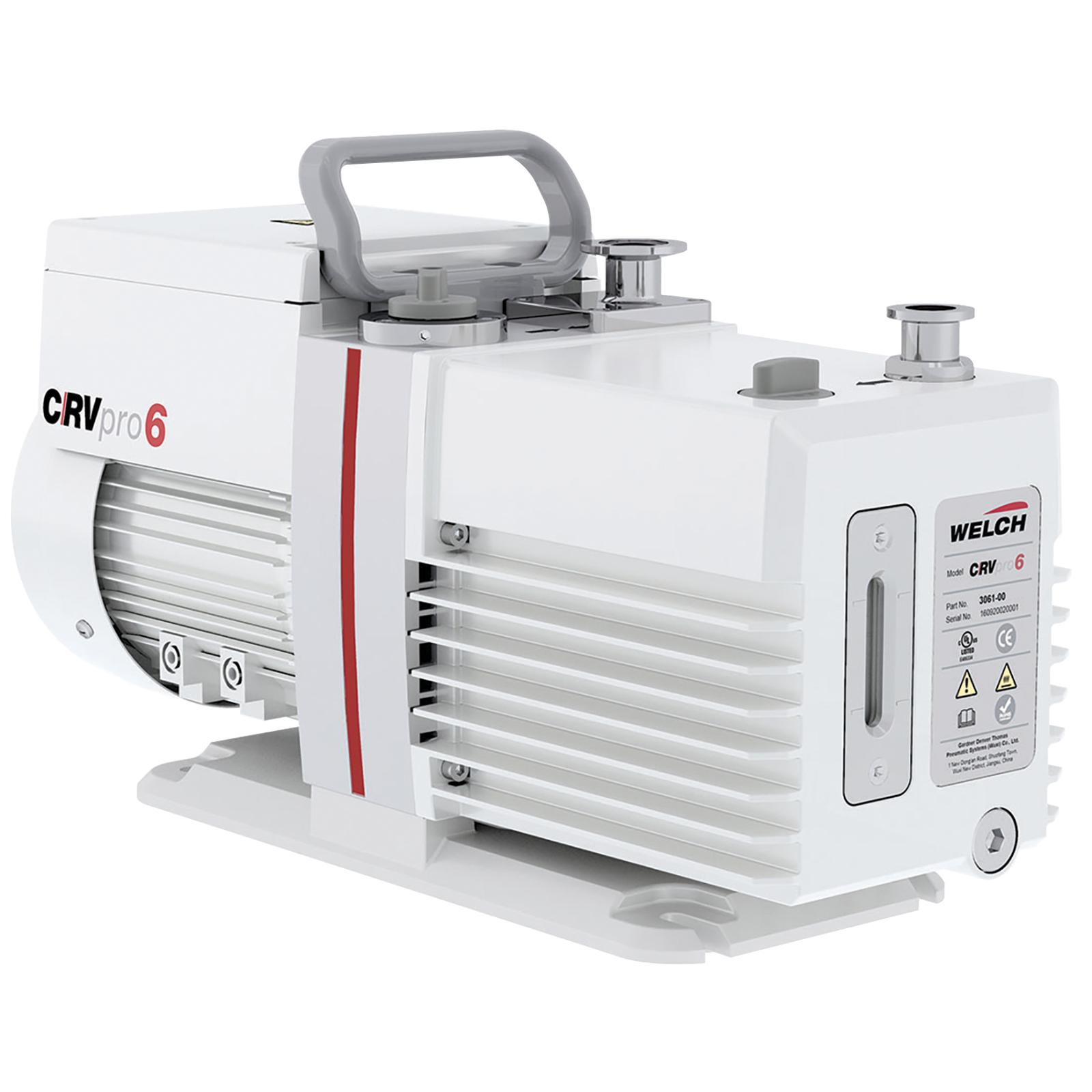
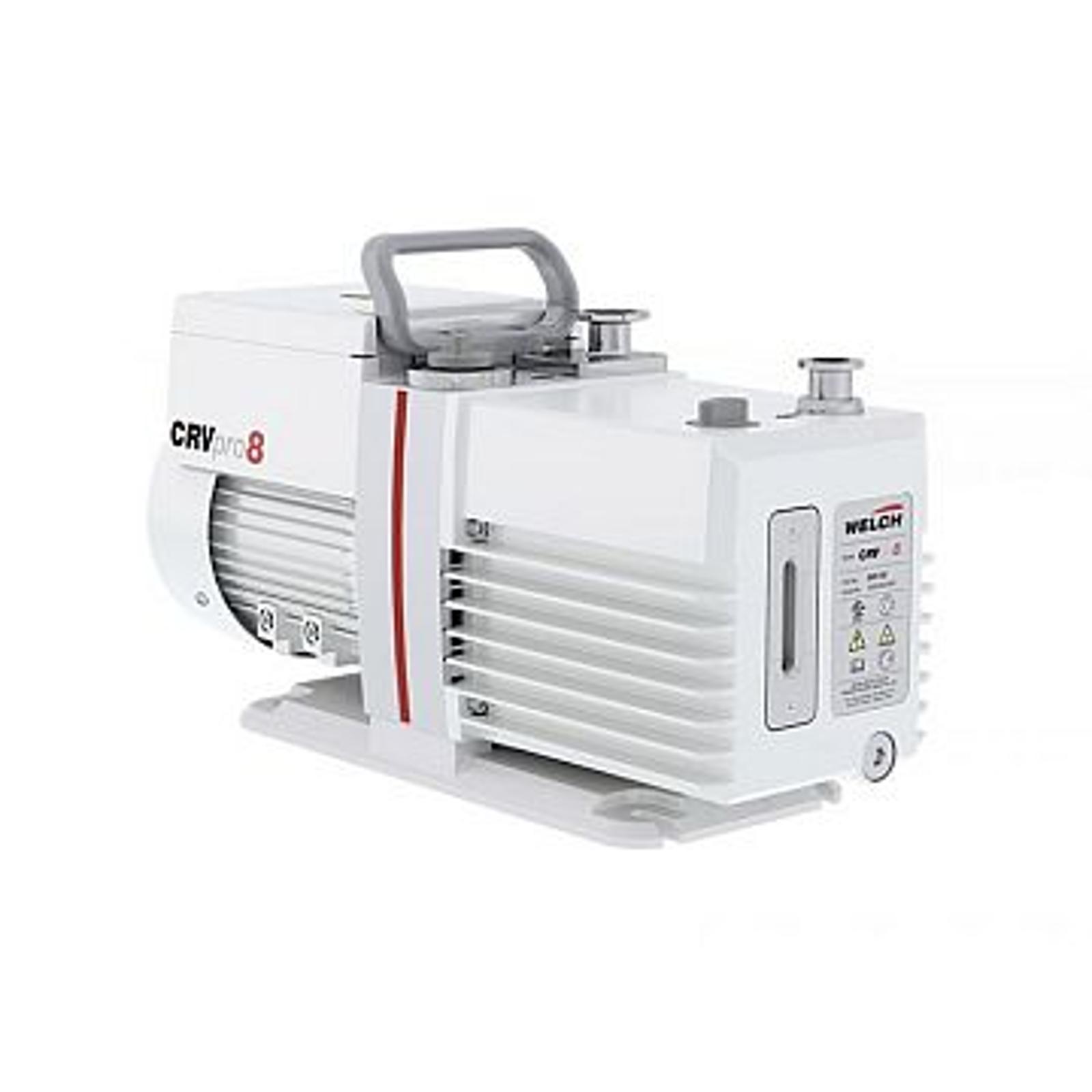
Welch Rotary vane pumps systems

What Is an HVAC Vacuum Pump?

An HVAC vacuum pump is a vacuum pump used during the installation, maintenance, and repair of heating, ventilation, air conditioning, and refrigeration systems. Its primary function is to remove air, water vapor, and other contaminants from refrigerant lines before the system is charged with refrigerant.

Vacuum pumps used in HVAC applications are often referred to as refrigeration vacuum pumps because they support refrigeration and cooling system service procedures. Achieving a deep vacuum helps ensure that moisture and non-condensable gases have been removed from the system before it returns to operation.

HVAC System Evacuation and Refrigeration Applications

Why Evacuation Is Important

System evacuation is the process of removing gases and moisture from refrigeration or HVAC systems before refrigerant is introduced. Water vapor, residual air, and contaminants can remain inside piping and components after installation or repair work.

An evacuation pump is used to lower pressure within the system and help remove these unwanted substances. Deep vacuum levels are often required because moisture can be difficult to remove completely from refrigeration systems.

Applications for HVAC and Refrigeration Systems

Application requirements may vary depending on system size, operating conditions, and moisture load. Some systems require extended pump-down times, while others demand high water vapor handling capability or continuous-duty operation.

HVAC vacuum pumps are used across a wide range of refrigeration and cooling applications, including:

  • Industrial and commercial chillers
  • Cold storage systems
  • Rooftop units (RTUs)
  • Ammonia refrigeration systems
  • Lithium bromide absorption chillers
  • General refrigeration systems

How to Choose the Best Vacuum Pump for HVAC Applications

Selecting the best vacuum pump for HVAC applications depends on the requirements of the refrigeration system and the service task being performed.

Application 

Pump Requirements 

Cold Storage Systems 

• Handles long pump‑down times effectively
• Handles high water vapor loads
• Draws a very deep vacuum 

Industrial & Commercial Chillers 

• Draws a very deep vacuum
• Handles high water vapor loads
• Heavy‑duty design for continuous industrial operation 

Rooftop Units (RTU) 

• Portable and powerful design
• Draws a very deep vacuum
• Large oil reservoir to dilute contaminants 

Lithium Bromide Absorption Chillers 

• Handles harsh salt‑laden water vapor
• Withstands accidental ingestion of salt solution
• Recirculates clean fraction of vacuum pump oil 

Ammonia Refrigeration Systems 

• Compatible seals and gaskets for ammonia refrigerant
• Handles high moisture and vapor loads
• Designed for deep vacuum and reliable dehydration 

Pump Capacity and Evacuation Speed

Pump capacity can influence how quickly a system reaches the desired vacuum level. Larger refrigeration systems and chillers often require higher-capacity pumps to support efficient evacuation.

Ultimate Vacuum Level

Deep vacuum capability is an important factor when choosing a vacuum pump for a refrigeration system. The ability to achieve low pressure levels supports effective dehydration and evacuation processes.

Water Vapor Handling

HVAC and refrigeration systems can contain significant amounts of moisture. A good vacuum pump for HVAC service should be capable of handling water vapor loads that may be encountered during evacuation. Features such as gas ballast operation can help support moisture removal.

Maintenance Considerations

Service professionals may also evaluate factors such as oil reservoir size, maintenance requirements, portability, and operating conditions. The appropriate choice depends on both the application and the frequency of use.


Welch HVAC Vacuum Pumps for Refrigeration Systems

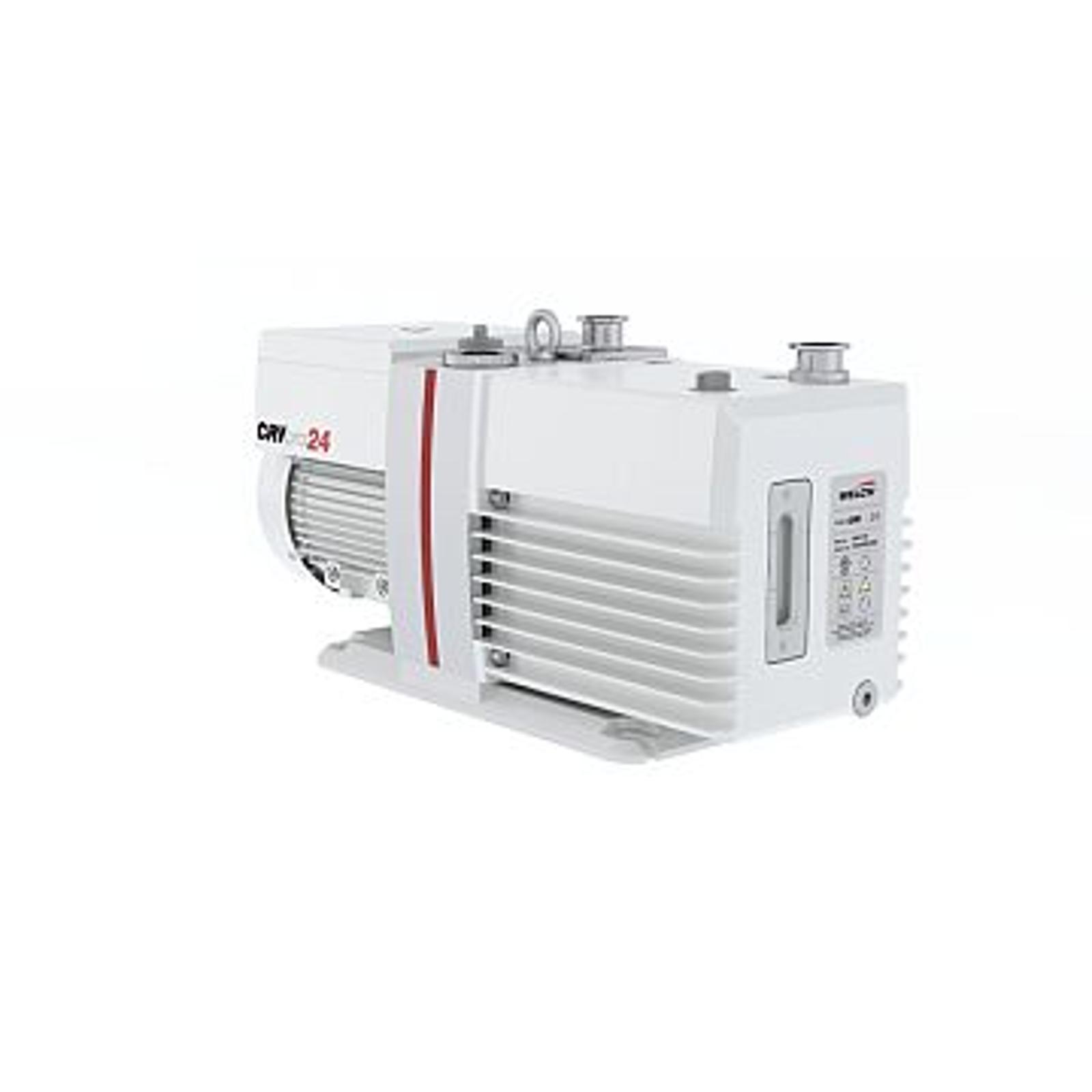
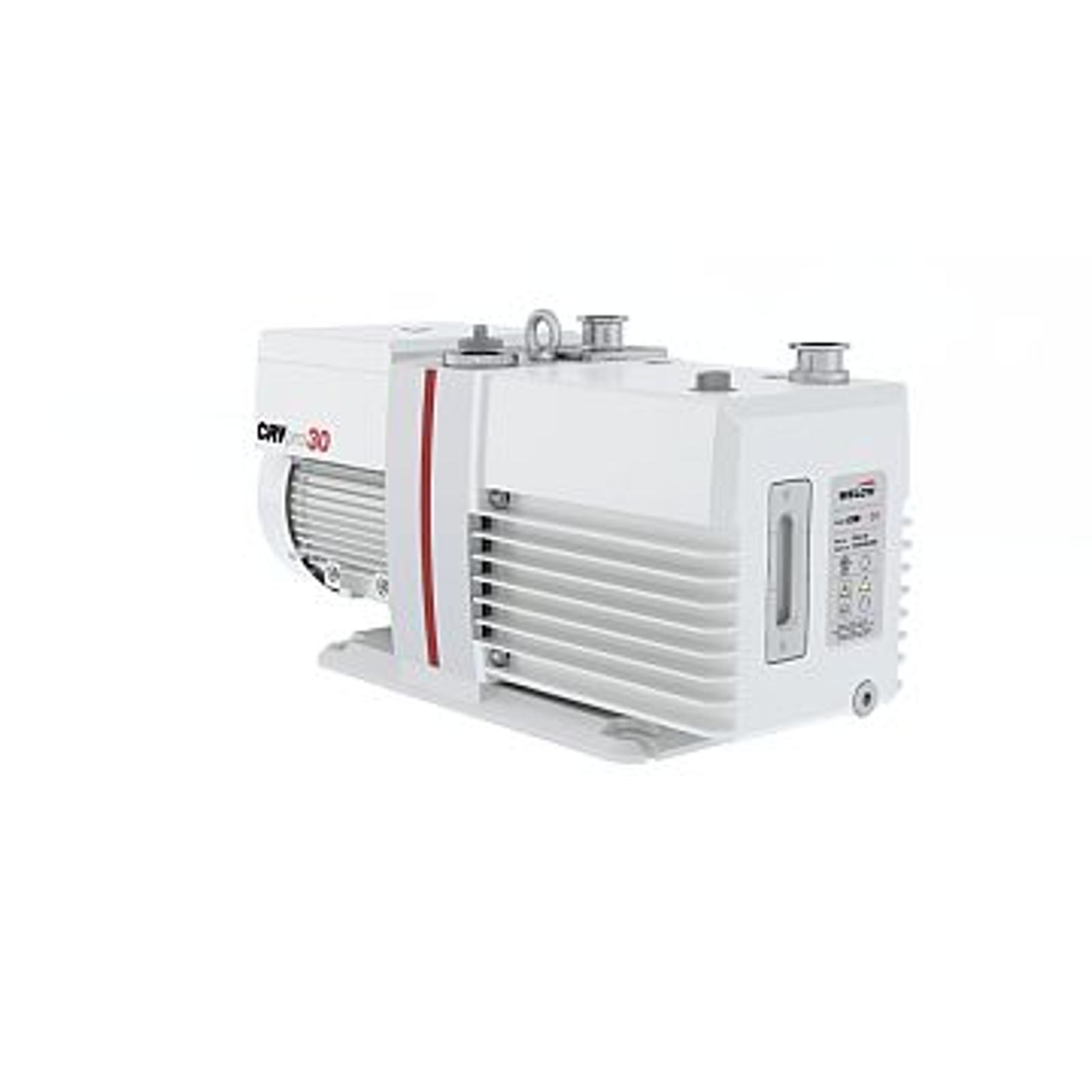
Welch offers HVAC vacuum pumps designed for refrigeration service applications and system evacuation procedures. The portfolio includes CRVpro rotary vane vacuum pumps that combine portability with vacuum performance for HVAC and refrigeration applications.

CRVpro pumps are used in applications where high flow rates, deep vacuum capability, and a compact footprint are important considerations. According to Welch, these pumps are designed to support fast evacuation and dehydration of refrigeration and air conditioning systems.

Need Help Choosing an HVAC Vacuum Pump?

Whether you're comparing pump options, looking for a recommendation, or ready to request a quote, our team can help you find the right solution for your HVAC application.

Download our brochure that assists you in selecting the right pump for your HVAC/Refrigeration service application. 

Welch Rotary vane pumps systems

HVAC Vacuum Pump Selection Guide

When selecting a vacuum pump for HVAC or refrigeration service, consider:

  • The size of the refrigeration system
  • Required evacuation time
  • Target vacuum level
  • Expected moisture load
  • Portability requirements
  • Maintenance preferences
  • Type of refrigerant system being serviced

Large chillers, cold storage systems, rooftop units, and ammonia refrigeration systems may have different evacuation requirements. Matching pump performance to the application can help support efficient service procedures and maintenance workflows.

Questions About HVAC Vacuum Pumps?

Not sure which pump is right for your application? Contact our team for expert guidance, product recommendations, or a quote tailored to your requirements.

HVAC Vacuum Pump FAQs

A vacuum in an HVAC system refers to a condition where air, moisture, and other gases have been removed from the refrigerant circuit, creating pressure levels below atmospheric pressure. Vacuum conditions are created during system evacuation before refrigerant charging.