
Products
Vacuum Pumps
Belt Driven PumpsDuoSeal 1374DuoSeal 1376DuoSeal 1380DuoSeal 1397DuoSeal 1399DuoSeal 1400DuoSeal 1402DuoSeal 1405DuoSeal 1400W-01DuoSeal 1402W-01DuoSeal 1405W-01ChemStar 1400N-90ChemStar 1402N-90ChemStar 1376NChemStar 1400NChemStar 1402NCapture CRRBelt Kit 1397ABelt Kit 1399ABelt Kit 1400ABelt Kit 1405AMajor Repair Kit 1373K-06Major Repair Kit 1376K-06Major Repair Kit 1376K-10Major Repair Kit 1380K-04Major Repair Kit 1397K-08Major Repair Kit 1399K-04Major Repair Kit 1400K-04Major Repair Kit 1400K-10Major Repair Kit 1402K-06Major Repair Kit 1402K-10Major Repair Kit 1402K-47Minor Repair Kit 1373K-05Minor Repair Kit 1376K-05Minor Repair Kit 1376K-09Minor Repair Kit 1376K-46Minor Repair Kit 1397K-07Minor Repair Kit 1380K-03Minor Repair Kit 1399K-03Minor Repair Kit 1400K-03Minor Repair Kit 1400K-09Minor Repair Kit 1402K-05Minor Repair Kit 1402K-09Minor Repair Kit 1402K-46Seal Kit 1401EDuoSeal Oil
welch-logo.png

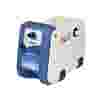
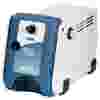
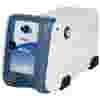
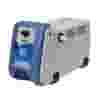
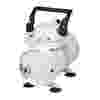
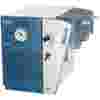
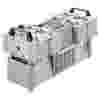
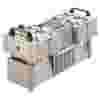
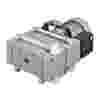
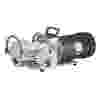
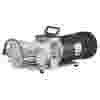
A diaphragm vacuum pump serves as a pivotal solution for generating vacuum without oil, catering to diverse medical, lab, and industrial applications. Welch presents a comprehensive portfolio, featuring standard pumps, specialized chemistry pumps, and laboratory vacuum systems. Engineered to meet the exacting demands of these industries, each pump type guarantees efficiency, reliability, and the benefits of clean, low-maintenance, oil-free operation. Explore the Welch diaphragm vacuum pump range and experience vacuum technology innovation firsthand – ultimate vacuum from 75 to 150 mbar and peak flow rates up to 8.3 m³/h (4.87 CFM).

What is a Diaphragm Vacuum Pump?

A diaphragm vacuum pump is an innovative solution that generates vacuum without requiring oil. This advanced technology operates by harnessing the oscillations of a flexible diaphragm, which in turn creates fluctuations in pressure, ultimately inducing a vacuum. As the diaphragm flexes, it cyclically alters the volume within the pump chamber, expelling air molecules and creating a vacuum environment. Welch specializes in the development of diaphragm pumps renowned for their efficiency, reliability, and eco-friendliness.

Welch offers diaphragm pumps suitable for a variety of applications. The different types of diaphragm pumps available are:

  • Standard Duty Diaphragm – Ideal for general laboratory tasks, these pumps offer reliable vacuum performance, supporting sample preparation and solvent filtration.
  • Chemical Duty Diaphragm – Designed for chemical processes, these pumps preserve sensitive substances. They are vital in chemical industries and quality control.
  • Laboratory Vacuum Systems – Comprehensive integrated solutions for laboratory vacuum needs, covering rotary evaporation, gel drying and more. LVS systems can achieve slightly deeper vacuum levels, often around 20 to 70 mbar.

Where Are Diaphragm Vacuum Pumps Required?

Diaphragm vacuum pumps have found their niche across a wide spectrum of industries, providing versatile and dependable vacuum solutions. They are vital in:


  • Laboratory Excellence:
    • Analytical Instruments: Diaphragm pumps support analytical instruments like gas chromatography and mass spectrometry, ensuring accurate sample analysis.
    • Research and Experimentation: Researchers rely on them for filtration, degassing, and precise experimental setups.
  • Pharmaceutical Precision:
    • Botanical Extracts: Diaphragm pumps facilitate botanical extractions, separating compounds for high-quality medicinal extracts.
    • Pharmaceutical Production: They contribute to pharmaceutical manufacturing, ensuring purity and quality throughout production.
  • Industrial Efficiency:
    • Chemical Processes: Employed in the chemical industry for solvent recovery, enhancing resource efficiency.
    • Process Industries: Used in food, cosmetics, and textiles, ensuring reliable vacuum conditions for efficient production.
  • Biotechnology Advancements: In bioprocessing, diaphragm pumps support bioreactors, cultivating cells for biopharmaceuticals and vaccines.
  • Environmental Insight: Essential in environmental analysis, aiding accurate measurement of pollutants and contaminants.
  • Manufacturing Precision: They contribute to precision manufacturing processes, like solder paste printing.
  • Automotive Engineering: Used for inflating airbags during manufacturing, showcasing efficient vacuum generation.


What Are the Advantages of a Diaphragm Vacuum Pump? How Does An Oil-Free Operation Benefit Users?

The advantages of diaphragm vacuum pumps extend beyond traditional vacuum solutions. Welch's pumps are engineered for oil-free operation, eliminating the risk of oil contamination in vacuum processes. This feature is especially critical in industries where product purity is paramount.

Welch's diaphragm vacuum pumps operate completely without oil, offering several user benefits:

  • Clean Operation (Oil-Free): Diaphragm pumps create a contamination-free vacuum environment by operating without oil, ensuring uncontaminated samples and eliminating the risk of oil back-streaming.
  • Low Cost of Ownership: The absence of oil reduces maintenance requirements significantly, leading to cost savings and increased uptime.
  • High Reliability: Welch's precision engineering guarantees consistent and reliable pump performance, meeting the demanding requirements of modern industries.
  • Dry Vacuum: Diaphragm pumps create a dry vacuum, contributing to a cleaner workplace and environment by preventing oil emissions and associated hazards.
  • Enhanced Sample Integrity: Uncontaminated pumping of gases ensures cleaner samples, making diaphragm pumps a suitable choice for applications requiring high sample integrity.

How Does a Diaphragm Vacuum Pump Work?

The core of a diaphragm vacuum pump's operation lies in the rhythmic movement of its diaphragm. This diaphragm, typically composed of a flexible material, acts as a barrier between the vacuum chamber and the external environment. As the diaphragm flexes, it creates changes in volume within the chamber, leading to alternating cycles of compression and expansion. During compression, air is expelled from the chamber, creating a region of lower pressure. This pressure difference facilitates the movement of gases from an area of higher pressure to the low-pressure region, effectively creating a vacuum. Welch's expertise in diaphragm pump technology ensures optimized diaphragm design, enabling precise and efficient vacuum generation.

Are Diaphragm Vacuum Pumps Suitable for Corrosive or Aggressive Gases?

Diaphragm vacuum pumps can handle a variety of gases, including mildly corrosive ones, due to their chemically resistant materials. However, when dealing with highly corrosive or aggressive gases:

  • Opt for pumps with PTFE diaphragms and seals for enhanced chemical resistance.
  • Ensure proper ventilation and exhaust management to prevent harmful gas release.
  • Regularly inspect and maintain the pump's components, replacing any damaged parts promptly.

  • Consult the manufacturer for specific guidance on handling corrosive gases and follow their recommendations.

By taking these precautions, diaphragm vacuum pumps can effectively handle corrosive gases while maintaining performance and safety.

FAQs

Single-stage pumps offer faster flow but lower vacuum. Dual-stage pumps achieve deeper vacuum levels by using two diaphragms in series where an intake stage of the first diaphragm is connected to the exhaust stage of the second diaphragm.