
Vacuum workholding (or vacuum chucking) is used in a wide range of applications to hold an item in place while an operation is performed. Vacuum is applied to a surface with a number of holes in it. When the item is placed on the surface, the vacuum holds it in place. A high flow rate is required for this application as the item may not cover all of the holes in the surface.

REACH OUT TO US
What Is Vacuum Workholding?
Vacuum workholding uses negative pressure to hold a workpiece flat against a fixture or table. A vacuum pump removes air from beneath the part, creating a pressure differential that presses the part firmly into place. This method is especially effective for non-ferrous materials, composites, plastics, and thin metals that are prone to bending or marring under mechanical clamping.
Welch Vacuum systems are designed to integrate easily into CNC machines, routers, and inspection setups. Their pumps and accessories support consistent hold force, fast cycle times, and low maintenance.
When to Use It
Vacuum workholding is ideal when:
Parts are too thin or flexible for mechanical clamps
Surface finish must remain untouched
Quick changeover between parts is needed
Machining requires full access to the top surface
High repeatability is required for inspection or engraving
Industries using vacuum workholding include aerospace, electronics, signage, medical devices, and precision tooling.
System Components
A typical vacuum workholding setup includes:
Vacuum pump: Generates the negative pressure. Welch offers oil-free and oil-sealed options depending on application needs.
Vacuum table or chuck: The surface that interfaces with the part. Often includes grooves or porous materials to distribute vacuum evenly.
Control valves and gauges: Regulate and monitor vacuum levels.
Filters and traps: Protect the pump from debris or fluids.
Welch’s modular systems allow customization for part size, material, and machining environment.
Advantages Over Mechanical Clamping
| Feature | Vacuum Workholding | Mechanical Clamping |
|---|---|---|
| Surface distortion | Minimal | Possible |
| Setup time | Fast | Slower |
| Part access | Full top surface | Obstructed |
| Automation | Easy to integrate | Complex |
| Delicate parts | Safe | Risk of damage |
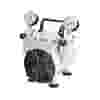
Wob L 2522
Flow Rate (m³/min)
1.29
Ult. Vacuum (mbar)
133.3
1.29
Ult. Vacuum (mbar)
133.3
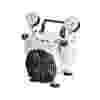
Piston Pump Wob L 2534
The piston pump 2534 is a reliable partner for physical applications and processes with vapors. Used in a variety of applications.
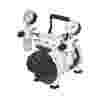
Piston Pump Wob L 2546
WOB-L 2546 dry piston pumps are a reliable for physical applications. Used for a variety of applications such as vacuum drying.

Piston Pump Wob L 2561
Flow Rate (m³/min)
3.91
Ult. Vacuum (mbar)
6.7
3.91
Ult. Vacuum (mbar)
6.7

Piston Pump Wob L 2567
Flow Rate (m³/min)
5.95
Ult. Vacuum (mbar)
80.0
5.95
Ult. Vacuum (mbar)
80.0
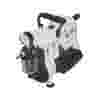
Piston Pump Wob L 2581
Flow Rate (m³/min)
5.95
Ult. Vacuum (mbar)
6.7
5.95
Ult. Vacuum (mbar)
6.7
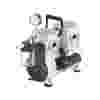
Piston Pump Wob L 2585
Flow Rate (m³/min)
12.06
Ult. Vacuum (mbar)
80.0
12.06
Ult. Vacuum (mbar)
80.0
FAQs
Not effectively. Porous materials allow air to pass through, reducing vacuum pressure. Surface coatings or backing plates may help.