
welch-logo.png

Vacuum distillation is the process of separating a mixture of liquids by evaporation and condensation. This is normally performed by heating the liquid until boiling occurs, indicating that the vapor pressure of the liquid has exceeded the ambient pressure.

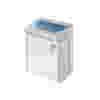
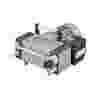
However, heat can damage the structure of temperature-sensitive substances. In such cases, vacuum distillation is preferred, in which a vacuum pump is used to significantly reduce the boiling point of the liquid. A chemical duty diaphragm pump is recommended for this method.
Why Use Vacuum Distillation?

Standard distillation relies on high temperatures to separate components. But many substances degrade or react under heat. Vacuum distillation solves this by operating under reduced pressure, allowing separation at lower temperatures. This protects product integrity, improves yield, and reduces energy consumption. 

Welch Vacuum systems are designed to support these processes with reliable, oil-free pumps that maintain consistent vacuum levels. Their chemical-resistant construction and modular configurations make them suitable for both lab-scale and industrial setups. 

Applications

Vacuum distillation is used across industries: 

  • Pharmaceuticals: Purifying active ingredients without thermal degradation. 

  • Petrochemicals: Separating heavy oils and residues. 

  • Fine Chemicals: Isolating temperature-sensitive intermediates. 

  • Food & Flavor: Concentrating extracts without altering taste profiles. 

Welch’s vacuum pumps are optimized for these tasks, offering corrosion resistance, low maintenance, and precise control. 

System Components

A typical vacuum distillation setup includes: 

  • Vacuum Pump: Welch offers diaphragm and hybrid pumps tailored for chemical resistance and low ultimate pressure. 

  • Cold Trap: Protects the pump from vapors and condensates. 

  • Distillation Glassware: Designed to withstand vacuum conditions. 

  • Controller: Regulates pressure for consistent operation. 

Each component must be compatible with the chemical and thermal demands of the process. Welch’s application specialists can help configure systems based on throughput, solvent type, and temperature range. 

Performance Considerations

  • Boiling Point Reduction: At 100 mbar, water boils at ~50°C instead of 100°C. 

  • Pump Selection: Diaphragm pumps are ideal for solvents; hybrid pumps offer deeper vacuum for heavier compounds. 

  • Material Compatibility: PTFE and corrosion-resistant alloys extend system life. 

  • Flow Rate & Ultimate Pressure: Match pump specs to process requirements to avoid bottlenecks. 

FAQs

Most processes operate between 1–100 mbar, depending on the compound’s volatility and thermal sensitivity.