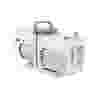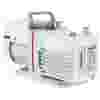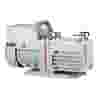

Products
Vacuum Pump Oils
Vacuum Pump OilsHigh Vacuum Grease (100g)Gold Vacuum Oil (1 Liter)Gold Vacuum Oil (3,7 liter)Gold Oil (18,9 liter)Premium Vacuum Oil (1 Liter)Premium Vacuum Oil (5 Liter)Premium Vacuum Oil (10 liter)Premium Vacuum Oil (20 liter) Premium Vacuum Oil (200 liter) Labovac 10 (1 liter)Labovac 10 Mineral Oil (5 liter) Labovac 10 Mineral Oil (10 liter)Labovac 10 Mineral Oil (20 liter) Labovac 10 Rotary Vane Pump Oil 200LLabovac 11 Rotary Synthetic Oil (1 Liter) Labovac 11 Synthetic Oil (10 liter)Labovac 11 Synthetic Oil (20 Liter)Labovac 12S Mineral Oil (1 liter)Labovac 12S Mineral Oil (10 liter)Labovac 12S Mineral Oil (20 liter)Labovac 13 PFPE Oil (1 liter)Labovac 13 PFPE Oil (5 Liter)Labovac 13 PFPE Oil (10 liter)Labovac 14 PAO Oil (1 liter)Labovac 14 PAO Oil (2 liter)Labovac 14 PAO Oil (5 liter)Labovac 14 PAO Oil (10 liter)
welch-logo.png

Use of Vacuum Pumps in Botanicals Processing Workflow

The typical THC/CBD extraction workflow consists of several steps. These steps typically include

  • Extraction
  • Winterization
  • Concentration
  • Distillation

For the Extraction step, solvents such as Butane, Ethanol or supercritical CO2 are used to extract CBD/THC from Cannabis. During Winterization, the cooled extract is filtered in a vacuum, before the solvents will be removed again during the concentration step in a rotary evaporator and later in a vacuum oven. In the last step, the terpenes are separated from THC/CBD via distillation (including Short Path, Fractional, and Wiped Film). Vacuum pumps are used to lower the boiling point of the Terpenes, THC and CBD as well as remove any oxygen to inhibit degradation and thermal decomposition.
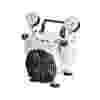

Welch Vacuum Pumps for Botanicals Processing

Welch offers lab vacuum pumps for all four steps of Botanical extraction.

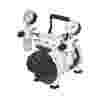
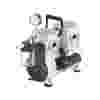
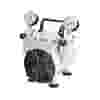
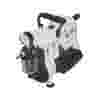
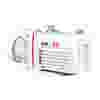
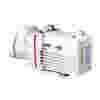
Welch Pumps used in botanicals processing include: WOB-L® piston pumps such as the 2546B-01, Chemical Resistant low vacuum diaphragm pumps such as the 2052B-01, and oil sealed rotary vane pumps such as the CRVpro or DuoSeal product families.

FAQs

Typically between 1–10 mbar, depending on the boiling point of the target compounds and solvent used.